
Comment fonctionne le Japon
This page is also available in English.Read in English →
このページは日本語でも読めます。日本語で読む →
이 페이지는 한국어로도 읽을 수 있습니다.한국어로 읽기 →
這個頁面也有繁體中文版。閱讀繁體中文版 →
这个页面也有简体中文版。阅读简体中文版 →
หน้านี้มีภาษาไทยด้วยอ่านภาษาไทย →
Trang này cũng có bản tiếng Việt.Đọc bằng tiếng Việt →
Halaman ini juga tersedia dalam Bahasa Indonesia.Baca dalam Bahasa Indonesia →
Diese Seite gibt es auch auf Deutsch.Auf Deutsch lesen →
Esta página también está disponible en español.Leer en español →
Questa pagina è disponibile anche in italiano.Leggi in italiano →
La côte de la mer du Japon, restée à l'écart du versant ensoleillé, a gardé intact le Japon le plus ancien : un sanctuaire plus vieux que les capitales, où les dieux se rassemblent encore, l'un des douze donjons d'origine du pays, une mine d'argent dont la montagne a gardé sa forêt, et des couchers de soleil classés parmi les cent plus beaux du Japon. À parcourir tranquillement d'est en ouest, des grandes dunes jusqu'à Izumo et au soleil couchant.
Dernière vérification : 2026-07-02
À qui ce plan convient
The sunsets and the shrines draw all year; the myriad gods are said to gather at Izumo in the tenth lunar month (late autumn), the coast's busiest season, and Sea-of-Japan winters are grey with some snow — part of the mood rather than a reason to stay away.
Il existe deux vieux mots pour désigner les deux versants de l'ouest du Japon. Le sud animé, Hiroshima, Okayama, le couloir du Shinkansen, c'est le San-yō, « le versant ensoleillé des montagnes ». Cette côte-ci, celle qui longe la mer du Japon, c'est le San-in : « le versant à l'ombre ». Face au San-in, le premier réflexe est souvent de hausser un peu les épaules : aucun Shinkansen ne l'atteint, le ciel y est plus gris, les villes s'espacent, et rien ici ne figure sur la liste classique d'un premier voyage. Attendez un peu avant de trancher : ici, l'ombre a surtout permis de conserver. Tandis que le versant ensoleillé se reconstruisait, se hâtait et se modernisait, le versant à l'ombre n'a jamais démoli ce qu'il avait de plus ancien. Cette côte abrite donc encore un sanctuaire plus ancien que les premières capitales du Japon, là où l'on dit que les dieux se rassemblent chaque année ; l'un des douze donjons d'origine encore debout au Japon, le seul de toute cette côte ; les mythes fondateurs du Japon, situés sur des plages et des rivières où l'on peut aller ; et une mine d'argent qui date de l'époque où le Japon produisait un tiers de l'argent du monde, mais dont la montagne a gardé sa forêt : les arbres ont repoussé par-dessus les galeries. Ce qu'on en dit à la légère, « gris, loin, rien de célèbre », est justement ce qui plaît aux connaisseurs : on a sous les yeux le socle sur lequel le reste du pays s'est construit. Selon une tradition que j'aime beaucoup, tous les dieux du Japon quittent une fois par an le versant ensoleillé pour venir ici. Le dixième mois lunaire s'appelle presque partout Kannazuki, « le mois sans dieux », parce qu'ils sont tous partis pour Izumo, seule à nommer ce même mois Kamiarizuki, « le mois avec les dieux ». Le calendrier lui-même désigne donc Izumo comme la vraie demeure des dieux.
Le parcours est simple : on suit la côte tranquillement d'est en ouest, et le voyage gagne en intensité à chaque étape. Je le prévoirais sur quatre jours sans hâte : les grandes dunes de Tottori, Matsue, avec son château noir et son coucher de soleil sur le lac, le grand sanctuaire d'Izumo, et tout à l'ouest la vallée verdoyante de la mine d'argent d'Iwami Ginzan. On arrive par le Kansai à l'est et on repart vers Hiroshima à l'ouest : le trajet relie ainsi deux grands voyages au Japon sans finir en cul-de-sac. On peut ramener l'essentiel à deux jours ou l'étirer sur une semaine ; je vous indique ce qu'on peut retirer et ce qu'on peut ajouter. Avant de partir, il faut surtout accepter le rythme. Ici, tout va plus lentement : un train diesel à deux voitures sur la ligne côtière, des cartes à puce qui ne marchent pas partout, si bien qu'on revient sans cesse aux espèces et aux billets papier, et le dernier train-couchette du Japon, qui roule encore toute la nuit jusqu'à Izumo, la ville du sanctuaire des liens, et y arrive à l'heure du petit-déjeuner. Inutile de chercher à contourner cette lenteur : c'est elle qui donne sa couleur à toute la région. Si vous allez vite, vous n'en garderez qu'une excursion sous un ciel gris ; si vous prenez votre temps, vous aurez la lumière de l'aube, les marées et les couchers de soleil. Voici comment je me déplacerais, où je dormirais, et comment adapter le tout à vos propres dates.
Pour choisir où dormir dans le San-in, il suffit de suivre la côte : elle s'étire d'est en ouest, alors je changerais d'hébergement en avançant plutôt que de faire des allers-retours depuis un seul point de chute.
Une première nuit à Tottori vous permet d'être sur les dunes en fin de journée ou tôt le matin, avant l'arrivée des bus d'excursion ; à ces heures-là, le sable est bien plus calme. Ensuite, Matsue est l'étape centrale toute trouvée, et c'est là que je passerais deux nuits si je le pouvais. C'est la ville principale de la région, toutes les lignes s'y croisent, et elle suffit à remplir deux soirées du voyage : la ville-château le jour, le coucher de soleil sur le lac Shinji au crépuscule. Le sanctuaire d'Izumo, un peu plus à l'ouest, se rejoint facilement dans la journée. Si vous préférez un confort plus traditionnel, la ville thermale de Tamatsukuri, juste à la sortie de Matsue, est appelée « le bain des dieux » depuis plus de mille ans et remplace joliment un hôtel en ville.
Une nuit à Izumo, près du grand sanctuaire, est celle que je garderais à tout prix. Le sanctuaire est le plus calme tôt le matin et en fin de journée, car la foule arrive surtout vers midi. En logeant tout près, vous pouvez y arriver au calme dès l'aube, puis aller voir le coucher de soleil sur la mer du Japon à Hinomisaki sans surveiller l'heure du dernier bus pour Matsue. Vous serez aussi une étape plus à l'ouest, dans la direction du dernier jour. L'extrême ouest (Iwami Ginzan) est assez isolé : si vous ne voulez pas le visiter au pas de course, une nuit dans l'ancienne ville minière d'Ōmori ou dans le petit port de Yunotsu vous permet de parcourir la vallée dans le calme du matin, puis de prendre le bus vers l'ouest sans vous presser.
Sur les quatre étapes, seule Izumo a déjà un guide WMJS complet, avec un lien ; pour Tottori, Matsue et Iwami Ginzan, je me contente de les nommer, car leurs guides ne sont pas encore écrits.
Pour se déplacer dans le San-in, il faut d'abord savoir qu'aucun Shinkansen ne dessert cette côte. Les trains à grande vitesse circulent tous côté San-yō, le versant ensoleillé ; ici, les grands trajets se font en express limité ordinaire, et quitter le réseau à grande vitesse fait justement une bonne part du charme du voyage.
Deux de ces express limités sont à connaître. Le Yakumo traverse les montagnes depuis Okayama (desservie par le Shinkansen) jusqu'à Matsue et Izumo, et aujourd'hui, toutes ses places sont réservées : il n'y a plus de voitures sans réservation, il faut donc réserver une place avant de monter, même avec un pass (c'est gratuit avec un pass, mais obligatoire ; détails dans les encadrés). Le long de la côte circule un petit train diesel à deux voitures, peu fréquent (la ligne n'est même pas électrifiée) : mieux vaut consulter les horaires que se présenter à la gare au hasard.
Ici, la carte à puce ne suffit pas. Les cartes comme ICOCA et Suica ne fonctionnent que dans des zones séparées, autour de Tottori et sur le tronçon Yonago–Matsue–Izumo, et on ne peut pas voyager d'une zone à l'autre avec. Le milieu de la ligne côtière, le chemin de fer privé Ichibata vers Izumo Taisha et la plupart des bus locaux se font donc en espèces et en papier. Rien de compliqué : il suffit d'avoir des espèces sur soi et d'acheter parfois un billet en papier, ce qui évite d'être bloqué au portillon d'une petite gare de campagne. Pour un parcours côtier comme celui-ci, un pass régional pratique convient très bien (encadré), et il permet de réserver gratuitement les places du Yakumo.
Si vous aimez prendre votre temps, deux options valent le détour. Le Sunrise Izumo est le dernier train-couchette de nuit régulier du Japon : il quitte Tokyo le soir, se sépare à l'aube de son jumeau qui part vers Shikoku, et vous dépose à Izumo, la ville du sanctuaire des liens, à temps pour le petit-déjeuner : une belle entrée en matière. Et le petit train privé Ichibata longe si joliment la rive du lac Shinji, là où le soleil se couche, que le trajet jusqu'à Izumo est déjà une visite. Vous n'avez besoin de voiture pour rien de tout cela (elle ne servirait que pour monter vers le mont Daisen), et c'est en acceptant d'aller lentement qu'on commence vraiment à apprécier cette côte.
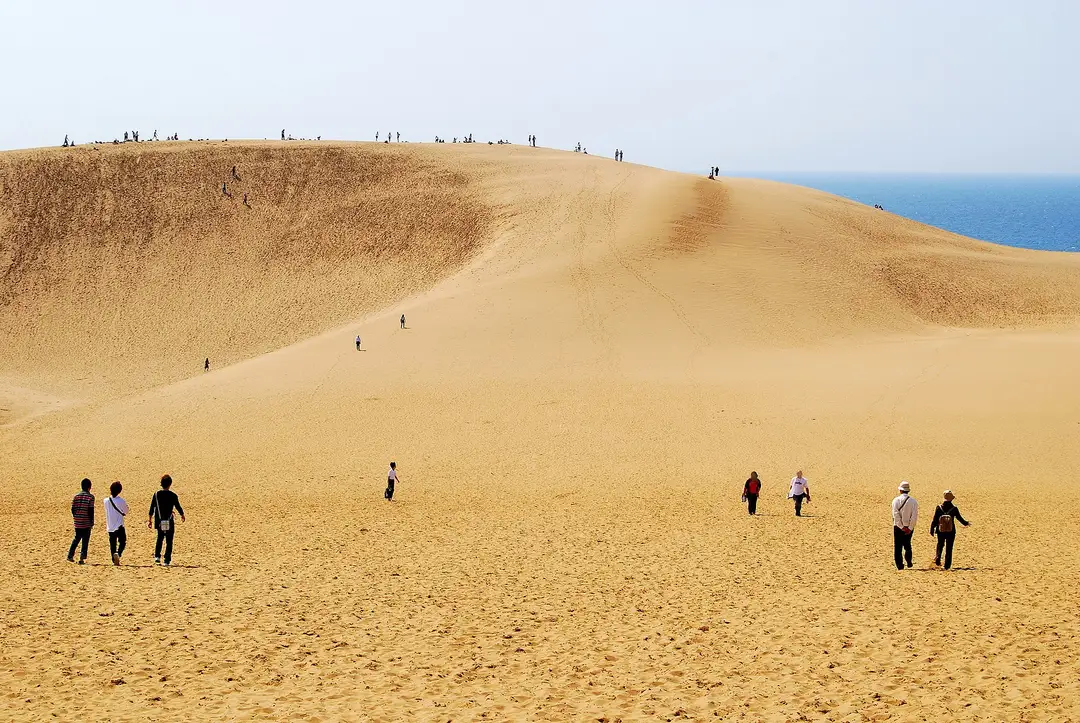
Je commencerais par l'extrémité est, la plus sauvage, parce que Tottori montre d'emblée ce qui caractérise toute cette côte : rien n'y est aménagé ni fini. Les dunes de sable de Tottori sont les plus vastes du Japon ouvertes au public : une grande étendue de sable accumulé par le vent, qui monte jusqu'à une crête au-dessus du bleu de la mer du Japon. Plus qu'une attraction aménagée, c'est le travail du vent depuis cent mille ans, et il continue : les rides et les crêtes changent chaque jour. Le musée voisin joue lui aussi sur l'éphémère : le Sand Museum tout proche est le seul au monde consacré à la sculpture sur sable, et chaque année ses œuvres de classe mondiale sont bâties sur un nouveau thème puis, la saison finie, redeviennent du sable : rien n'est conservé. À l'ouest, au-dessus de la plaine, on aperçoit souvent le cône presque parfait du mont Daisen, le « Fuji du Hōki », dont la grande forêt de hêtres a survécu précisément parce que la montagne était sacrée et qu'on n'y touchait pas. Dès le premier jour, on comprend l'esprit de cette côte : ce que le versant ensoleillé aurait aplani, le versant à l'ombre le laisse brut, inachevé ou tout simplement intact.
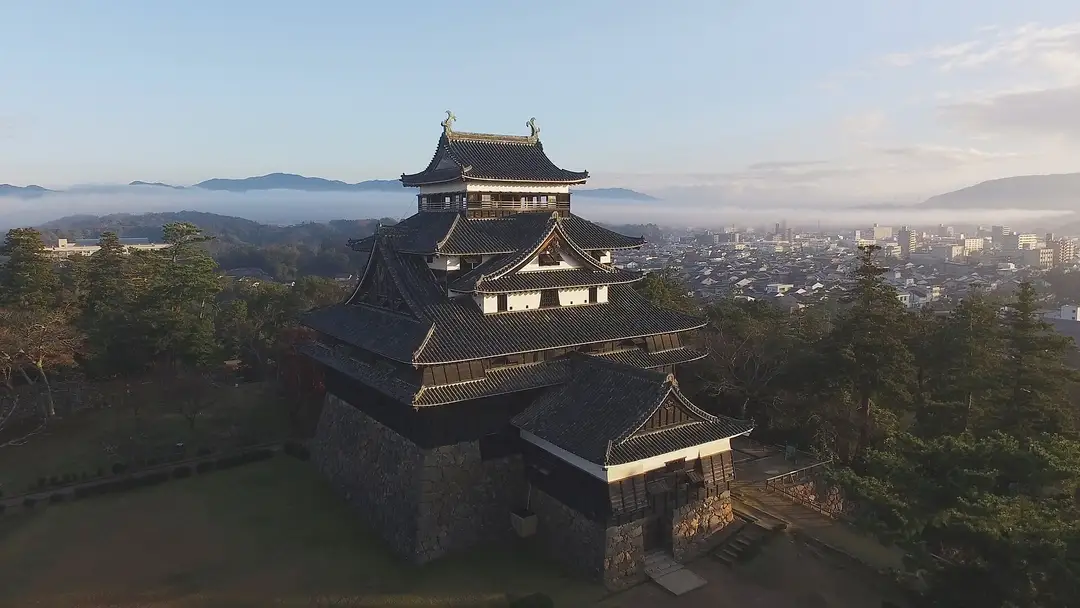
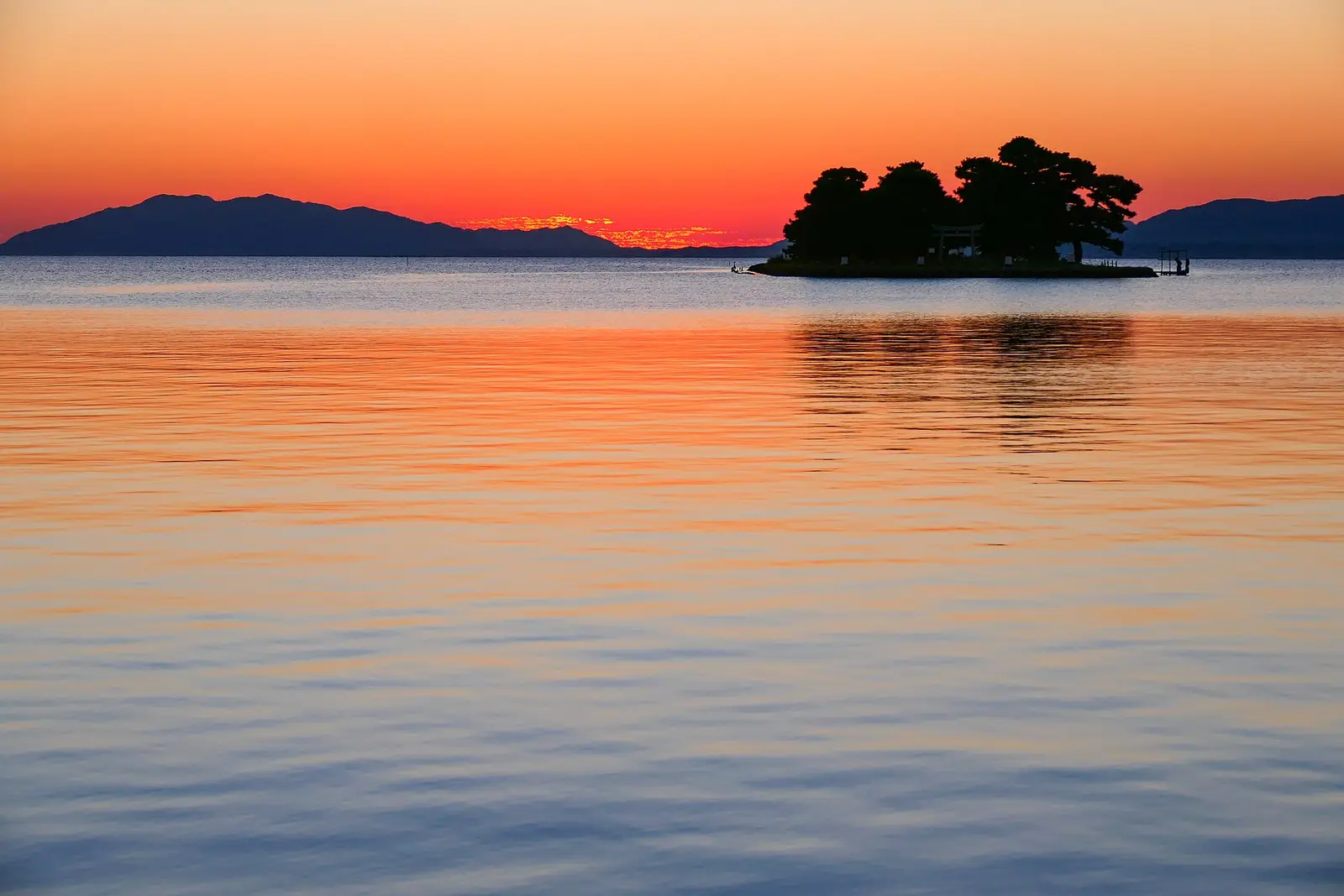
Cap à l'ouest vers Matsue, où l'esprit de la côte prend tout son sens : cette ville n'a jamais démoli son passé, et elle possède donc ce que presque aucune autre n'a gardé. Le Japon ne compte plus que douze donjons d'origine, debout depuis l'époque des samouraïs, qui n'ont jamais brûlé ni été reconstruits en béton, et le château de Matsue est le seul de toute cette côte. Ce donjon sombre et austère, surnommé le « château du Pluvier » parce que ses pignons noirs s'étendent comme les ailes d'un oiseau, domine une ville entourée de douves, dont les canaux vieux de quatre siècles traversent encore les rues modernes. Matsue a aussi retenu un homme : Lafcadio Hearn, l'un des tout premiers à faire connaître le Japon en Occident, préféra la province à Tokyo. Il arriva en 1890 sur cette côte « où il n'y a rien », épousa la fille d'une famille de samouraïs de la ville et y resta sous le nom de Koizumi Yakumo : un étranger que le versant à l'ombre a fini par adopter. La journée se termine au bord de l'eau, comme souvent dans le San-in : le coucher de soleil sur le lac Shinji est l'un des rares du pays à figurer sur la liste officielle des cent plus beaux du Japon, et le ciel s'embrase lentement derrière la silhouette noire d'un minuscule îlot planté de pins.
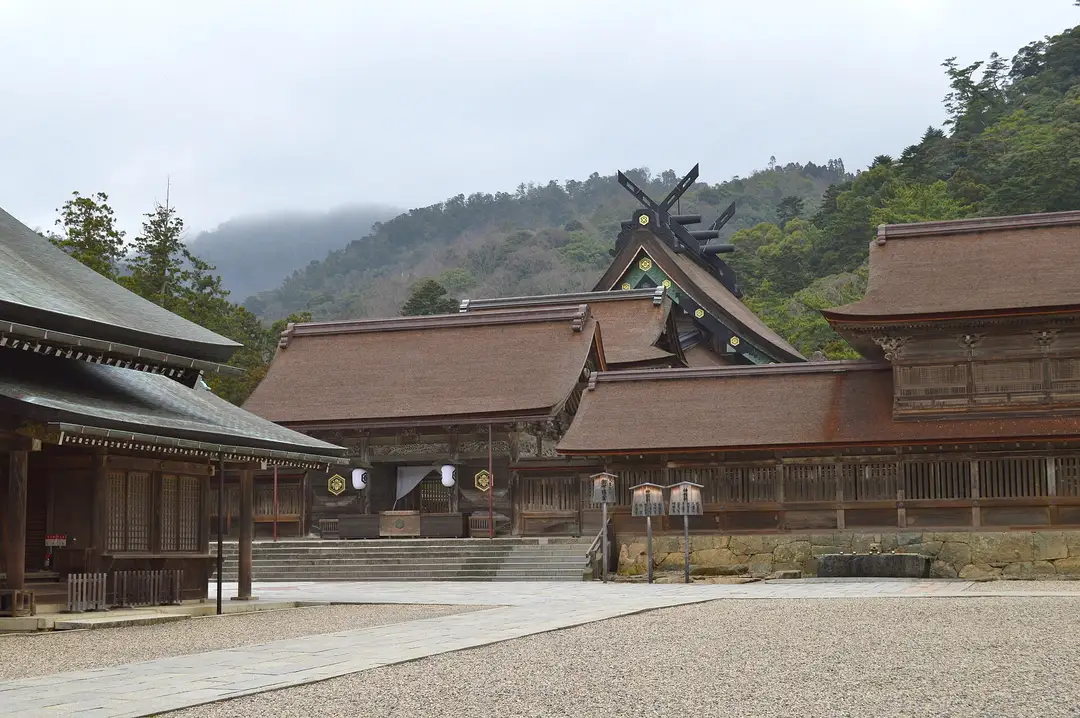
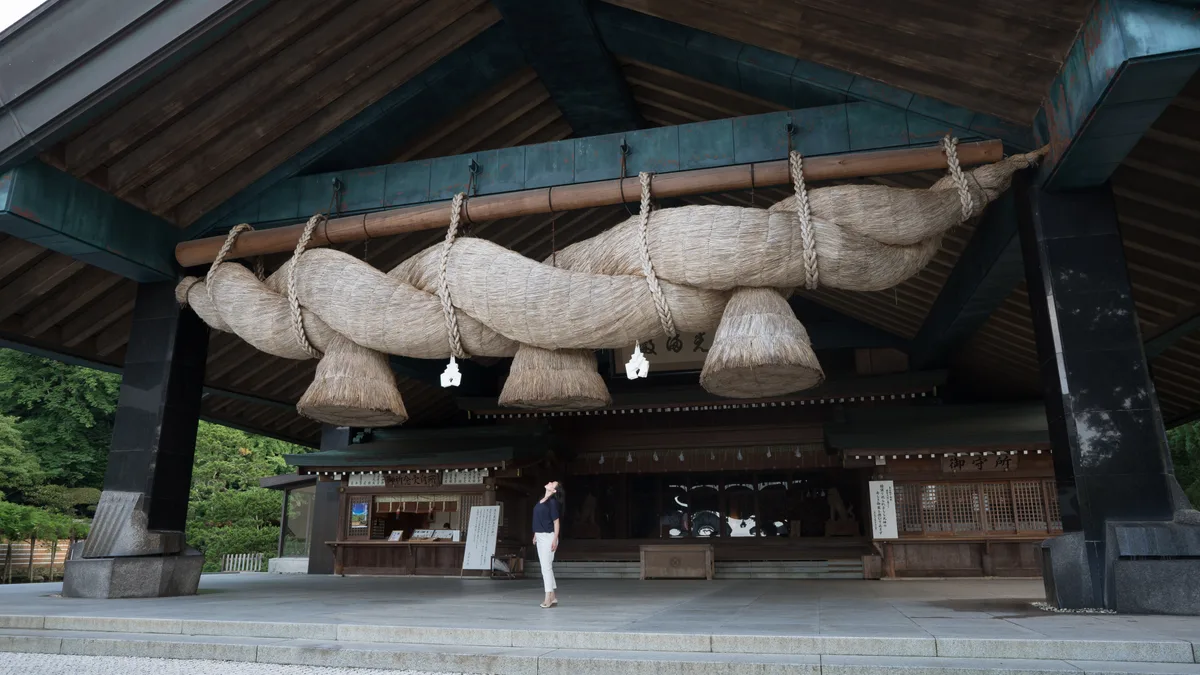
Aujourd'hui, place au sanctuaire qui a changé le nom d'un mois du calendrier. Izumo Taisha (de son nom officiel Izumo Ōyashiro) compte parmi les sanctuaires les plus anciens et les plus prestigieux du Japon. Il est déjà cité dans le Kojiki de 712 ; son pavillon principal est le plus haut bâtiment de sanctuaire du pays, et c'est lui qui a donné son nom au style taisha-zukuri. Ici, tout se fait à sa façon : on frappe quatre fois dans ses mains au lieu de deux, et même l'allée d'accès, chose rare, est en descente. Et une fois par an, au dixième mois lunaire, on dit que les innombrables dieux du Japon quittent leurs sanctuaires d'origine pour venir ici tenir un conseil divin sur les liens de l'année, et c'est pourquoi la divinité Ōkuninushi est le dieu de l'en-musubi, c'est-à-dire les liens de l'amour, mais aussi tous les liens qui comptent dans une vie. Le guide raconte cette histoire en détail ; ici, je vous conseille surtout de prendre votre temps. Ce qui échappe au visiteur pressé, c'est qu'Izumo est bien plus qu'un site à cocher : c'est le récit des origines du Japon, ancré dans le sable et les rivières des environs. Ensuite, direction les falaises à l'ouest, pour un dernier grand paysage : la haute mer du Japon et un phare dans les dernières lueurs du soleil.
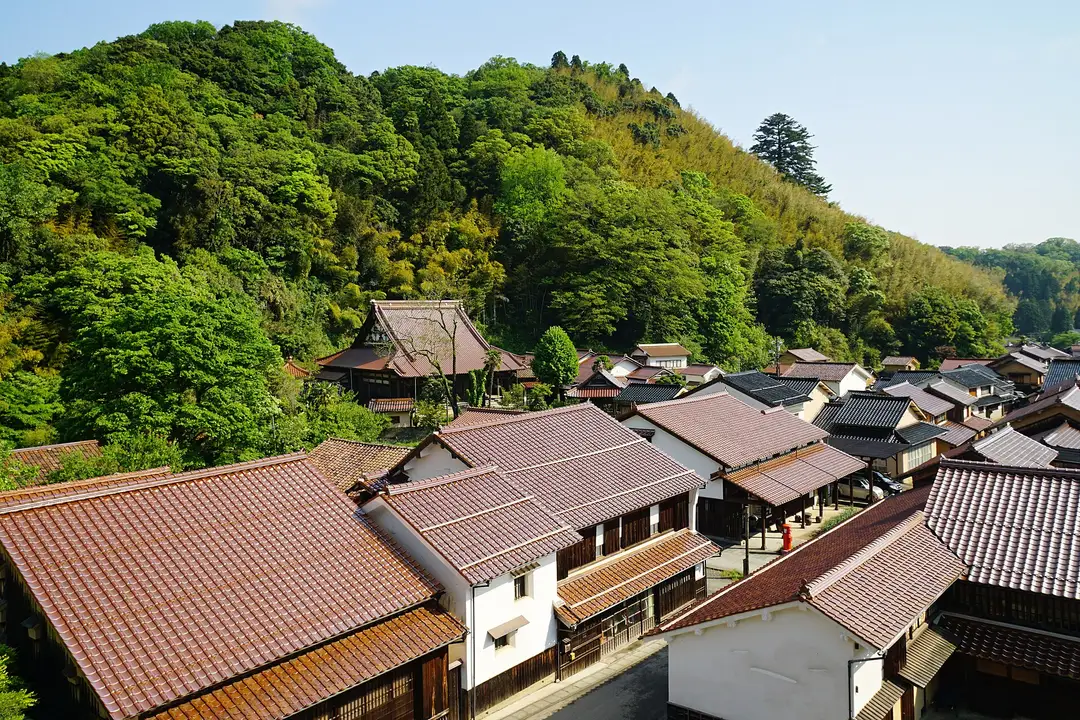
Le dernier jour résume tout le voyage. Iwami Ginzan fut jadis l'une des plus grandes mines d'argent de la planète : au début des années 1600, le Japon produisait environ un tiers de l'argent du monde, et cette vallée en était la principale source : on la trouve même sur les cartes européennes de l'époque des grandes découvertes. Presque partout ailleurs, une exploitation d'une telle ampleur a laissé des paysages ravagés et pollués. Ici, non. La mine était exploitée à la main par petites unités, la forêt gérée plutôt qu'abattue, et lorsque le minerai s'est enfin tari, les montagnes ont simplement reverdi au-dessus des galeries, et c'est pourquoi l'UNESCO en a fait le premier site industriel d'Asie inscrit au patrimoine mondial, en saluant notamment cette harmonie avec la nature. On rejoint les anciennes galeries à pied, par un sentier ombragé qui s'enfonce dans la forêt repoussée sur la mine : on comprend l'histoire avant même qu'on vous la raconte. On retrouve là tout ce que la côte a montré jusqu'ici : les hêtraies protégées du Daisen, les dunes laissées à l'état brut, les sculptures de sable défaites chaque année. Le San-in n'a pas eu besoin de restaurer son passé, puisqu'il ne l'a jamais démoli. Une belle façon de terminer avant de repartir vers l'ouest.
Un jour ou deux de plus dans le San-in valent vraiment la peine, car cette côte se prête mal à la précipitation. Voici quelques pistes, dont aucune n'est « la bonne ».
Une journée de montagne sacrée au Daisen. Entre Tottori et Matsue s'élève le mont Daisen (le « Fuji du Hōki »), lieu de culte depuis le VIIIe siècle, avec le temple de Daisen-ji à mi-pente et l'une des grandes hêtraies de l'ouest du Japon, préservée intacte parce que le sommet fut longtemps tenu pour sacré et interdit. Promenades faciles dans les bois du bas, montée plus exigeante vers le sommet ; les sentiers supérieurs ferment sous la neige de l'hiver.
Un jardin comme un tableau. À l'est de Matsue, à Yasugi, le musée d'art Adachi possède un jardin classé premier du Japon depuis plus de vingt ans d'affilée, mais on n'y pénètre pas. Il est conçu pour être contemplé depuis des points fixes à l'intérieur du bâtiment, les fenêtres jouant le rôle de cadres de tableau, de sorte que le jardin se compose comme un rouleau suspendu qui change au fil des saisons. Un aller-retour d'une demi-journée en navette depuis la gare.
Une nuit d'onsen parmi les mythes. Juste à la sortie de Matsue, Tamatsukuri Onsen est vanté comme un « bain des dieux » guérisseur depuis le huitième siècle et fut l'atelier antique des perles magatama en forme de virgule ; c'est un endroit paisible, riche en légendes, pour passer la nuit. Plus à l'ouest, les petits ports thermaux s'intègrent facilement à la dernière partie du parcours.
Tout au bout du bout. Depuis Sakaiminato ou la région de Matsue, un ferry dessert les lointaines îles Oki, géoparc mondial UNESCO aux falaises marines, où l'on exilait autrefois les condamnés. Comptez au moins une nuit sur place plutôt qu'un aller-retour dans la journée, selon la météo : c'est pour les voyageurs qui veulent voir le San-in dans ce qu'il a de plus reculé.
Si le temps manque, le plus raisonnable est de vous concentrer sur le centre, dans le Shimane, et de remettre les deux extrémités à plus tard. Matsue et Izumo s'enchaînent bien en deux jours depuis un seul point de chute à Matsue : le château noir et le coucher de soleil sur le lac Shinji un jour, le grand sanctuaire où les dieux se rassemblent le lendemain, avec les dunes de l'est et la vallée d'argent de l'ouest réservées pour un autre voyage. C'est aussi la partie la plus facile d'accès : on y arrive directement depuis Okayama, où passe le Shinkansen, en traversant les montagnes, ou en avion jusqu'à Izumo. Et on y retrouve l'esprit de tout le voyage en miniature : une côte qui a gardé son plus vieux château et ses plus vieux dieux. Mieux vaut découvrir cette partie lentement que voir défiler les quatre étapes à toute vitesse derrière une vitre.
Le San-in est fait pour relier deux des plus grands voyages du Japon, et se prolonge facilement à chaque extrémité. À l'est, retour vers le Kansai : Tottori est reliée à Kyoto et Osaka par un express limité, et si vous arrivez ou repartez par là, la ville thermale de Kinosaki, à la limite du San-in, et Amanohashidate, avec sa célèbre langue de sable plantée de pins, se trouvent entre la côte et l'ancienne capitale : une belle façon d'ajouter le San-in à une semaine dans le Kansai. À l'ouest, vers la mer intérieure de Seto : depuis Iwami Ginzan, un bus autoroutier vous mène à Hiroshima, sur la ligne du Shinkansen du Sanyō, point de départ du voyage Hiroshima et la mer intérieure de Seto (Miyajima, Naoshima) : on passe ainsi du calme de la côte nord à la lumière des îles. Le San-in fait aussi un très bon deuxième voyage pour qui a déjà parcouru la route dorée : c'est le Japon plus profond et plus lent que l'on vient chercher la deuxième fois. Ses points forts (un donjon d'origine, des sanctuaires chargés de mythes, des villes thermales) se retrouvent aussi dans les itinéraires thématiques consacrés aux châteaux et aux onsen. Pour moi, le San-in est le moment d'un long voyage où l'on quitte enfin les lignes rapides pour entrer dans un Japon plus ancien et plus calme.
WMJS est écrit au Japon par un Japonais qui aimerait vous faire connaître un peu mieux son pays, puis porté en français avec l'aide de l'IA. Nous relisons chaque page, mais le français n'est pas notre langue maternelle. Si une phrase sonne faux, dites-le-nous. Une seule phrase suffit.
Merci. Chaque message est lu par une personne.
Okayama, une île d'art, Hiroshima et Miyajima — à parcourir en douceur d'est en ouest
Le vieux cœur du Japon — Kyoto, Nara, Osaka — à un rythme paisible
Le voyage d'après la route dorée : moins de lieux, plus de présence : une région laissée de côté, une ville habitée, ou un seul coup de cœur suivi d'un bout à l'autre du pays
Comment voyagent vraiment les amoureux des châteaux : un pèlerinage qui vous apprend à lire un château, vers l'ouest depuis Osaka jusqu'à Shikoku
Trois villes, trois réponses à l'eau qui coule sous elles : Hakone empile de nombreuses sources dans une même montagne, Kinosaki offre une seule eau à toute la rue, et Beppu en a tant que le bain y est devenu ordinaire