
ญี่ปุ่นทำงานอย่างไร
This page is also available in English.Read in English →
このページは日本語でも読めます。日本語で読む →
이 페이지는 한국어로도 읽을 수 있습니다.한국어로 읽기 →
這個頁面也有繁體中文版。閱讀繁體中文版 →
这个页面也有简体中文版。阅读简体中文版 →
Trang này cũng có bản tiếng Việt.Đọc bằng tiếng Việt →
Halaman ini juga tersedia dalam Bahasa Indonesia.Baca dalam Bahasa Indonesia →
Cette page existe aussi en français.Lire en français →
Diese Seite gibt es auch auf Deutsch.Auf Deutsch lesen →
Esta página también está disponible en español.Leer en español →
Questa pagina è disponibile anche in italiano.Leggi in italiano →
Okayama เกาะศิลปะ Hiroshima และ Miyajima — ค่อยๆ เดินจากตะวันออกสู่ตะวันตกอย่างเนิบช้า
ตรวจสอบล่าสุด: 2026-06-16
แผนนี้เหมาะกับใคร
The Setouchi ferries and art islands are at their best outside winter; some island museums close on Mondays and in early January.
ทะเลเซโตะใน (Seto Inland Sea) คือญี่ปุ่นด้านที่เงียบสงบและอยู่ใกล้ผืนน้ำ หลายคนมองว่าเป็นแค่ทางผ่านเล็กๆ ระหว่างทางไปยังที่ที่ดังกว่า แต่ที่จริงแล้ว เส้นทางช่วงนี้เองคือจุดหมาย แผ่นดินตรงนี้แคบลงระหว่างชายฝั่งสองด้าน ทริปจึงเป็นเส้นตรงเส้นเดียวจากตะวันออกไปตะวันตก คนส่วนใหญ่นั่ง Sanyo Shinkansen มาจาก Osaka หรือ Kyoto ลงที่ Okayama ก่อน แล้วค่อยๆ ขยับไปทางตะวันตกจนถึง Hiroshima ในวันหลังๆ ผมแนะนำให้วางไว้ราวสี่วันแบบยืดหยุ่น ไม่ต้องเก็บให้ครบทุกที่ วันแรกเริ่มที่ Okayama แบบสบายๆ มีสวนที่มีชื่อเสียง ปราสาทสีดำ และเมืองริมคลอง วันต่อมาใช้ทั้งวันเที่ยวช้าๆ บนเกาะศิลปะ แล้วย้ายไปทางตะวันตกที่ Hiroshima เมืองที่ฟื้นฟูตัวเองขึ้นใหม่โดยมีสันติภาพเป็นแก่นกลาง และสุดท้ายคือ Miyajima ที่ประตูโทริอิสีชาดอันยิ่งใหญ่ตั้งตระหง่านอยู่กลางทะเล
ข้อดีของภูมิภาคนี้คือไม่ต้องย้อนกลับทางเดิมเลย Shinkansen เชื่อมสองเมืองนี้ในเวลาแค่ครึ่งชั่วโมงกว่าๆ หมู่เกาะอยู่ไม่ไกลจากชายฝั่ง และแต่ละวันก็ขยับไปทางตะวันตกทีละช่วง ด้านล่างผมจะเล่าว่าผมเดินทางอย่างไรและพักที่ไหน คุณจะตัดบางส่วนออกหรือสลับลำดับให้เข้ากับทริปของตัวเองก็ได้ จะไปครบทั้งเส้น ไปแค่ครึ่งทางตะวันตก หรือต่อยาวไปถึง Kyushu ก็ได้
เพราะทริปนี้ไปจากตะวันออกไปตะวันตก ผมจึงแนะนำให้แบ่งพัก สองที่ แทนการนั่งรถไปกลับจากที่เดียว คุณจะได้พักใกล้กับที่เที่ยวในแต่ละวัน และย้ายกระเป๋าแค่ครั้งเดียว
สำหรับครึ่งแรก ผมจะปักหลักแถวสถานี Okayama สถานีนี้เป็นศูนย์กลางของภูมิภาค ทั้ง Sanyo Shinkansen และรถไฟสายปกติทุกสายมาเจอกันที่นี่ รวมถึงสาย Uno ที่ไปท่าเรือเฟอร์รีไป Naoshima และสาย Sanyo ที่นั่งไปทางตะวันตกไม่นานก็ถึง Kurashiki สองวันแรกจึงไปเช้าเย็นกลับจากที่พักเดิมได้สะดวก ไม่ต้องคิดเรื่องต่อรถในตอนเช้า ย่านรอบสถานีเน้นความสะดวกมากกว่าความสวยงาม แต่จะขึ้นรถไฟสายไหนก็อยู่ใกล้แค่นี้เอง
สำหรับครึ่งหลัง ผมจะย้ายไป Hiroshima โดยเลือกหนึ่งในสองย่านที่มีรถรางเชื่อมถึงกันสะดวก รอบสถานี Hiroshima เป็นตัวเลือกที่สะดวกต่อการเดินทาง เพราะ Shinkansen จอดที่นี่ และรถไฟ JR ไป Miyajimaguchi ก็ออกจากที่นี่ ย่านใจกลาง Hondori / Kamiyacho เดินไป Peace Memorial Park ได้ไม่ไกล อยู่รอบถนนช้อปปิ้งที่มีหลังคาคลุม และมีรถรางสายเดียวกันทั้งกลับสถานีและไปท่าเรือเฟอร์รี ถ้าคุณมา Hiroshima เพื่อ Peace Park เป็นหลัก ผมแนะนำย่านใจกลางเมือง แต่ถ้ามาถึงดึกและออกเดินทางแต่เช้า ย่านสถานีจะสะดวกกว่า
เรื่องที่ควรรู้สำหรับ Kurashiki คือให้ลงที่ สถานี JR Kurashiki ซึ่งเดินไม่ไกลจากย่านคลองเก่า ไม่ใช่ Shin-Kurashiki ซึ่งเป็นสถานี Shinkansen ที่อยู่ห่างจากย่านประวัติศาสตร์พอสมควร
อย่างแรกผมแนะนำให้หา บัตร IC ไว้ก่อน แล้วเรื่องตั๋วก็แทบไม่ต้องกังวลอีก บัตรนี้เป็นบัตรเติมเงิน แตะตอนเข้าสถานี แตะตอนออก ระบบจะคิดค่าโดยสารให้เอง บัตรประจำภูมิภาคนี้คือ ICOCA (JR West) แต่ Suica หรือ PASMO จาก Tokyo ก็ใช้ที่นี่ได้เช่นกัน ทุกใบใช้แทนกันได้
ในทริปนี้ใช้บัตรแตะขึ้นอะไรได้บ้าง: รถไฟ JR ธรรมดาและรถเร็ว (Okayama–Kurashiki, สาย Uno ไปท่าเรือเฟอร์รี Naoshima, Hiroshima ไป Miyajimaguchi), รถราง Hiroden ใน Hiroshima และเรือเฟอร์รี JR Miyajima ข้ามไปยังเกาะ แค่นี้ก็ครอบคลุมการเดินทางระยะสั้นเกือบทั้งหมดในทริปนี้แล้ว
สองอย่างที่ใช้บัตร IC ไม่ได้ อย่างแรกคือ Shinkansen แตะบัตรอย่างเดียวขึ้นไม่ได้ ช่วงที่นั่ง Shinkansen (Shin-Osaka–Okayama, Okayama–Hiroshima) คุณต้องซื้อตั๋วหรือจองผ่าน Smart-EX/EX-IC อย่างที่สองคือ เรือเฟอร์รีลำเล็กจาก Uno ไป Naoshima ซึ่งแยกระบบของตัวเอง ต้องซื้อตั๋วกระดาษที่ช่องขายตั๋วที่ท่าเรือ จึงควรเตรียมเงินสดไว้บ้าง
เรื่องที่ควรรู้ก่อนไป Naoshima เพราะมีผลกับแผนทั้งวันบนเกาะ พิพิธภัณฑ์ศิลปะและบ้านศิลปะที่นั่นใช้ ตั๋วออนไลน์แบบจองรอบเวลา ซึ่งมักขายหมด โดยเฉพาะ Chichu Art Museum ควรจองไว้ ก่อน ออกเดินทาง เพราะไม่มีการขายตั๋วหน้างานเมื่อเต็มแล้ว และ เกือบทุกที่บนเกาะปิดวันจันทร์ (ถ้าวันจันทร์เป็นวันหยุดราชการ จะเปิดวันจันทร์และปิดวันอังคารแทน) ผมจึงแนะนำให้ไปเกาะวันไหนก็ได้ที่ไม่ใช่วันจันทร์
ต้องซื้อพาสรถไฟไหม? ถ้าเที่ยวแค่เส้นทางนี้ ส่วนใหญ่ไม่จำเป็น เพราะแต่ละช่วงระยะสั้น พาสจะคุ้มก็ต่อเมื่อคุณนั่ง Shinkansen ระยะไกลหลายช่วง และถ้าจะซื้อก็ต้องเลือกให้ถูกใบ JR Setouchi Area Pass ครอบคลุม Sanyo Shinkansen ตลอดทางจาก Shin-Osaka ถึง Hakata (รวมเรือเฟอร์รี Miyajima และเรือเฟอร์รี Setouchi บางเส้น) ขณะที่ JR Okayama–Hiroshima–Yamaguchi Area Pass ครอบคลุม Shinkansen ตั้งแต่ Okayama เป็นต้นไปเท่านั้น ใช้นั่งจาก Osaka ไม่ได้ ถ้าทริปของคุณรวม Kansai ด้วย พาส Setouchi คือใบที่ใช้นั่งถึง Shin-Osaka ได้ ผมใส่รายละเอียดทั้งสองใบไว้ในกล่องข้อมูลแล้ว ซื้อพาสเฉพาะเมื่อค่ารถช่วงยาวรวมกันแล้วคุ้มจริงๆ
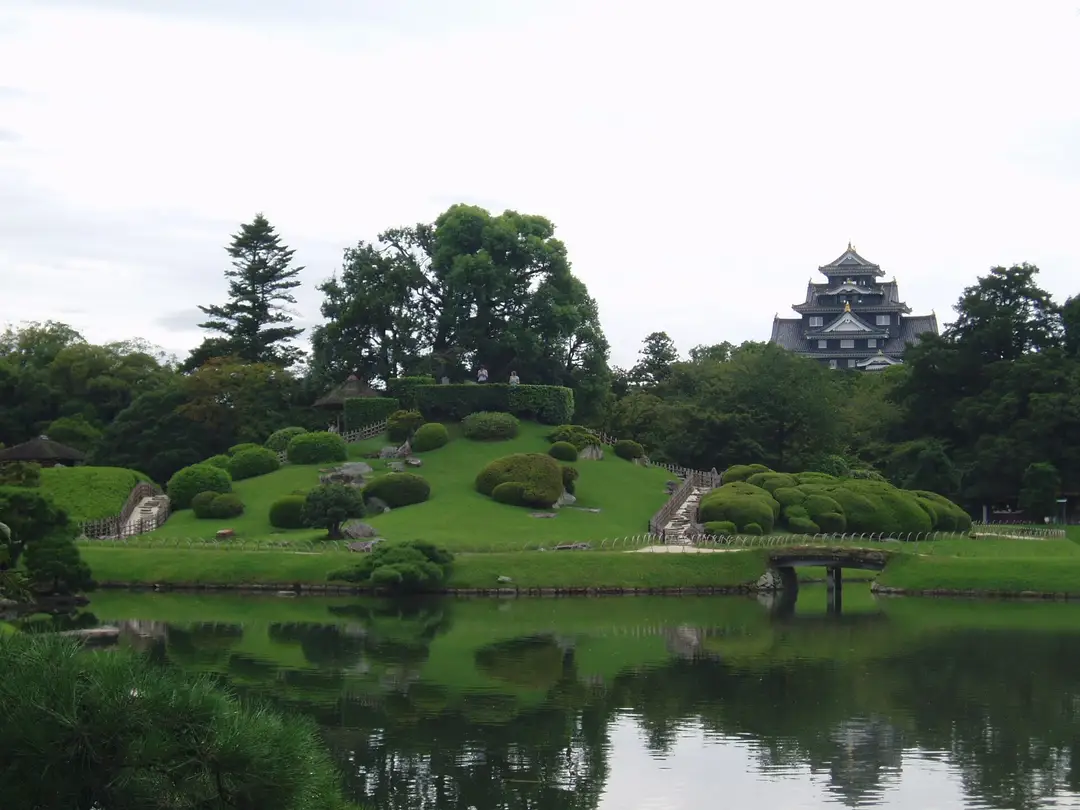
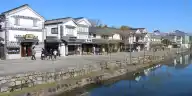
Okayama เป็นจุดเริ่มฝั่งตะวันออกที่เที่ยวได้สบายๆ ผมอยากให้วันแรกเป็นวันเที่ยวช้าๆ ไฮไลต์คือ Korakuen หนึ่งในสามสวนที่มีชื่อเสียงที่สุดของญี่ปุ่น เป็นสวนแบบเดินชมที่มีสนามหญ้ากว้าง สระน้ำ และศาลาน้ำชา ออกแบบตามหลัก ยืมทิวทัศน์ ให้หอปราสาทสีดำของ Okayama Castle ฝั่งตรงข้ามแม่น้ำกลายเป็นส่วนหนึ่งของภาพในสวน ผนังไม้สีเข้มทำให้ปราสาทได้ฉายาว่า Ujo หรือปราสาทอีกา ตั้งใจให้ตรงข้ามกับปราสาท Himeji ที่ได้ฉายาว่านกกระยางขาว หอปราสาทที่เดินเข้าไปชมเป็นของที่สร้างขึ้นใหม่หลังสงคราม แต่คูเมืองและที่ตั้งบนเกาะกลางแม่น้ำยังเป็นของเดิม พอเริ่มเย็น ผมจะนั่งรถไฟต่อไปทางตะวันตกที่ Kurashiki ย่านการค้าสมัย Edo ที่อนุรักษ์ไว้ มีคลองริมต้นหลิวไหลผ่านโกดังพ่อค้าผนังสีขาว ตอนโคมไฟเปิดและแสงสะท้อนบนคลองจะสวยเป็นพิเศษ ทั้งสามแห่งยังไม่มีไกด์ฉบับเต็มของ WMJS ผมจึงบอกแค่วิธีไป ที่เหลือให้ไปสัมผัสด้วยตัวเอง
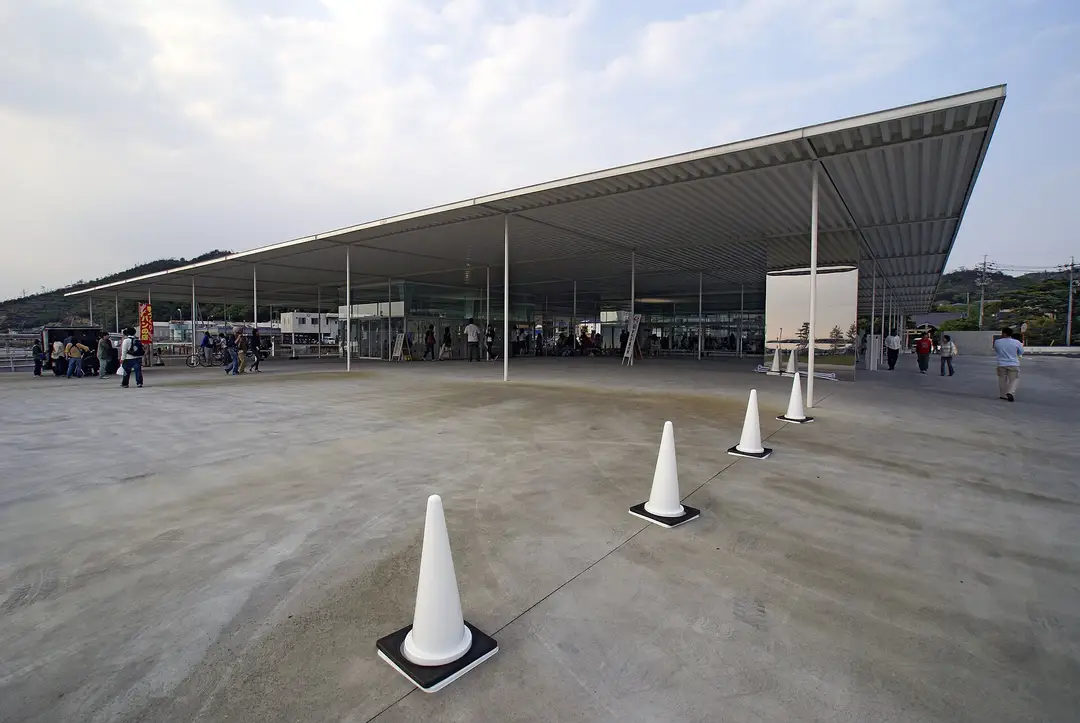
วันที่สองผมยกให้ Naoshima ทั้งวัน เกาะเล็กๆ ในทะเลในที่ถูกปรับเปลี่ยนทีละน้อยจนทั้งเกาะเป็นเหมือนงานศิลปะชิ้นใหญ่ชิ้นเดียว มีพิพิธภัณฑ์คอนกรีตที่สร้างฝังลงไปในเนินเขา อย่าง Chichu ที่มีภาพของ Monet ไม่กี่ภาพ ห้องแสงของ Turrell และห้องผลงานของ De Maria อยู่ใต้ดิน บ้านเก่าในหมู่บ้าน Honmura ถูกดัดแปลงเป็นงานศิลปะ และฟักทองลายจุดของ Yayoi Kusama ก็ตั้งอยู่ริมท่าเรือ ใครลงจากเรือก็ชมได้ฟรี ทั้งวันจะเป็นจังหวะแบบเกาะ นั่งเรือเฟอร์รีข้ามไป นั่งรถเมล์คันเล็กวนไปตามจุดต่างๆ และมีทะเลอยู่ในสายตาตลอด มีสองเรื่องที่ต้องวางแผน คือจองตั๋วแบบระบุรอบเวลาไว้ล่วงหน้า (ตั๋ว Chichu ขายหมดได้) และอย่ามาวันจันทร์ ซึ่งเกือบทุกที่บนเกาะปิด
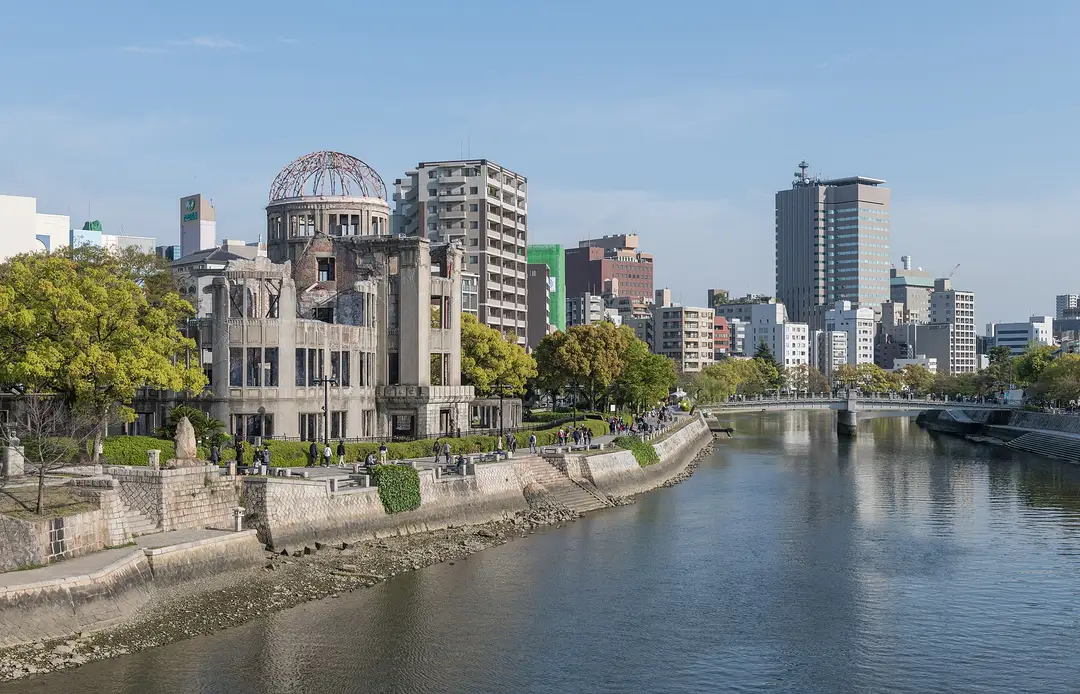
วันนี้นั่ง Shinkansen ไปทางตะวันตกแค่ครึ่งชั่วโมงกว่าๆ แล้วบรรยากาศของทริปก็จะเปลี่ยนไป Hiroshima เป็นเมืองที่อบอุ่น มีผู้คนใช้ชีวิตกันตามปกติ หลังปี 1945 เมืองนี้เลือกสร้างตัวเองขึ้นใหม่โดยมีสันติภาพเป็นแก่นกลาง Peace Memorial Park อยู่ริมแม่น้ำ ตรงใจกลางบริเวณที่เมืองถูกทำลาย A-Bomb Dome ถูกเก็บไว้ในสภาพเดียวกับหลังระเบิดทุกประการ และเป็นมรดกโลกของ UNESCO ส่วน Peace Memorial Museum ทางปลายด้านใต้ของสวนเป็นที่ที่ชมแล้วหนักใจมาก แต่สิ่งที่ได้กลับมาคือความรู้สึกที่ใกล้เคียงกับความตั้งใจแน่วแน่ ผมแนะนำให้ชมแบบไม่รีบ เผื่อเวลานั่งพักริมแม่น้ำหลังจากนั้น และอย่าลืมว่าเมืองรอบๆ สวนเป็นเมืองที่เป็นมิตรและมีชีวิตชีวา ไกด์ที่เกี่ยวข้อง: Hiroshima Peace Memorial
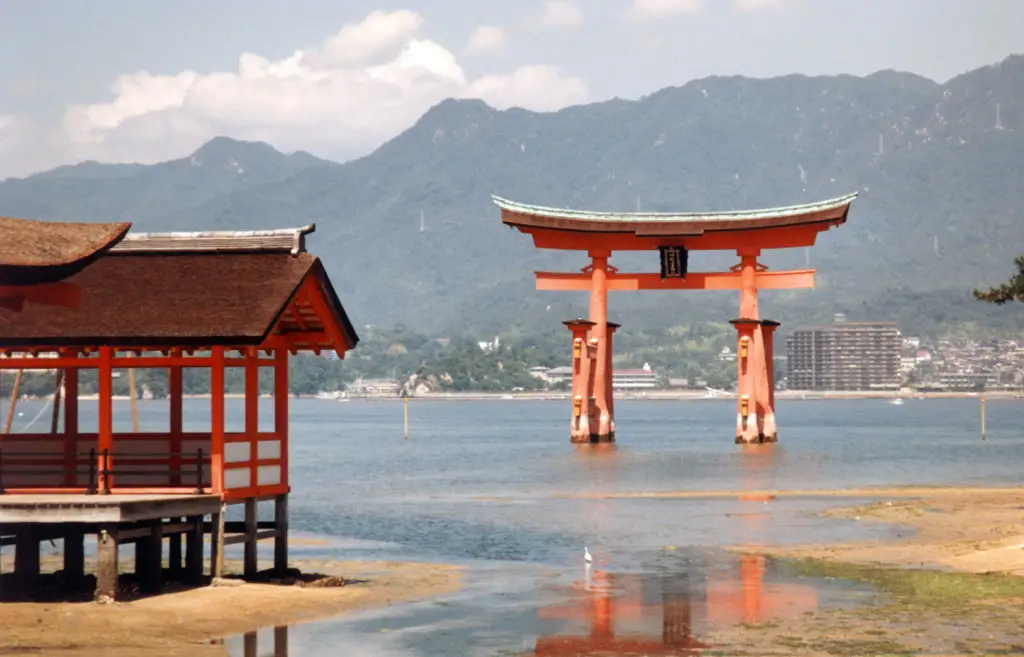
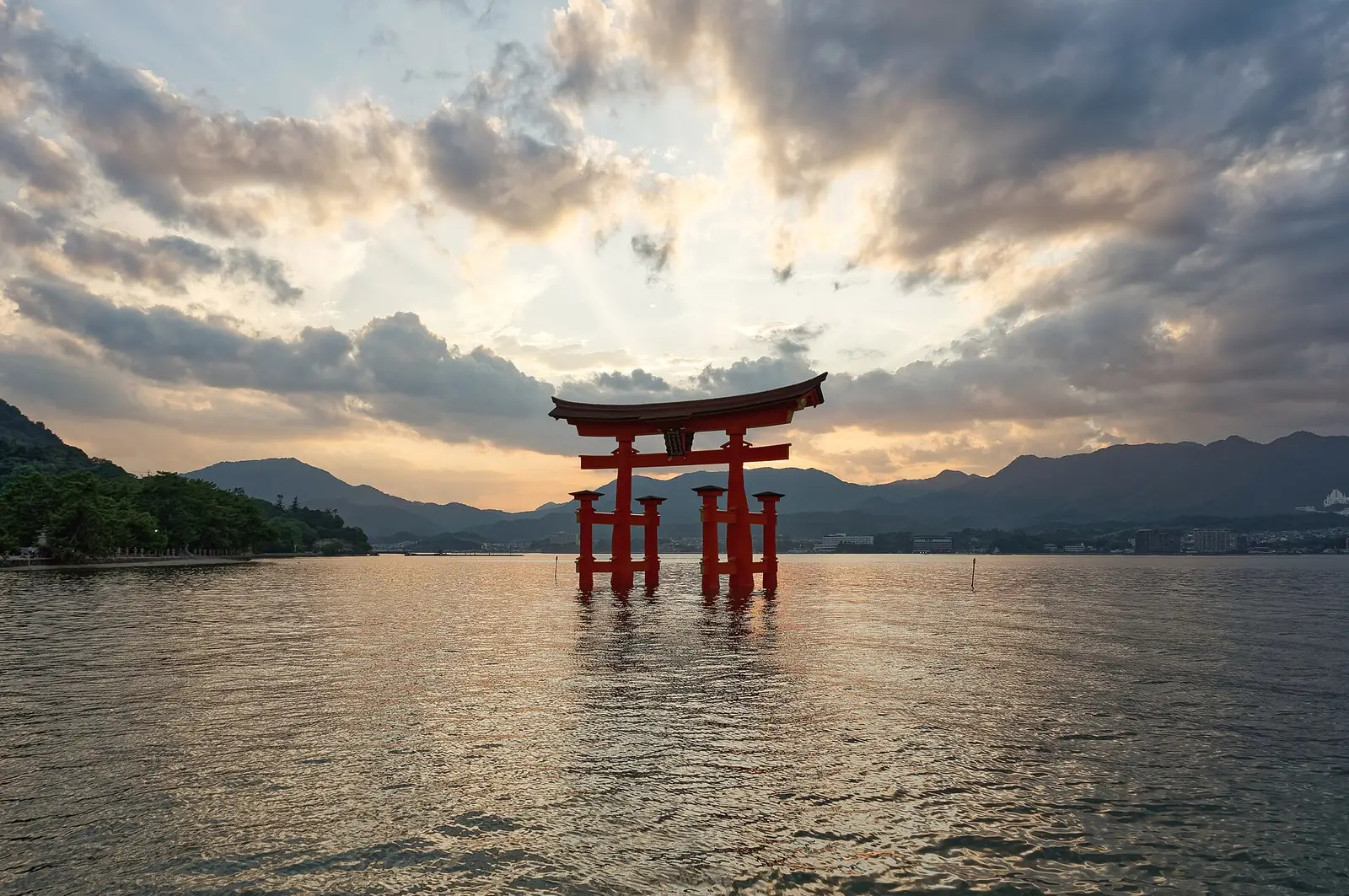
วันสุดท้ายไปที่ Miyajima เกาะที่อยู่ทางตะวันตกเฉียงใต้ของ Hiroshima ไม่ไกล ที่นี่มี Itsukushima Shrine ที่สร้างบนเสายื่นออกไปในทะเล ในยามน้ำขึ้น ศาลเจ้าและประตู โทริอิ สีชาดอันยิ่งใหญ่ดูราวกับลอยอยู่ ทั้งเกาะถือเป็นพื้นที่ศักดิ์สิทธิ์ และที่นี่ก็มีกวางป่าเดินอยู่ตามชายหาด กวางจะสบายใจที่สุดเมื่อได้เดินอย่างอิสระ ผมจึงแนะนำให้ดูอยู่ห่างๆ สักหน่อย ภาพที่เห็นขึ้นอยู่กับระดับน้ำทะเลทั้งหมด ถ้ามาตอนน้ำขึ้น โทริอิจะดูเหมือนลอยอยู่บนน้ำ ถ้ามาตอนน้ำลง คุณเดินข้ามหาดทรายไปยืนที่โคนเสาได้ ทั้งสองแบบก็สวย แค่เช็กตารางน้ำขึ้นน้ำลงไว้ก่อนจะได้รู้ว่าจะได้เห็นแบบไหน ถ้านั่งกระเช้าไฟฟ้าจากด้านบนหมู่บ้านขึ้นไปทาง Mt Misen จะเห็นวิวทะเลในได้กว้างไกล ไกด์ที่เกี่ยวข้อง: Miyajima
ถ้ามีเวลาเพิ่มอีกหนึ่งวัน ผมมีสองทางเลือกที่ต่างกันมาก ไม่มีทางไหนถูกหรือผิด แค่เหมาะกับอารมณ์คนละแบบ
Onomichi และ Shimanami Kaido Onomichi เป็นเมืองวัดบนเนินเขา อยู่บนสาย Sanyo ระหว่าง Okayama กับ Hiroshima จึงแวะได้พอดีในวันที่เดินทางไปทางตะวันตก และยังเป็นจุดเริ่มต้นฝั่ง Honshu ของ Shimanami Kaido เส้นทางปั่นจักรยานราว 70 กม. ที่ข้ามสะพานยาวจากเกาะหนึ่งไปอีกเกาะจนถึง Shikoku เช่าจักรยานได้ (มีจักรยานไฟฟ้าด้วย) และคืนที่ปลายทางอีกฝั่งได้ ไม่จำเป็นต้องปั่นครบทั้งเส้น หลายคนปั่นไปแค่สองสามเกาะแล้วปั่นกลับ ที่นี่ยังไม่มีไกด์ของ WMJS ผมจึงแนะนำให้ดูข้อมูลปั่นจักรยานอย่างเป็นทางการของ Shimanami ในกล่องข้อมูล
หรือขึ้นเหนือไป Izumo Taisha ถ้าอยากได้บรรยากาศที่ต่างออกไปเลย ทางเลือกนี้ต้องนั่งรถไฟข้ามภูเขาแบบช้าๆ รถไฟด่วนพิเศษ Yakumo จะพาขึ้นเหนือจาก Okayama ไม่กี่ชั่วโมงไปถึงชายฝั่ง San-in ที่เงียบกว่าและมีหมอกบ่อยกว่า ซึ่งได้ชื่อว่าเป็น 'ดินแดนแห่งเทพเจ้า' Izumo Taisha เป็นศาลเจ้าใหญ่ที่ขึ้นชื่อเรื่อง en-musubi หรือการผูกสายสัมพันธ์ทุกแบบ ไม่ใช่แค่เรื่องความรัก ที่จริงแล้วที่นี่เหมาะกับทริปชายฝั่งเหนือแยกอีกทริปมากกว่าเส้นทาง Sanyo ริมทะเลที่สดใสนี้ ผมจึงแนะนำให้ไปแบบไปกลับระยะไกลเฉพาะเมื่อคุณอยากไปจริงๆ เท่านั้น ไกด์ที่เกี่ยวข้อง: Izumo Taisha
ถ้ามีเวลาน้อย ทริปนี้ย่อได้โดยไม่เสียส่วนสำคัญ เพราะเส้นทางเป็นเส้นตรงอยู่แล้ว แค่เลือกเก็บไว้ฝั่งเดียว ถ้ามีสองหรือสามวัน ผมจะ เลือก Hiroshima กับ Miyajima เพราะเมืองแห่งสันติภาพกับศาลเจ้ากลางทะเลก็ให้ความรู้สึกครบในตัวอยู่แล้ว แล้วตัด Naoshima ออก เพราะเกาะนี้ต้องใช้เวลาทั้งวันแบบไม่รีบ และเป็นส่วนที่ตัดออกได้ง่ายที่สุด หรือจะกลับกันก็ได้ คือ เลือก Okayama กับ Naoshima เที่ยวสวนกับงานศิลปะแบบสบายๆ แล้วเก็บฝั่งตะวันตกไว้ทริปหน้า ถ้ามาถึงดึก ที่แรกที่ผมจะตัดคือ Kurashiki สิ่งเดียวที่ผมไม่แนะนำคืออัดสี่วันให้เหลือสองวัน เพราะเที่ยวช้าๆ ได้อะไรกลับมามากกว่าเที่ยวแบบอัดแน่น
บล็อกนี้ต่อกับภูมิภาคอื่นของญี่ปุ่นได้สามทาง ทางตะวันตก Sanyo Shinkansen วิ่งต่อจาก Hiroshima ถึง Hakata ในเวลาชั่วโมงกว่าๆ ต่อบล็อก Kyushu ได้พอดี ทางตะวันออก สายเดียวกันวิ่งกลับไป Shin-Osaka ในเวลาไม่ถึงชั่วโมง ต่อกับบล็อก Kansai ได้ ทางเหนือ รถไฟด่วนพิเศษ Yakumo ข้ามภูเขาไปยัง Izumo และชายฝั่ง San-in ที่เงียบสงบ อย่าลืมว่าแตะบัตร IC อย่างเดียวขึ้น Shinkansen ไม่ได้ ช่วงทางไกลเหล่านี้ต้องซื้อตั๋วหรือใช้ Smart-EX/EX-IC และถ้าจะนั่ง Shinkansen ทางไกลหลายช่วงจาก Kansai พาส JR Setouchi Area Pass คือใบที่รวม Shin-Osaka–Hakata Shinkansen ไว้ด้วย (พาส Okayama–Hiroshima–Yamaguchi เริ่มที่ Okayama เท่านั้น)
WMJS เขียนขึ้นในญี่ปุ่นโดยคนญี่ปุ่นคนหนึ่งที่อยากให้คุณรู้จักญี่ปุ่นมากขึ้นอีกนิด และแปลเป็นภาษาไทยโดยมี AI ช่วย เราตรวจทุกหน้า แต่เราไม่ใช่เจ้าของภาษาไทย ถ้าประโยคไหนอ่านแล้วแปลก ๆ บอกเราได้เลย แค่ประโยคเดียวก็พอ
ขอบคุณ ทุกข้อความมีคนอ่านจริง ๆ
ไกด์เดินเที่ยวนาโอชิมะ เกาะศิลปะแห่งทะเลเซโตะใน ฟักทองของคุซามะ พิพิธภัณฑ์ศิลปะชิชูใต้ดิน และบ้านที่กลายเป็นงานศิลปะในหมู่บ้านที่ยังมีคนอยู่
Naoshima Island
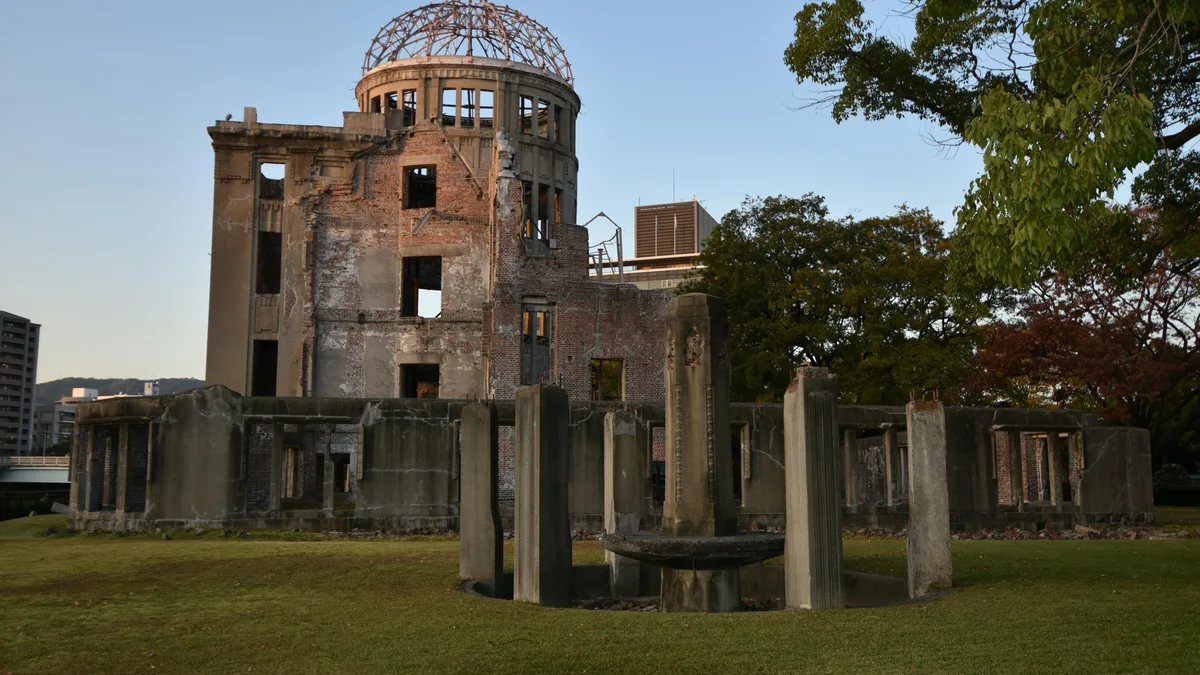
ไกด์เสียงพาเยือนสวนอนุสรณ์สันติภาพฮิโรชิมาอย่างเงียบสงบและให้ความเคารพ ครบทั้งโดมระเบิดปรมาณู อนุสรณ์สถาน เปลวไฟแห่งสันติภาพ อนุสรณ์เด็ก และพิพิธภัณฑ์ พร้อมเวลาเปิดปิด ค่าเข้า การเดินทาง และวิธีถวายนกกระเรียนกระดาษ
Hiroshima Peace Memorial Park
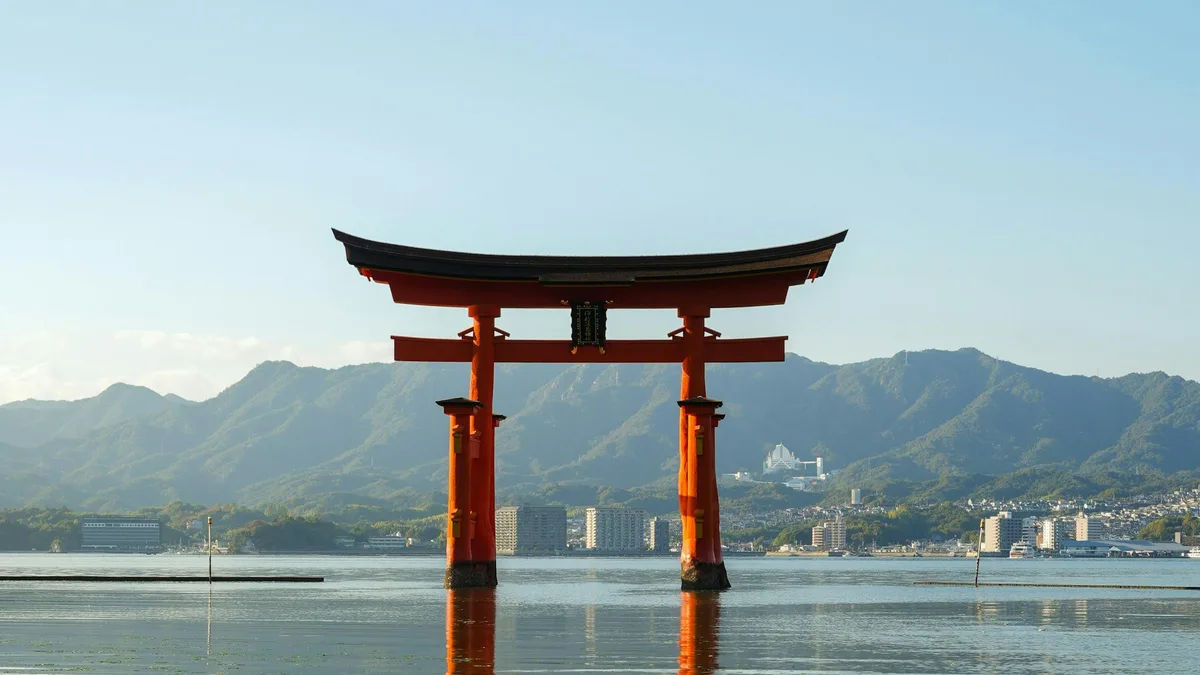
มิยาจิมะคุ้มค่ากับการไปเยือนไหม? เราถ่วงน้ำหนักเสียงนักเดินทาง 165 เสียง: 58% บอกว่าคุ้ม มีเพียง 7% ที่รู้สึกผิดหวัง ศาลเจ้าและโทริอิที่ลอยอยู่บนหาดโคลนนอกชายฝั่งฮิโรชิม่า วิธีอ่านกระแสน้ำ เรือข้ามฟากที่ควรเลือก และภูเขามิเซ็น พร้อมไกด์เสียง
Itsukushima Shrine
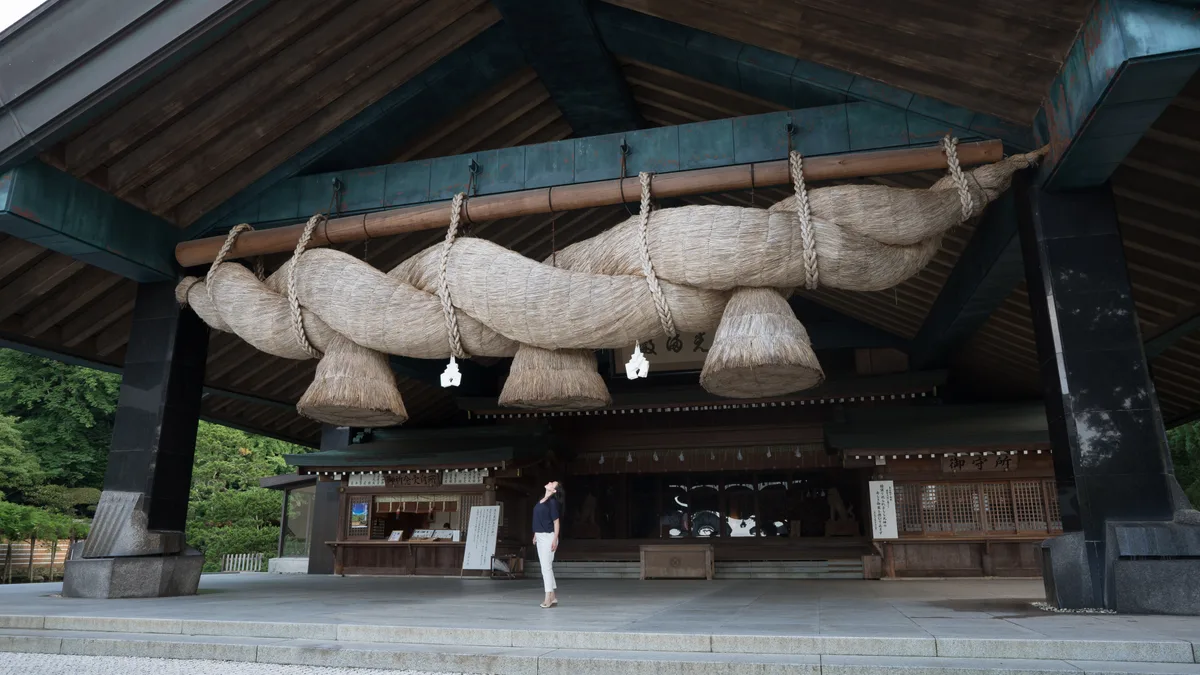
ไปอิซุโมะไทฉะคุ้มไหม? เรารวบรวมเสียงนักเดินทาง 60 เสียง: 52% บอกว่าคุ้มเพราะตัวศาลเจ้าและความสงบ 43% บอกว่าขึ้นอยู่กับการวางแผนวันเดินทาง ส่วนผู้มาสักการะชาวญี่ปุ่นประทับใจยิ่งกว่าที่ 61% ปรบมือสี่ครั้ง ตำแหน่งจริงของเชือกเส้นใหญ่ และเดือนที่เชื่อกันว่าเหล่าเทพของญี่ปุ่นมารวมตัวกัน พร้อมไกด์เสียง
Izumo Taisha (Izumo Oyashiro)
หัวใจเก่าแก่ของญี่ปุ่น — เกียวโต นารา โอซาก้า — ในจังหวะที่สบายๆ
แนวกระดูกสันหลังจากเหนือลงใต้ตลอดเกาะ ศาลเจ้าแห่งความหวัง ท่าเรือหน้าต่างเปิด ปราสาทที่กำลังได้รับการเยียวยา และเมืองใต้เงาภูเขาไฟ
ชายฝั่งทะเลญี่ปุ่นที่ฝั่งมีแดดมองข้าม แต่กลับเก็บญี่ปุ่นยุคเก่าแก่ที่สุดไว้ในร่มเงา: ศาลเจ้าที่เก่าแก่กว่าเมืองหลวงยุคแรกๆ ซึ่งเหล่าเทพยังมาชุมนุม หอปราสาทดั้งเดิมที่ทั้งประเทศเหลือเพียงสิบสองแห่ง ภูเขาเงินที่ผืนป่ายังคงอยู่ และพระอาทิตย์ตกที่ติดรายชื่อทางการ 100 แห่งของญี่ปุ่น ค่อยๆ เที่ยวจากตะวันออกไปตะวันตก จากเนินทรายขนาดใหญ่ไปจนถึง Izumo และพระอาทิตย์ยามอัสดง
คนรักปราสาทเที่ยวกันจริงๆ อย่างไร: เส้นทางจาริกจาก Osaka ไปทางตะวันตกจนถึง Shikoku ที่ช่วยให้คุณดูปราสาทเป็น
ทริปที่จัดตามปฏิทินมัตสึริ จากกิออนที่เกียวโต สู่พลุริมแม่น้ำที่โอซาก้า และต่อไปยังถนนที่เต็มไปด้วยคนรำในเดือนสิงหาคม ในสายตาของคนรักหน้าร้อนญี่ปุ่น ความร้อนคือสิ่งที่ทำให้เทศกาลมีเสน่ห์ และเทศกาลคือที่ที่คุณได้เข้าไปร่วม ไม่ใช่แค่ยืนดู