
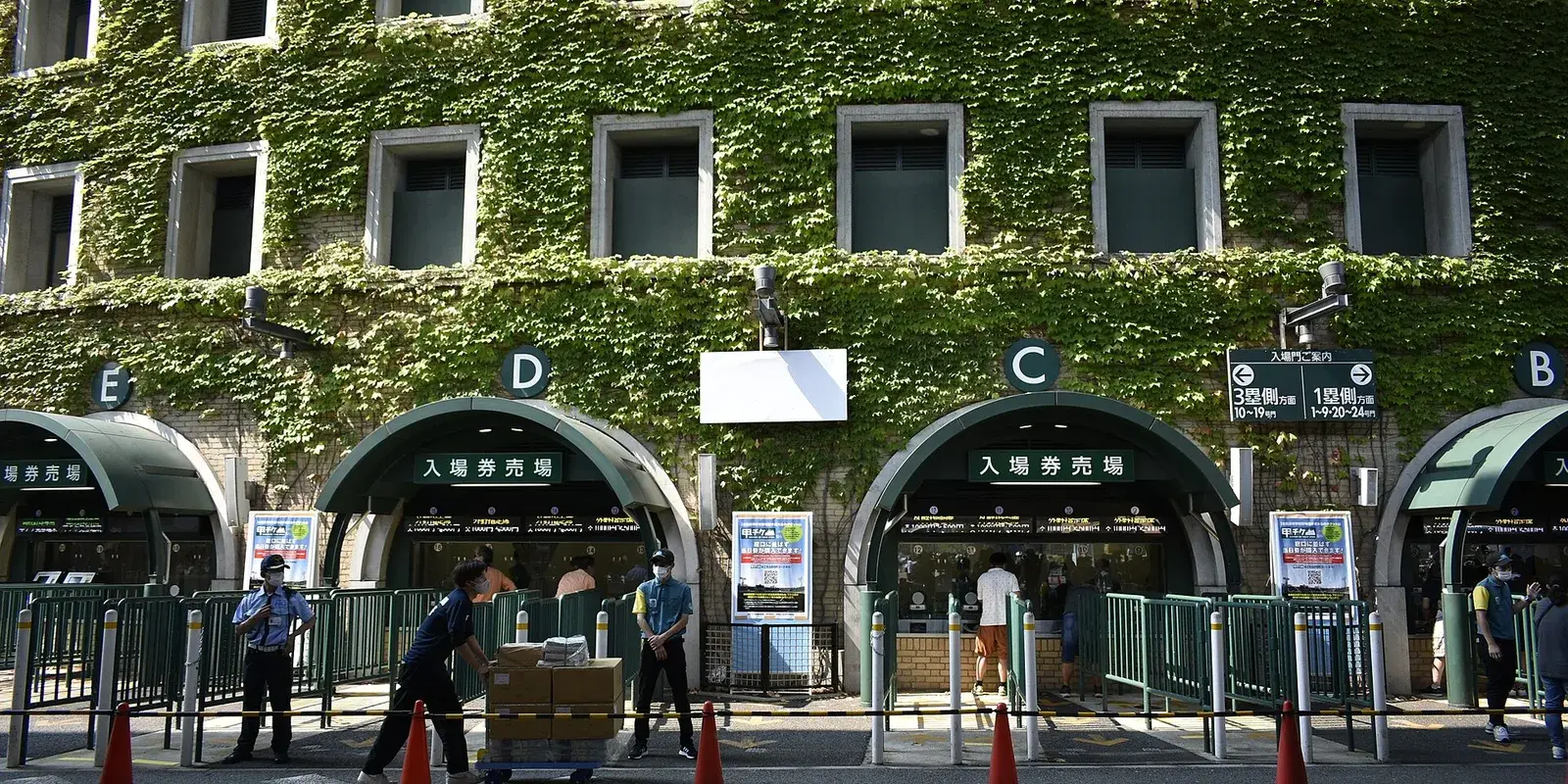
Why an Entire Nation Cries Over a High School Baseball Game
What you'll learn in this article:
- Why 353 Japanese people say Koshien matters more than professional baseball
- The emotional architecture behind a tournament that makes grown adults cry
- What specific moments trigger tears, and what they reveal about Japanese values
- Whether young Japanese people still feel the Koshien magic
Why does Japan cry over high school baseball? We collected 353 public posts by Japanese people. The answer isn't really about baseball. It's about finality. Every game could be a player's last, forever. That one-loss-and-you're-done structure, compressed into a few summer weeks, creates an emotional intensity that professional baseball's 144-game season simply cannot match. 49% of voices say Koshien moves them more than pro baseball. And when foreigners show genuine interest? 66% of Japanese people feel proud.
If you're in Japan during August, something strange happens. Televisions in every restaurant, convenience store, and office lobby are tuned to the same thing: teenagers playing baseball. Strangers lean in. Office workers check scores on their phones. And somewhere, in a living room, at a bar, on a train platform watching a tiny screen, a grown adult is quietly wiping away tears.
Welcome to Koshien.
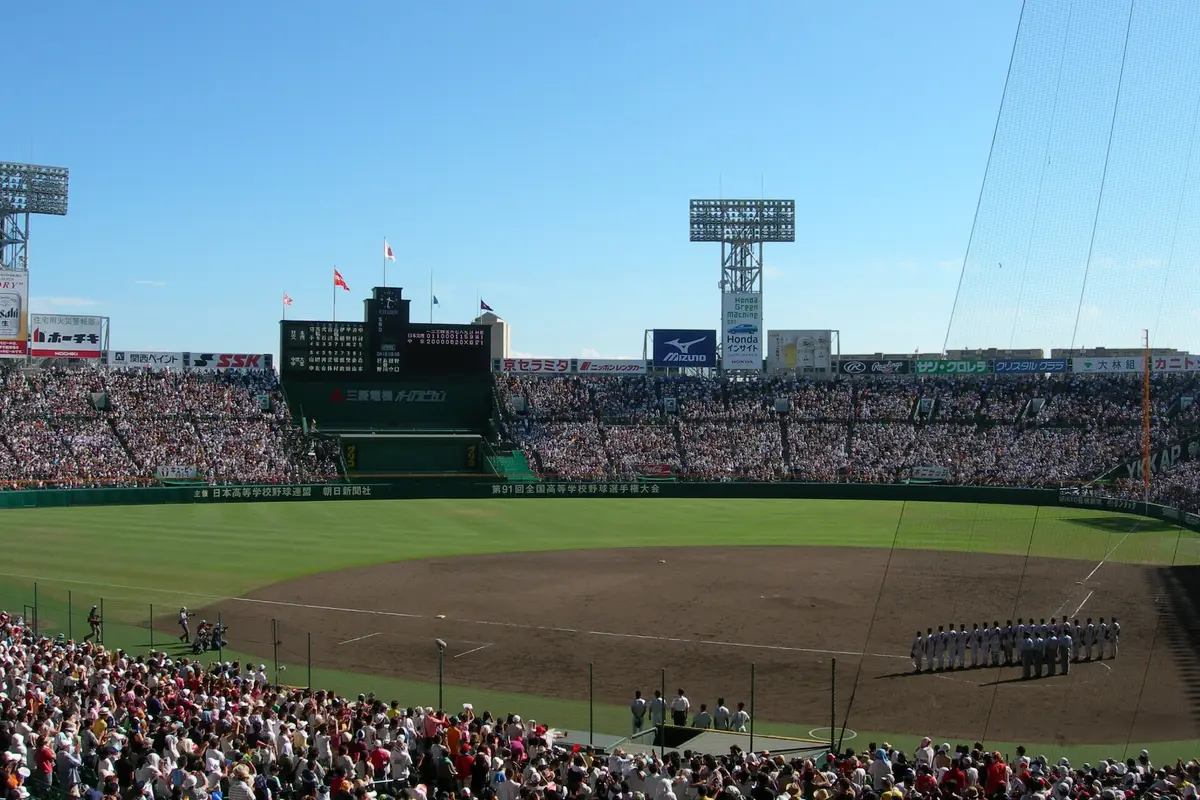
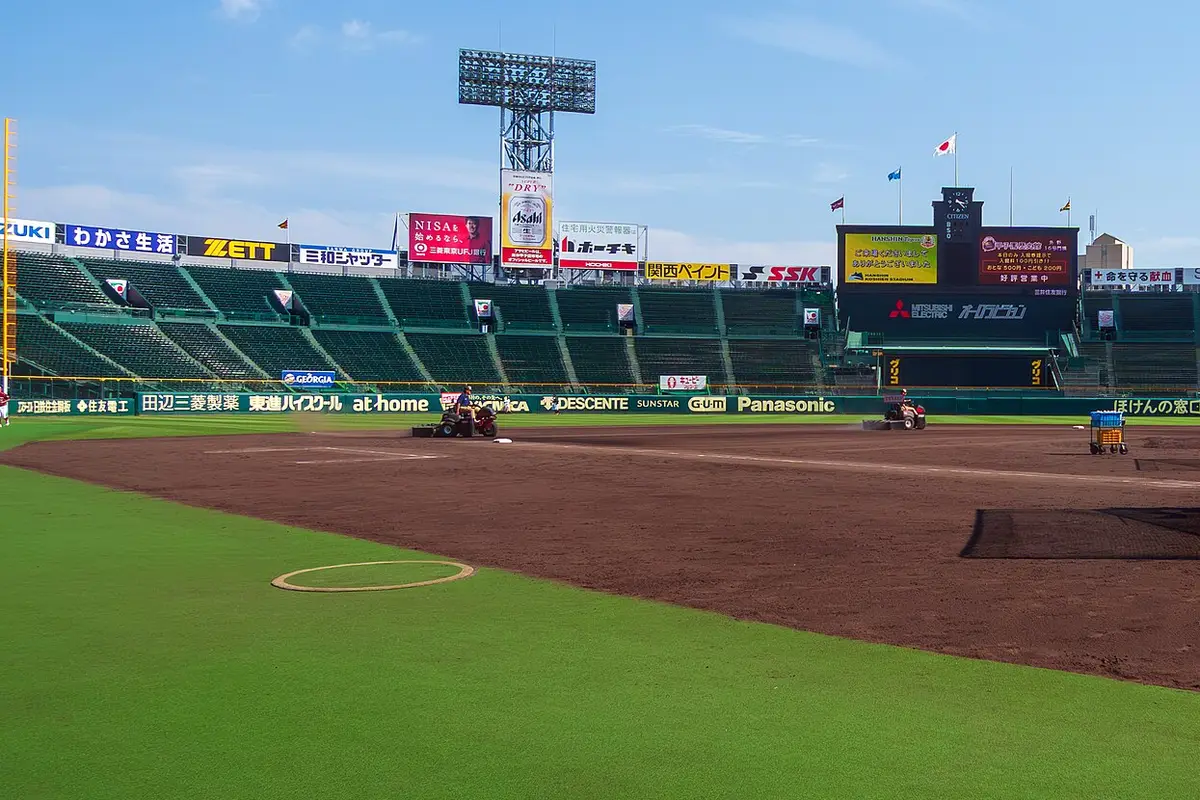
The National High School Baseball Championship, held every August at Hanshin Koshien Stadium near Osaka, is one of Japan's most emotionally charged cultural events. And what baffles most visitors is this: this isn't professional sports. These are 15-to-18-year-olds. No salaries, no agents, no career calculations. Just a single-elimination tournament where one loss ends everything, possibly forever.
We collected 353 Japanese-language opinions across five topics: why Koshien matters more than pro baseball, why adults cry watching it, which moments trigger the strongest emotions, how Japanese people feel when foreigners watch, and whether young people still care. Here's what we found.
Quick Guide
| What Visitors Often Wonder | What Japanese People Actually Say | |
|---|---|---|
| ⚾ Why not pro? | "Don't they have professional baseball teams?" | "Pro baseball is a job. Koshien is life itself. There's no 'next season' for these kids." |
| 😢 Why the tears? | "Is it normal for adults to cry at a high school game?" | "You're not watching the players. You're watching your own lost youth." 57% say the tears are natural and valued. |
| 🏟️ The moments | "What's with the dirt-scooping?" | Players collect Koshien's soil after losing, a ritual dating back to 1937. It means "I'll come back." |
| 🌏 Foreigners watching | "Would Japanese people want me to watch?" | 66% feel proud when foreigners appreciate Koshien. "The emotion transcends language." |
| 👶↔👴 Generation gap | "Do young people still care?" | It's complicated. 47% of voices say interest is fading, but viral moments like Keio 2023 prove the magic can still land. |
The one thing to understand: Koshien isn't really about baseball. It's about watching someone pour everything into something that will end, and recognizing that feeling in your own life. If you're in Japan during August, pay attention. You might understand something about Japan that guidebooks never explain.
How We Gathered These Voices
We collected 353 Japanese-language responses across five Koshien-related topics: why it matters more than pro baseball (55 responses), why adults cry (53), which moments move people most (85), how Japanese people feel about foreign interest (77), and generational differences (83). Sources include public Japanese Q&A sites, forums, and social posts, alongside news outlets and reaction blogs.
A quick note: This isn't a scientific survey. It's a collection of what real Japanese people said in their own words on public platforms. Most English-language content about Koshien explains what the tournament is. We wanted to show you why it makes an entire country emotional.
Why Koshien Hits Harder Than Pro Baseball
Here's the question visitors always ask: Japan has professional baseball, twelve well-funded teams, packed stadiums, star players who go on to MLB. So why does a high school tournament command more emotional energy than any of that?
We read what Japanese people wrote about it. Their reasons were remarkably consistent.
The Architecture of Finality
The single most-cited reason? One loss, and it's over. Forever.
1回も負けられないトーナメント戦だからでしょうね。3年生ならその1試合に3年間の努力全てが集約されることになります。全試合が日本シリーズ7戦目みたいな感じ。 It's the single-elimination format. For third-year students, every game carries the weight of three full years. Every match feels like Game 7 of the Japan Series.
プロ野球は仕事。高校野球は人生そのもの。プロの選手は来シーズンがあるけど、球児には「来年」がないかもしれない。その切迫感が見ている側にも伝わる。 Pro baseball is a job. High school baseball is life itself. Pros have next season, but for these kids, there might not be a "next year." That urgency reaches the viewer.
One analyst framed it in business terms that might resonate with visitors used to thinking about entertainment this way:
プロ野球は「サブスクリプション型サービス」に近い存在。一方甲子園は「フェス型サービス」に近い。 Pro baseball is like a subscription service. Koshien is like a festival.
Purity Over Polish
Professional players are paid to win. High school players play because they chose to, and because this is all they'll ever have.
何とかヒットを打とうと、ピッチャーを見つめる真剣な眼差し。歯を食いしばり、必死に走る姿。最後まで諦めずにボールを追いかける姿。プロにはないひたむきさがある。 The intense eyes staring down the pitcher. The clenched teeth while running with everything they've got. Chasing every ball until the very end. There's a wholehearted dedication you just don't see in pro baseball.
自分が4打席連続ホームランを打ちながら負けるよりも、自分は4打席連続三振したが試合には勝つ。彼らが望むのは後者です。 They'd rather strike out four times and win than hit four home runs and lose. They choose the latter every time.
47 Prefectures, One Stage
Professional baseball covers 12 cities. Koshien represents all 47 prefectures. When your local school makes it, your entire community becomes invested.
地元代表校の試合を見るとたとえその高校を知らなくとも郷土愛が刺激される。プロ野球のファンは選手個人につくけど、高校野球は地域全体が一つになる。 Even if you've never heard of the school, watching your prefecture's representative stirs up local pride. Pro baseball fandom is about individual players, but high school baseball unites an entire region.
甲子園の盛り上がりは確かに凄い。プロ野球全く興味ない私でも見るもん。 The excitement of Koshien is undeniable. Even I watch it, and I have zero interest in pro baseball.
The Counter-Voice: "Inspiration Porn"
Not everyone is moved. A significant minority, 27% of voices, pushes back hard.
甲子園なんて子ども使い潰す悪い大人の集まりで、感動ポルノ依存のおじおばが子どもで楽しむコロッセオだよ。 Koshien is just a colosseum where adults burn through children, and middle-aged people addicted to "inspiration porn" entertain themselves using kids.
あの子らの青春はあの子らのものだろ。そこに大人が乗っかってはしゃぐなよ。 Their youth belongs to them. Adults shouldn't be riding on it and making a party out of it.
These critical voices raise real concerns about heat safety, media exploitation, and whether a society that romanticizes teenage suffering has its priorities right. The debate itself reveals something about Japan: even a beloved institution isn't beyond questioning.
💡 Why it hits different
Pro baseball gives you 144 chances to win. Koshien gives you one. That compression, three years of effort into a single summer afternoon, is what turns a sport into something closer to a life metaphor. Japanese people aren't watching baseball. They're watching the most honest version of effort they'll see all year.
The Moments That Break You
Not all Koshien moments carry the same weight. Some are iconic. Some are invisible to casual viewers. We sorted the posts in which Japanese people named the specific moments that move them most, and together they paint a map of what Japan values.
🟤 The Dirt
After losing their final game, players kneel and scoop soil from the Koshien field into bags. This ritual dates back to 1937, when a player collected the soil as a vow: I'll come back.
自分のポジションへ行って土を取って来い。そして来年、またここへ返しに来ようじゃないか。 Go to your position and collect the dirt. And next year, let's come back to return it here.
Today, most players who scoop the dirt will never return. The gesture has evolved from a promise into a farewell, not to Koshien, but to baseball itself. Many players quit after high school. The dirt is the last thing they'll take with them.
🎵 When the Brass Band Breaks
Each school's cheering section includes a brass band in the "Alps Stand" (the student seating area). When a team is losing, you can hear the exact moment emotions overwhelm the musicians: instruments waver, notes crack, and the sound itself starts crying.
負けたチームのアルプスの楽器の音が涙声になるのがたまらん。 When the losing team's brass instruments start sounding like sobs — I can't take it.
🗣️ The Last Meeting
After the final game, the team gathers for a last meeting. The coach speaks. The captain speaks. And then, almost without exception, everyone breaks.
「甲子園なんか行かんでええねんって言ってたけど、お前らと甲子園に行きたかった」 "I told you we didn't need to go to Koshien. But the truth is — I wanted to go there with you."
One theme surfaced repeatedly: the deepest tears come not from the players themselves, but from gratitude toward teammates, coaches, and parents who made the journey possible.
🏃 Full-Out Until the Final Out
最後の1球で一塁にスライディングしたバッター、汗と土で顔がグシャグシャ。そのグシャグシャの顔に、涙の筋が見えるのがたまらん。青春だわ。 The batter who slides into first on the last pitch, face covered in sweat and dirt. Seeing tear streaks through that mess — that's youth right there.
🤝 Bowing to Everyone
In 2025, Nichidai San High School bowed not just to the opposing team, but to every section of the stadium, a gesture that went viral. Sportsmanship at Koshien isn't mandatory. It's instinctive.
負け、泣いた日々が、もはや勝ちだった。 The days of losing and crying — those were already a victory in themselves.
💡 Why these moments matter
Every moment that moves Japanese people at Koshien shares one quality: finality. The dirt won't be scooped again. The brass band won't play this song for this team again. The coach won't lead these players again. Japan has a word for this feeling: mono no aware, the bittersweet awareness that beautiful things end. Koshien is mono no aware compressed into two weeks of summer.
Why Adults Cry, And What That Says About Japan
Here's what genuinely puzzles visitors: it's not just the players crying. It's the viewers. Middle-aged office workers. Grandmothers watching from home. People with no connection to either team, who played a completely different sport in school, sitting on their couch with tears running down their faces.
"You're Not Watching the Players"
The most powerful explanation came from an essayist who wrote about the psychology of watching Koshien as an adult:
がんばる人を見ると、涙が出る。それは、がんばりの仕組みを知っているからだ。今日できた即席のがんばりではなくて、3年間、もしくは6年、10年間、積み重ねてきたものだと知っているから泣けるんだ。 Tears come when watching people give their all. Because adults understand the structure of effort. We know this isn't instant try-hard energy — it's the culmination of 3, 6, even 10 years of dedication.
And then this:
球児を見てるんじゃなくて、過去の自分を見てるんだ。 You're not watching the players — you're watching your former self.
The "Aging Into Tears" Phenomenon
Multiple voices described the same experience: not caring about Koshien in their twenties, then suddenly finding themselves crying in their thirties or forties.
甲子園で泣く年齢になってしまった。球児たちと自らの年齢が離れてきて、穿った気持ちがなくなって、純粋に感動できるようになった。 I've reached the age where Koshien makes me cry. As the gap between me and the players widens, that cynical edge fades, and I can be purely moved.
みんな息子に見えちゃって泣ける。 They all start looking like my own son, and that's when I lose it.
毎晩テレビをつけるとスポーツニュースで大々的に甲子園の特集が流れ、ご飯を食べながら見ているうちに、時々不意に嗚咽が漏れそうになる。 Every evening the sports news runs Koshien specials, and as I eat dinner watching, sometimes a sob unexpectedly rises in my throat.
The "Too Much" Camp
34% of voices think the crying is excessive, or worse, performative.
泣く奴は、自分でも理由が分かってないんじゃないのかな。ちなみに、泣いた奴でプロで成功したのはいない。 I bet the ones who cry don't even know why. By the way, none of the criers have gone on to succeed as pros.
試合が終わってないうちからベンチで泣いている選手には引いてしまいます。 I'm put off by players crying on the bench before the game is even over.
The critical voices serve as a reminder: Japan isn't monolithic. Even for something as culturally embedded as Koshien tears, there's disagreement. Some people see beauty in the emotion. Others see social pressure dressed up as sincerity.
💡 The real reason
Adults cry at Koshien because they recognize something they've lost: the ability to pour everything into one thing, knowing it will end. The tears aren't about baseball. They're about the distance between who you are now and who you were when everything felt that urgent.
When a Foreigner Watches Koshien
If you're visiting Japan in August and you find yourself watching Koshien (at a bar, in a hotel lobby, on a screen at a train station), you might wonder: is this an insider thing? Am I intruding on something?
The answer is clear: Japanese people are overwhelmingly happy when foreigners show interest in Koshien. 66% of voices expressed pride or joy.
夢に向かって頑張っている球児たちの様子は人種や国に関係なく感動を呼ぶことがわかりました。 We discovered that watching young players chase their dreams moves people regardless of race or nationality.
In 2019, director Yamazaki Emma's documentary Koshien: Japan's Field of Dreams was broadcast on ESPN, a first for an externally produced work about Japanese amateur sports.
ESPNでの放映は夢でありながら驚いた。甲子園の決勝が米国で流れる日が来るかもしれない。新たなステージの可能性を作れた。 The ESPN broadcast was a dream come true. The day may come when Koshien's final airs in America. We opened the door to a new stage.
The Anime Gateway
Many Japanese people are surprised, and delighted, to learn that foreigners discover Koshien through anime and manga like Touch, Major, and Diamond no Ace.
A Small Minority Pushes Back
8% of voices were skeptical, mostly about whether foreigners can truly understand the depth of what Koshien means, or questioning the "海外の反応" (overseas reactions) genre of content that cherry-picks positive foreign comments.
But the dominant feeling is clear: if you're in Japan during August and you find yourself moved by what you see on screen, the Japanese people around you would probably love to know.
💡 You're not intruding
If Koshien catches your attention during your August trip, lean into it. Ask the person next to you which team they're cheering for. The worst that happens is a smile. The best? You might understand Japan better than any temple visit could teach you.
The Generation Divide
Here's where it gets complicated. Koshien's emotional power is undeniable, but is it fading?
47% of voices say Koshien's grip is loosening, particularly among people under 30.
The Workplace Gap
興味がないどころか野球のルールすらよくわからない俺は、すみっこのほうで気配を殺している。 I'm not just uninterested — I don't even understand the rules of baseball. I hide in the corner trying to make myself invisible.
甲子園行きな!母校やろ!? — いやいや…暑いしテレビあるし…でもテレビすら見てない。 "Go to Koshien! It's your alma mater!" — No thanks, it's too hot, there's TV... but I don't even watch that.
Why Young People Drifted
Several structural factors emerged:
Time performance. Z-generation viewers prefer highlights over three-hour games. The concept of taipa (time performance: getting maximum value from minimum time investment) doesn't align with watching every pitch.
Buzz cuts. The tradition of mandatory shaved heads for baseball players, while fading, still deters some young people in an era that values individual expression.
The chain broke. Parents who grew up with the J-League (professional soccer, founded 1993) don't pass baseball culture to their children the way previous generations did.
高校野球に全く無知で興味のない若者ですがなぜお年寄りや関係者は甲子園にあそこまでこだわるのでしょうか?別に他の会場でもいいのでは。 I'm a young person with zero knowledge of or interest in high school baseball. Why do older people obsess over Koshien? Any other venue would work fine.
But Then: Keio 2023
In 2023, Keio High School reached the Koshien final with a radical approach: no buzz cuts, an "Enjoy Baseball" philosophy, and a celebratory style that went viral on TikTok and Instagram. Young people who'd never watched Koshien tuned in. The moment proved that when the institution evolves, new audiences follow.
The Deeper Pattern
甲子園は高校生のスポーツを興行化した結果の産物。でもその興行があまりにも長く続いたから、もう文化そのものになってしまった。良い悪いの判断を超えている。 Koshien is the product of commercializing high school sports. But the spectacle has lasted so long that it has become culture itself. It's beyond judgments of good or bad now.
The generation gap is real, but it may say less about Koshien and more about how all traditions negotiate with modernity. The emotion doesn't disappear. It just needs new forms to carry it.
If You're in Japan During August
You don't need to be a baseball fan to experience Koshien. Here's how to connect with it:
Watch. NHK broadcasts every game live. No subscription needed. Turn on the TV in your hotel room during the day, and you'll find it. If you're near Osaka, you can attend games at Koshien Stadium itself (tickets are available at the gate for most games).
Listen. The brass band music is half the experience. Each school has signature songs, and the Alps Stand cheering is unlike anything in professional sports.
Ask. If someone near you is watching intently, ask which team they're supporting and why. Regional pride runs deep. You might get a story about a cousin who played, a school down the road, or a memory from decades ago.
Notice the silence. When a pivotal moment happens (a final pitch, a diving catch, a player's last at-bat), watch the people around you. The collective holding of breath in a Japanese room during a Koshien moment is something you'll remember.
The summer festivals and Obon that happen around the same time are the visible face of August in Japan. Koshien is the emotional undercurrent: quieter, but just as powerful.
Share Your Koshien Moment
Have you ever watched Koshien, or any high school sports event, and felt something unexpected? We'd love to hear about it.
Sources
Japanese Voices (Public Platforms)
- Public Japanese Q&A sites, forums, and social posts: first-hand opinions on high school baseball, Koshien, and why it moves people
Essays and Analysis
- 晶文社スクラップブック: "高校野球を見ると泣いてしまう大人たち" https://s-scrap.com/8851
- Public Japanese Q&A sites, forums, and social posts: personal essays on why Koshien and high school baseball move people to tears
Critical Perspectives
- REAL SPORTS: "泣き崩れる球児を美化する愚" https://real-sports.jp/page/articles/371925860602610710/
- cyzowoman: "高校野球は感動ポルノ?" https://cyzowoman.jp/2021/08/post_298971_4.html
Foreign Coverage and Reactions
- THE ANSWER: Yamazaki Emma interview on ESPN documentary https://the-ans.jp/column/122825/3/
- Number Web: Koshien dirt-scooping origin https://number.bunshun.jp/articles/-/849563
Generation Gap Data
- J-CAST: Workplace Koshien generation gap https://www.j-cast.com/kaisha/2015/08/13242482.html
- PRESIDENT Online: Viewership trends
- VALUES Manamina: Youth entertainment consumption data
- 週刊女性PRIME: Keio High School's Maruta Minato and the non-buzz-cut "Enjoy Baseball" style that went viral among younger viewers during the 2023 Koshien tournament https://www.jprime.jp/articles/-/29011?display=b
Background
- Koshien Stadium official site: https://www.hanshin.co.jp/koshien/
- Japan High School Baseball Federation: https://www.jhbf.or.jp/
Note on Quotations
Quotes from online platforms have been lightly edited for readability (fixing typos, formatting for clarity). The meaning and intent of each comment remain unchanged. Original sources are linked above.
WMJS is written in Japan, in English, with AI help. We check every page, but English is not our first language. If a sentence reads oddly, tell us. One sentence is enough.
Thank you. A person reads every note.
How well do you know Japan?
Built from 635 public posts by Japanese people
Want to know more? Ask Japanese people
Have a follow-up question about this topic? We'll ask real Japanese people.
Voice Box →