

Điều khiến người Nhật mỉm cười
This page is also available in English.Read in English →
このページは日本語でも読めます。日本語で読む →
이 페이지는 한국어로도 읽을 수 있습니다.한국어로 읽기 →
這個頁面也有繁體中文版。閱讀繁體中文版 →
这个页面也有简体中文版。阅读简体中文版 →
หน้านี้มีภาษาไทยด้วยอ่านภาษาไทย →
Halaman ini juga tersedia dalam Bahasa Indonesia.Baca dalam Bahasa Indonesia →
Cette page existe aussi en français.Lire en français →
Diese Seite gibt es auch auf Deutsch.Auf Deutsch lesen →
Esta página también está disponible en español.Leer en español →
Questa pagina è disponibile anche in italiano.Leggi in italiano →
Phương bắc yên ắng của Nhật Bản, đọc theo cách Bashō đã đọc nó: Sendai và vịnh biển đã khiến ông lặng câm, một ngôi chùa trên núi và một đêm onsen thời Taishō, những phế tích vàng son của Hiraizumi, và xứ thành cổ cực bắc, chậm rãi, và theo mùa
Xác minh lần cuối: 2026-06-28
Kế hoạch này hợp với ai
The season makes the trip: late April for Hirosaki's blossom (weeks after Kyoto's), early August for the great festivals you can join, mid-to-late October for the Towada-Oirase foliage, and December to February for Ginzan's gaslit snow and Zaō's frost-trees.
Tohoku chính là phần đất mà người ta gọi là phương bắc thẳm sâu: vùng quê dài rộng và thưa thớt phía trên Tokyo, nơi thi sĩ Bashō đã đi bộ qua vào năm 1689 rồi biến thành một áng văn kinh điển của tiếng Nhật, Oku no Hosomichi, 'Con đường hẹp lên phương bắc thẳm sâu.' Và có một điều đáng biết trước khi bạn lên đường: Tohoku rất yên ắng. Sau sự dày đặc của Tokyo hay Kyoto, phản ứng đầu tiên có thể là 'chỉ có vậy thôi sao?', một vịnh biển với những hòn đảo thông nhỏ, một ngôi chùa trên đỉnh một dãy bậc đá dài, một con phố ngắn với những quán trọ cổ, một điện vàng mà bạn thậm chí không được chụp ảnh. Nhưng chính sự yên ắng ấy mới là tất cả ý nghĩa, và Bashō là bằng chứng. Ông lên phương bắc không phải để đánh dấu các điểm tham quan mà để cảm nhận những điều mà ngôn từ khó lòng nắm giữ trọn vẹn: một vịnh biển đẹp đến mức khiến ông á khẩu, thảm cỏ mọc lên trên một kinh đô vàng son đã biến mất, sự tĩnh lặng trên một sườn núi mà ông nén lại thành một câu thơ bất hủ. Bạn có thể đọc Tohoku theo cách của ông, chậm rãi, mỗi ngày một điều, vì dấu vết và mùa hơn là vì cảnh tượng, và cái phương bắc 'trống rỗng' ấy, với tôi, hóa ra lại là phần dễ đọc hiểu nhất của Nhật Bản. Ở đây gần như chẳng có gì là hoang dã cả: những hòn đảo thông đều được tỉa tót, cây cối của thành phố là do người trồng, vàng được dát lên từng lá một, con phố cổ được luật pháp gìn giữ nguyên vẹn, tòa thành thì được dời đi theo đúng nghĩa đen. Đó là một chốn hoang sơ được chăm chút, và chính sự chăm chút ấy mới là ý nghĩa.
Hình dáng của nó dịu dàng hơn những gì tấm bản đồ gợi ra. Gần như mọi thứ đều tỏa ra từ Sendai, thủ phủ xanh mát chỉ cách Tokyo một chặng tàu dễ chịu về phía bắc, và từ đó Tohoku kéo về hai hướng: tây vào những ngọn đồi Yamagata để đến ngôi chùa trên núi của Bashō và một đêm suối nước nóng lung linh ánh đèn, và bắc dọc theo trục xương sống Shinkansen, xuyên qua những phế tích vàng son của Hiraizumi để đến thị trấn thành cổ Hirosaki ở tận cùng phương bắc và những hồ nước xa hơn nữa. Nếu là tôi, tôi sẽ giữ đây như một khung năm ngày đi lên phương bắc rồi thoát ra ở đầu tận cùng: quay xuống nam về lại Tokyo, hoặc đi tiếp dưới lòng biển sang Hokkaido. Điều duy nhất tôi sẽ quyết trước không phải là nơi nào mà là lúc nào, bởi hơn hầu hết mọi nơi ở Nhật Bản, mùa thay đổi chính bản chất của Tohoku: một mùa hoa anh đào cuối tháng Tư đến đây hàng tuần sau khi hoa Kyoto đã tàn, những đêm tháng Tám của các lễ hội khổng lồ mà bạn không đứng xem mà hòa vào, một mùa lá đỏ rực cháy giữa tháng Mười ở các hẻm núi phương bắc, và một xứ tuyết sâu với những con phố thắp đèn ga và những cánh rừng khắc băng từ tháng Mười Hai. Tôi sẽ trải ra cách tôi sẽ di chuyển, nơi tôi sẽ ngủ lại, những đoạn quay đầu thành thật nằm ở đâu, và mùa làm biến đổi tất cả ra sao, để bạn có thể tháo rời nó ra và dựng lại quanh chính những ngày của mình.
Ngủ lại nơi nào ở Tohoku thực chất là câu hỏi làm sao chia một vùng đất rộng và vắng hơn những gì tấm bản đồ đường sắt phô ra, nhưng địa lý có một điểm neo hiển nhiên và một điểm kết thúc hiển nhiên.
Sendai là điểm trung tâm, và đó là nơi tôi sẽ bắt đầu. Đây là cửa ngõ phía nam của Tohoku và là thành phố mà mọi tuyến đều đi qua: trục xương sống Shinkansen, tuyến địa phương ra vịnh Matsushima, tuyến lên núi về phía tây tới Yamadera đều khởi hành từ Ga Sendai, nên hai đêm đầu tiên thuộc về nơi này, dùng chính thành phố và vịnh biển làm những chuyến đi trong ngày. Đây cũng là thành phố ấm áp nhất, xanh nhất, bình thường theo nghĩa dễ chịu nhất của cả chuyến đi, một nơi dễ đặt chân xuống trước khi vào phương bắc yên ắng.
Rồi đến phần thành thật, cùng một hình dáng mà Hokkaido có: từ Sendai vùng đất kéo về hai hướng ngược nhau. Những ngọn đồi Yamagata, gồm Yamadera và Ginzan Onsen, nằm ở phía tây; Hiraizumi và cực bắc thì ở trên trục Shinkansen. Bạn không thể luồn thẳng cánh phía tây vào chặng phía bắc mà không quay lại qua khu vực Sendai-Yamagata trước, nên tôi xem phía Yamagata như một vòng đi về phía tây rồi trở lại, và chỉ sau đó mới đi lên bắc. Đêm duy nhất tôi giữ chắc là ở Ginzan Onsen: đó là một thị trấn tí hon, bạn phải đặt phòng sớm, và toàn bộ phép màu của nó (những ngọn đèn ga bừng lên trên dòng sông, tuyết nếu là mùa đông) thuộc về khách qua đêm sau khi chuyến buýt của du khách trong ngày cuối cùng đã rời đi. Ghé Ginzan trong ngày là bỏ lại đúng buổi tối mà thị trấn được yêu mến.
Những đêm cuối thuộc về cực bắc: Aomori nếu bạn đến vì Nebuta hay những hồ nước (bảo tàng lễ hội ngay cạnh nhà ga), hoặc Hirosaki cho thị trấn thành cổ, một chặng tàu nhanh ngắn xa hơn chút. Từ trên này chuyến đi kết thúc một cách tự nhiên: quay xuống nam về Tokyo, hoặc đi tiếp dưới lòng biển sang Hokkaido. (Trong các điểm dừng trên tuyến này, bốn nơi có cẩm nang WMJS đầy đủ, gồm Sendai-Matsushima, Ginzan, Hiraizumi và Hirosaki, và tôi liên kết những nơi đó; Yamadera, Aomori và các hồ Towada-Oirase tôi nêu tên một cách thành thật thay vì liên kết, vì cẩm nang của chúng chưa được viết.)
Tohoku vận hành nhờ Tohoku Shinkansen, và với chuyến đi này tuyến ấy chính là trục xương sống: nó đưa bạn từ Tokyo đến Sendai, đi tiếp tới Ichinoseki để đến Hiraizumi, và lên tận Shin-Aomori ở đầu cực bắc đảo Honshu, với các chuyến tàu địa phương và một vài chuyến buýt vùng quê lấp vào hai cánh. Những chuyến tàu nhanh nhất (Hayabusa) đặt chỗ toàn phần, không có ghế tự do, nên với những chuyến đó bạn phải giữ chỗ trước; chuyến Yamabiko hơi chậm hơn thì vẫn giữ toa ghế tự do (chi tiết trong các ô dữ kiện).
Một điều cần hiểu trước khi bạn quẹt thẻ: Tohoku không phải là chốn quẹt-là-đi như Tokyo. Thẻ IC như Suica chỉ dùng được trong từng vùng riêng, quanh Sendai và trên vài đoạn ở cực bắc, và bạn không thể đi thẳng bằng thẻ giữa hai vùng tách biệt, nên cửa soát vé sẽ chặn bạn lại nếu điểm quẹt vào và quẹt ra nằm ở hai khu khác nhau. Riêng cánh Yamagata, gồm tuyến ra Yamadera và chiếc buýt mũi tròn nhỏ lên Ginzan Onsen, là xứ tiền mặt và vé giấy, và chiếc buýt Ginzan đó hoàn toàn không nhận thẻ. Chẳng có gì khó cả; nó chỉ có nghĩa là mang theo chút tiền mặt và thi thoảng mua vé giấy, điều này giúp bạn tránh lúng túng ở một cửa soát vé vùng quê. Có một loại vé đường sắt theo vùng có thể hợp lý cho một lộ trình dài thế này, nhưng vé khu vực Tohoku vừa được thay đổi gần đây, nên tôi sẽ tra giá vé JR East Pass hiện hành trên trang chính thức thay vì tin vào một con số cũ (ô dữ kiện).
Bạn không cần thuê xe. Trục xương sống và hai cánh phủ hết mọi điểm trên lộ trình này bằng tàu và đôi chuyến buýt; nơi duy nhất mà bánh xe có ích là lang thang trên những con đường nhỏ Towada-Oirase, mà ngay cả ở đó cũng có một chuyến buýt theo mùa chạy qua hẻm núi.
Một điều bạn sẽ cảm nhận chứ không nhìn thấy: Tohoku vận hành theo một nhịp khác. Tàu thưa hơn một chút, các thị trấn lặng hơn một chút, khoảng cách dài hơn một chút, và sự chậm rãi ấy là chất liệu của nơi này, chứ không phải một khiếm khuyết. Bashō mất năm tháng để đi bộ qua chặng mà bạn sẽ đi bằng tàu trong năm ngày; điều tối thiểu bạn có thể làm là đừng hối hả những phần vốn được sinh ra để tĩnh lặng.
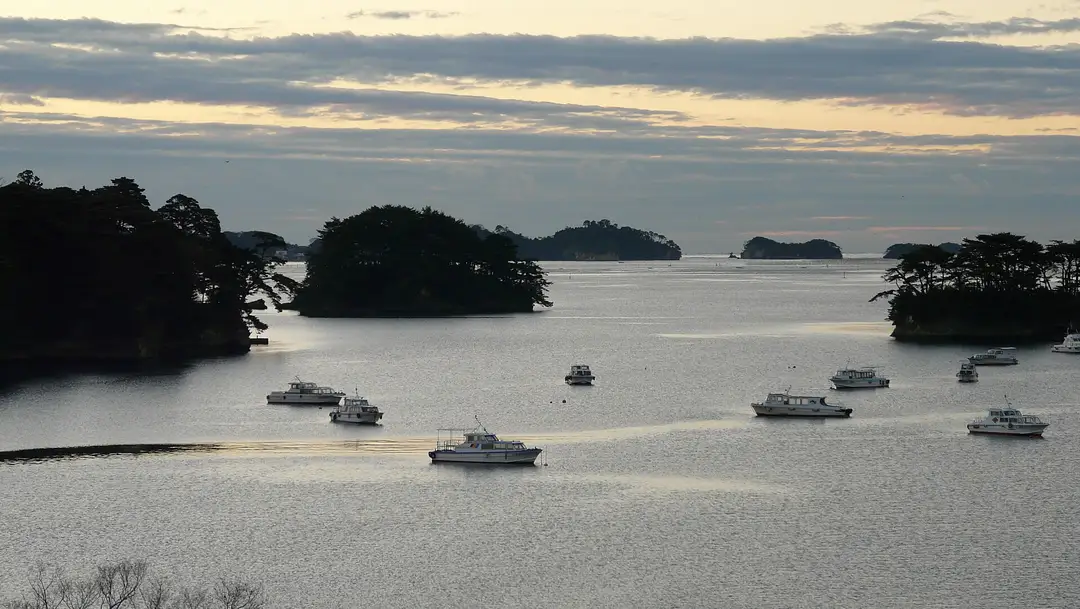
Nếu là tôi, tôi sẽ dành ngày đầu cho Sendai và Matsushima, cửa ngõ phía nam dịu dàng của phương bắc thẳm sâu, và cho bài học đầu tiên của chuyến đi, rằng ở trên này ngay cả cái đẹp cũng là thứ do con người làm ra. Sendai là Mori no Miyako, Thành phố của Cây: những đại lộ rợp bóng của nó là một thói quen bốn trăm năm do lãnh chúa Date Masamune khởi xướng, bị thiêu rụi năm 1945 rồi được trồng lại một cách có chủ đích, nên màu xanh bạn đi dưới đó là một thành phố mọc lại có mục đích. Rồi ra vịnh Matsushima, một chùm những hòn đảo lấm chấm thông từ lâu được xếp vào Tam Cảnh Nhật Bản, và là nơi mà, nổi tiếng thay, đã khiến Bashō không viết nổi một chữ. (Câu thơ ngắn mà du khách hay đọc ở Matsushima thậm chí chẳng phải của ông; lời tôn vinh thật sự chính là sự im lặng của ông.) Người khách qua đường liếc nhìn những hòn đảo từ bờ nước đông đúc rồi nghĩ 'đẹp đấy, nhưng nhỏ.' Bí quyết là lên mặt nước và trèo lên một điểm nhìn trên đồi, nơi vịnh biển mở ra trọn vẹn, và rồi, như thi sĩ, chỉ ngồi ngắm.
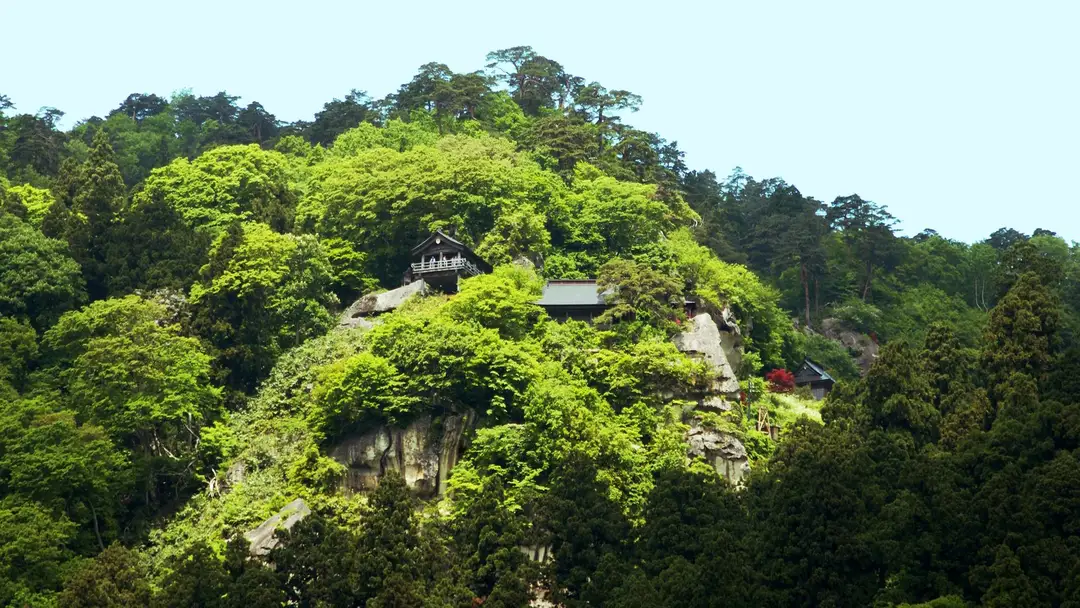
Hôm nay chuyến đi rẽ về phía tây vào những ngọn đồi Yamagata, và tôi xin thành thật rằng đây là một vòng bạn sẽ phải quay lại, nhưng đó cũng là vòng mà chính Bashō đã đi, rẽ khỏi con đường phương bắc để vào rặng núi Dewa, nên nó là một phần đích thực của hành trình chứ không phải một khúc đường vòng lạc lối. Buổi sáng là Yamadera (Risshaku-ji), một ngôi chùa được đính lên vách đá: một chặng trèo đá dài, nơi mà theo tu tập trên núi thuở xưa, chính sự leo lên mới là điều cốt lõi, và sự tĩnh lặng trên đỉnh là đúng cái tĩnh mà Bashō bắt được trong câu thơ được trích dẫn nhiều nhất của ông, shizukasa ya iwa ni shimiiru semi no koe, tiếng ve ngấm vào đá. Buổi chiều đưa bạn tới Ginzan Onsen, và ở đó đêm chính là toàn bộ phần thưởng: một con phố suối nước nóng bằng gỗ được gìn giữ đúng như một thế kỷ trước, mà những ngọn đèn ga, và vào mùa đông, tuyết rơi, thuộc về những người ở lại sau khi du khách trong ngày đã bắt chuyến buýt cuối xuống núi.
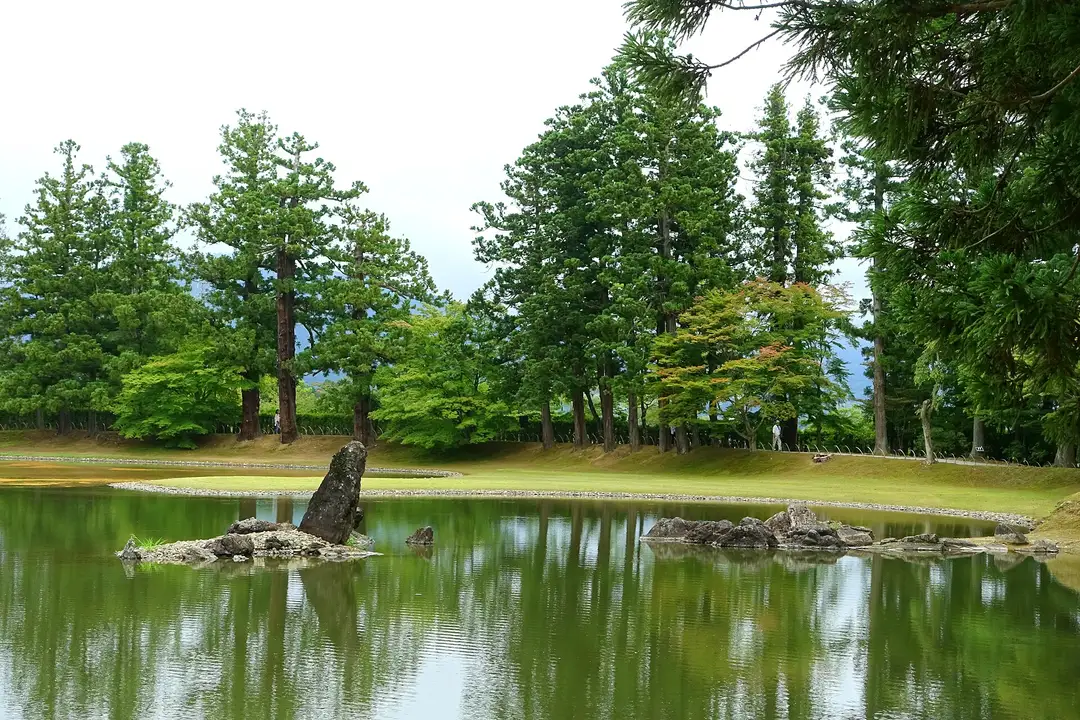
Quay lại trục xương sống và lên bắc vào Iwate, và tôi sẽ không giả vờ rằng buổi sáng không nhọc nhằn di chuyển, bởi để nối lại vào Shinkansen từ sâu trong Yamagata nghĩa là vòng ngược lại con đường bạn đã đi. Tôi chưa một lần nào hối tiếc chặng quay đầu ấy. Hiraizumi từng là kinh đô của một thời hoàng kim phương bắc trỗi dậy, chói lòa, rồi biến mất trong vòng một thế kỷ, và những gì còn lại là một cảnh quan Phật giáo Tịnh Độ được UNESCO công nhận, thiên đường dựng trên mặt đất. Konjikidō của Chūson-ji là hàng thật: một điện được dát vàng cả trong lẫn ngoài vào năm 1124 để an ủi những người ngã xuống trong chiến trận 'dù là bạn hay thù,' công trình thực sự của thế kỷ mười hai, chứ không phải một bản dựng lại thời hiện đại như điện vàng của Kyoto. Mōtsū-ji gìn giữ một khu vườn thời Heian được bố trí như một tấm bản đồ thiên đường quanh một mặt hồ tĩnh lặng. Và đây là mảnh đất nơi Bashō đứng giữa những phế tích và viết nên lời than mà một nửa nước Nhật có thể đọc thuộc, natsugusa ya tsuwamonodomo ga yume no ato, thảm cỏ hè, tất cả những gì còn sót lại của những giấc mộng chinh chiến. Đó là nửa còn lại của bức song họa Ngày 1: cái đẹp đang sống khiến ông lặng câm ở kia; cái đẹp đã mất trao cho ông lời chữ.
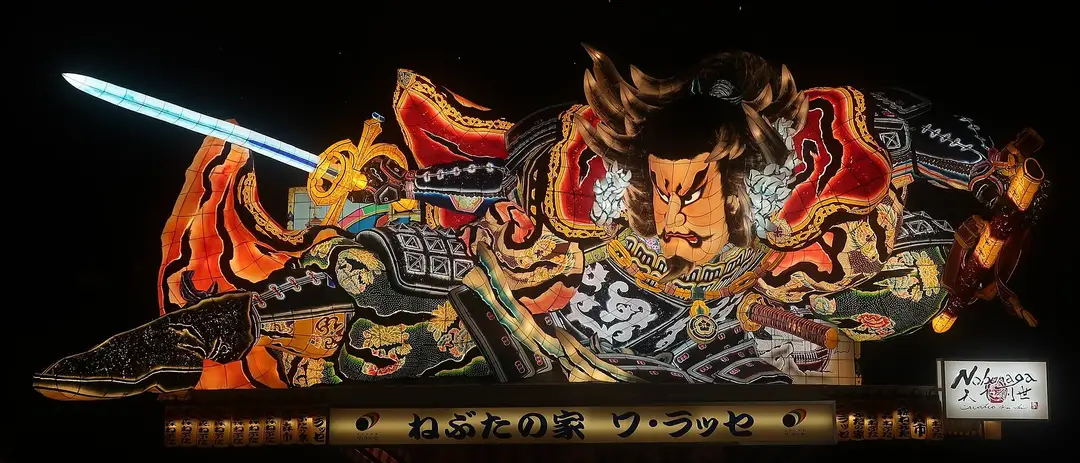
Giờ đi lên theo trục xương sống tới tận đỉnh cùng của Honshu, nơi phương bắc thẳm sâu phô ra hai gương mặt. Thành Hirosaki phơi bày sự tạo tác của mình rõ hơn bất cứ thứ gì khác trong chuyến đi: tháp thành nguyên gốc duy nhất còn đứng vững trong toàn Tohoku, và là một công trình đã dành bốn thế kỷ để được làm lại. Nó cháy, trở lại nhỏ hơn vào năm 1810 như một tháp canh khiêm nhường mà Mạc phủ cho phép, và ngay lúc này đang giữa kỳ trùng tu, tòa tháp nhỏ được nhấc cả khối ra khỏi bệ đá trong khi bức tường bên dưới được xây lại từng viên một. Những cây anh đào của nó được trồng bởi chính những gia thần đã mất tòa thành, và được giữ cho dày gấp bội nhờ một mẹo tỉa cành mượn từ những vườn táo; vào cuối tháng Tư chúng nằm trong số những chùm hoa muộn nhất và dày nhất cả nước. Gương mặt còn lại là Aomori và Nebuta, lễ hội tháng Tám mà bạn không đứng xem sau một hàng rào chắn mà bước thẳng vào, nhảy múa bên những cỗ kiệu đèn khổng lồ trong vai một haneto hóa trang. Dù bạn đến vì gương mặt nào, bài học vẫn đúng: ở trên này, thứ bạn nhớ được là do người làm ra, và vẫn đang được vá lại.
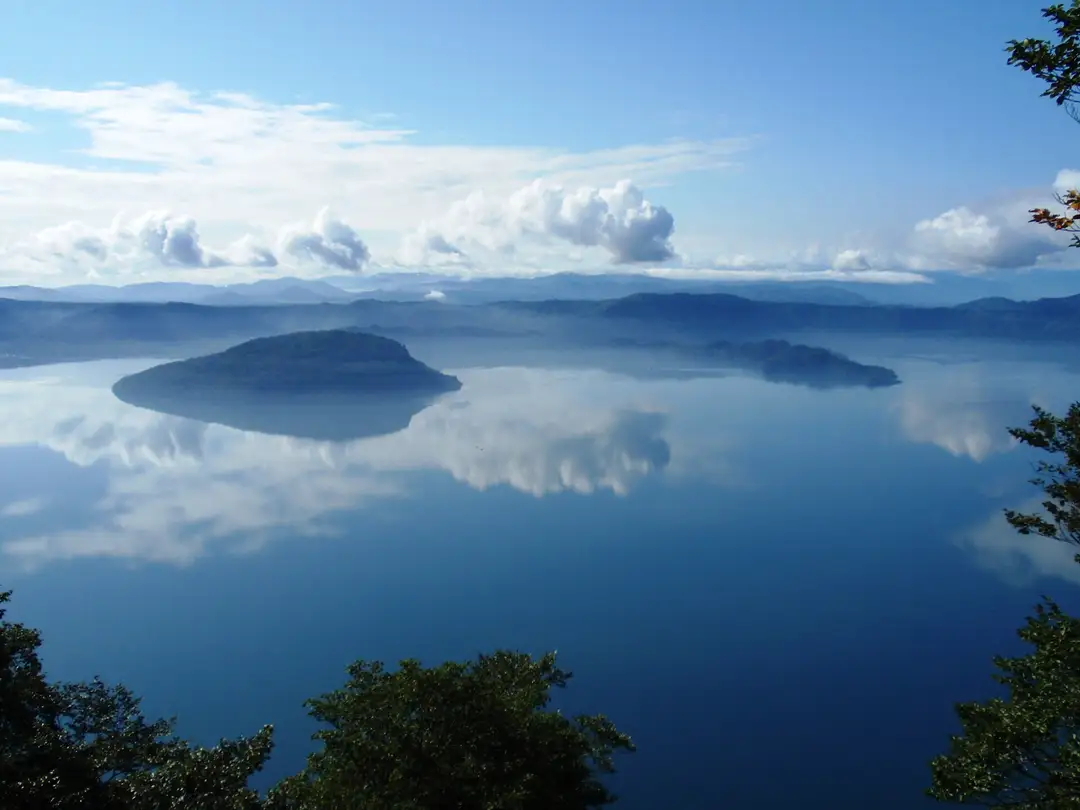
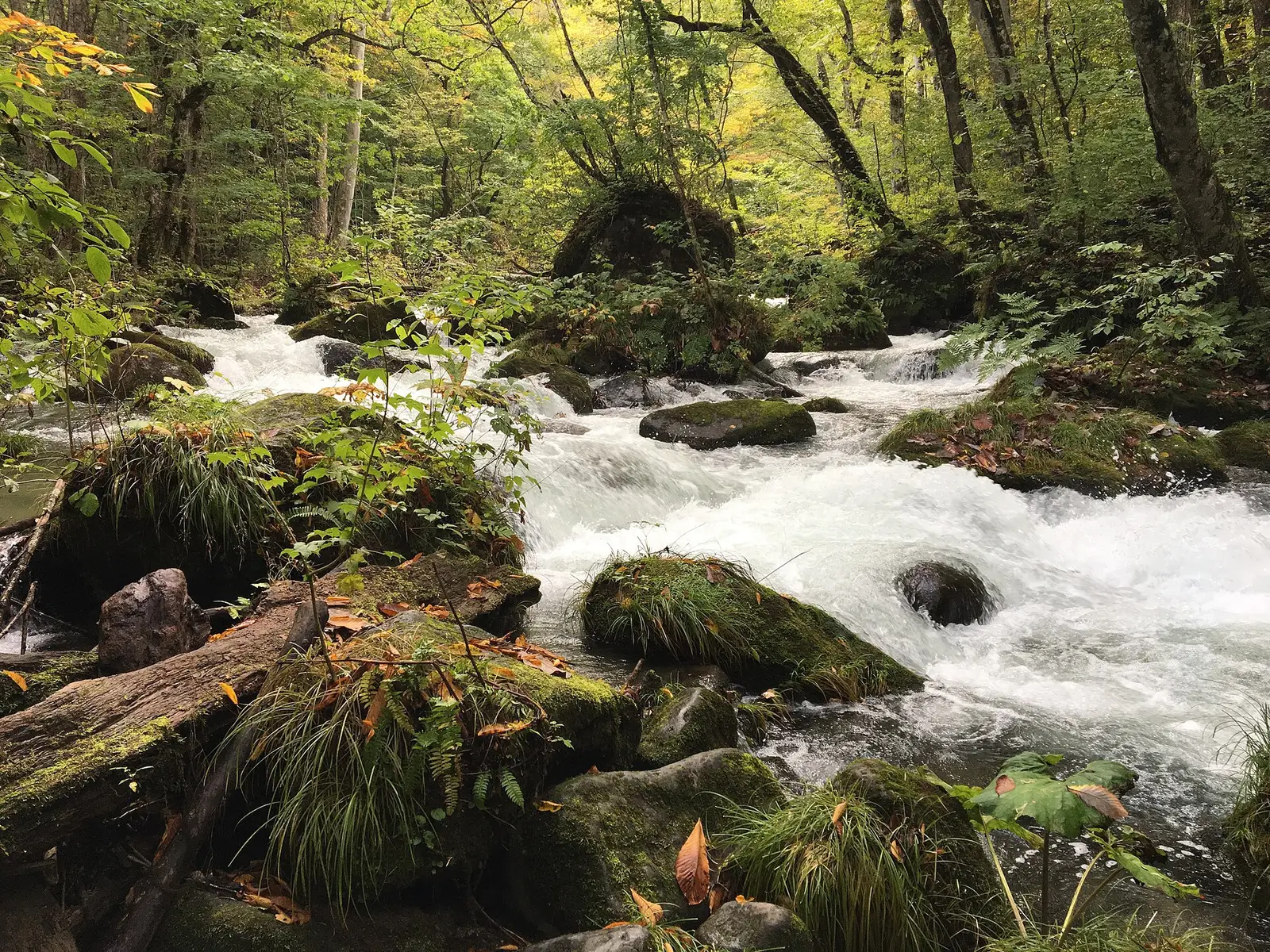
Màn kết là một mùa cũng nhiều như một địa điểm. Từ Aomori, một chuyến buýt theo mùa trèo qua những đèo Hakkōda và thả bạn xuống Hẻm núi Oirase, một dòng suối với thác nước và đá phủ rêu mà bạn đi dọc theo trên một lối gỗ bằng phẳng bên mặt nước, rồi đến Hồ Towada, một hõm núi lửa sâu và tĩnh lặng. Hãy đến vào giữa đến cuối tháng Mười và hẻm núi chuyển màu hàng tuần trước Kyoto, bởi nó ở phương bắc và trên cao; cái 'hồ lớn và một dòng sông êm ả' mà nếu đến nhầm tháng có thể khiến bạn hụt hẫng, sẽ trở thành một đường hầm sắc màu nếu đến đúng tháng. (Chuyến buýt chỉ chạy nửa năm ấm; vào mùa đông sâu hẻm núi đóng cửa, và tuyết của Tohoku khi ấy thuộc về Ginzan và những cây băng của Zaō trên cánh Yamagata.) Rồi chuyến đi chẳng cần phải dừng lại: từ đỉnh cùng của Honshu bạn có thể rẽ xuống nam về nhà, hoặc đi thẳng tiếp dưới lòng biển.
Tohoku tưởng thưởng cho những ngày dôi ra, bởi vùng đất rộng lớn và cám dỗ hối hả là kẻ thù thực sự duy nhất. Vài hướng đi, không hướng nào là 'đúng' cả.
Hãy dành cho Matsushima một ngày thong thả riêng. Thay vì ghép nó với Sendai, hãy dành một buổi sáng cho chính vịnh biển, một chuyến du thuyền dài hơn, những chiếc cầu nhỏ sơn đỏ ra đảo Fukuura, bốn điểm ngắm trên đồi kinh điển, và để nơi đã khiến một thi sĩ lặng câm có được khoảng thời gian mà nó cần.
Mùa đông trên cánh Yamagata. Nếu bạn đến vì tuyết, hãy thêm những quái vật tuyết Zaō, những cây lá kim bị mây gió phủ dày thành những gã khổng lồ trắng, đến được bằng cáp treo phía trên Yamagata và thắp sáng về đêm, to nhất vào khoảng tháng Hai. Đó là một thứ nữa mà phương bắc làm ra, chỉ có điều ở đây kẻ tạo tác là thời tiết thay vì một lãnh chúa hay một thi sĩ, và nó ghép rất tự nhiên với một đêm Ginzan thứ hai.
Tuần các lễ hội lớn. Vào đầu tháng Tám, sáu thủ phủ tỉnh tổ chức các lễ hội đặc trưng của mình chỉ cách nhau vài ngày, gồm Nebuta ở Aomori, Kantō ở Akita, Sansa Odori ở Morioka, Tanabata ở Sendai, nay được nhóm chính thức thành lễ hội Tōhoku Kizuna (sợi dây gắn kết), khởi đầu năm 2011 để tưởng niệm những sinh mạng đã mất trong trận động đất và thổi bùng lại tinh thần của vùng đất. Chúng dồn vào tuần đi lại Obon, nên tàu và quán trọ được đặt kín từ rất sớm, nhưng đi lễ hội khắp phương bắc là được thấy nó vào lúc sống động nhất.
Sâu hơn về nam, hoặc sâu hơn vào Bashō. Nam Tohoku thêm Aizu-Wakamatsu, thị trấn thành cổ của samurai từng là thành trì lớn cuối cùng của trật tự cũ trong cuộc nội chiến 1868 (tháp Tsuruga của nó đội những viên ngói đỏ đặc trưng, hiếm thấy ở Nhật Bản). Và người mê Bashō trọn vẹn có thể theo Con đường hẹp đi tiếp về tây, một chuyến thuyền xuôi sông Mogami, những ngọn núi hành hương khổ tu Dewa Sanzan, tới nơi thi sĩ rẽ về phía Biển Nhật Bản.
Nếu thời gian eo hẹp, điều tử tế là giữ lại nửa phía nam và để cực bắc chờ dịp khác. Sendai và Matsushima cùng Hiraizumi là một hành trình gọn gàng hai đến ba ngày từ một điểm ở Sendai duy nhất, cả hai đều là những chặng ngắn trên tuyến, không dính đoạn quay đầu Yamagata nào, và nó chứa trọn ý tưởng của cả chuyến đi thu nhỏ: vịnh biển đã khiến Bashō lặng câm, và thảm cỏ đã trao cho ông lời than, hai nửa của một bức song họa. Nếu điều gọi bạn là suối nước nóng, hãy ghép Sendai và Matsushima với cánh Yamadera-và-Ginzan rồi bỏ qua phương bắc. Mỗi nửa đều là một chuyến đi thực sự; cực bắc và những hồ nước để dành cho lần sau. Tôi thà bạn ngắm một nửa thật chậm còn hơn hối hả cả chặng.
Tohoku là khúc giữa chậm rãi của dải đất dài xuôi khắp Nhật Bản, và nó nối vào cả hai đầu. Về nam, Sendai chỉ cách Tokyo chừng chín mươi phút, nên cả vùng gắn khớp gọn ghẽ vào một chuyến đi Kanto, hoặc vào các cung đường hoa xuân và lễ hội hè leo dần khắp đất nước theo mùa. Về bắc, kể từ khi Shinkansen vươn tới Hokkaido, Shin-Aomori khớp thẳng dưới Eo biển Tsugaru sang Hakodate trong khoảng một tiếng (ô dữ kiện), nên bạn có thể đi thẳng tiếp vào một chuyến đi Hokkaido mà không hề phải quay đầu. Nếu là tôi, tôi sẽ xem Tohoku như phần của một hành trình dài hơn, nơi cuối cùng bạn chậm lại, từ bắc xuống nam, cả chiều dài thong thả của đất nước.
WMJS được viết tại Nhật Bản bởi một người Nhật mong bạn hiểu Nhật Bản thêm một chút, và được chuyển sang tiếng Việt với sự trợ giúp của AI. Chúng tôi kiểm tra từng trang, nhưng tiếng Việt không phải tiếng mẹ đẻ của chúng tôi. Nếu có câu nào đọc thấy lạ, hãy cho chúng tôi biết. Một câu là đủ.
Cảm ơn bạn. Mỗi góp ý đều có người đọc.
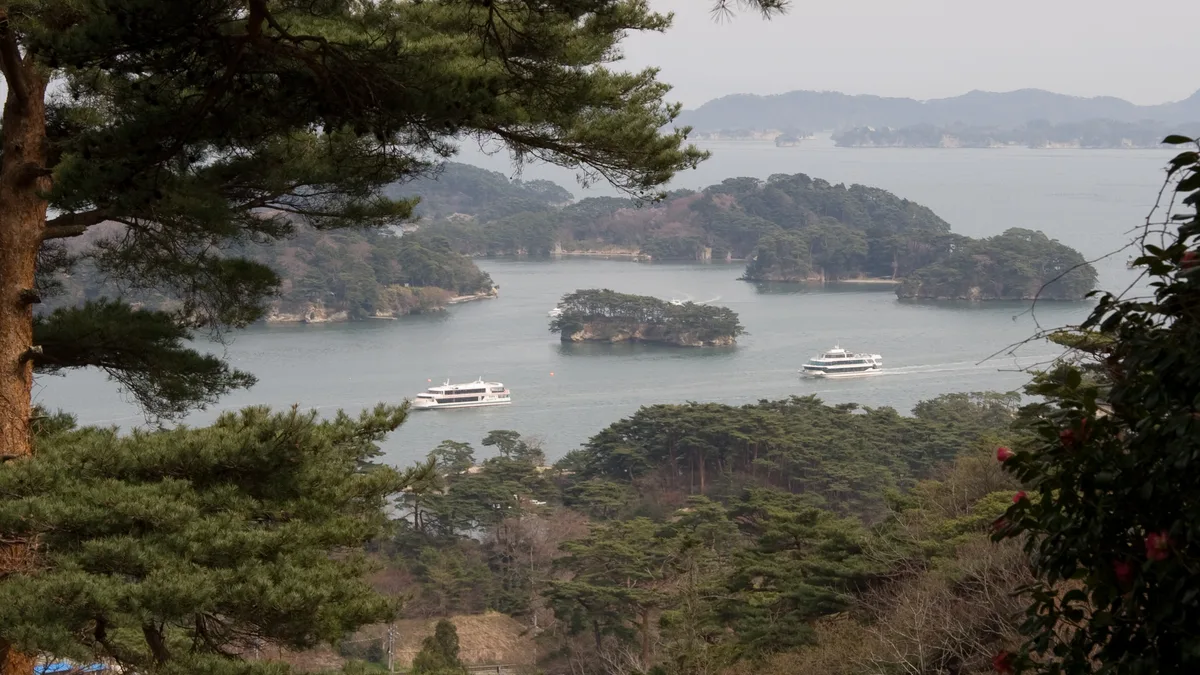
Matsushima có đáng ghé thăm từ Sendai không? Chúng tôi đã tổng hợp 49 ý kiến du khách: 71% nói đáng đi, còn người Nhật chấm vịnh cao hơn nữa, ở mức 84%. Một trong Ba Thắng Cảnh của Nhật Bản, cách Sendai 40 phút đi tàu đến ga Matsushima-Kaigan, có tàu du ngoạn qua 260 đảo thông và chùa Zuiganji dựng lại bằng gỗ tuyết tùng, kèm hướng dẫn âm thanh.
Sendai & Matsushima
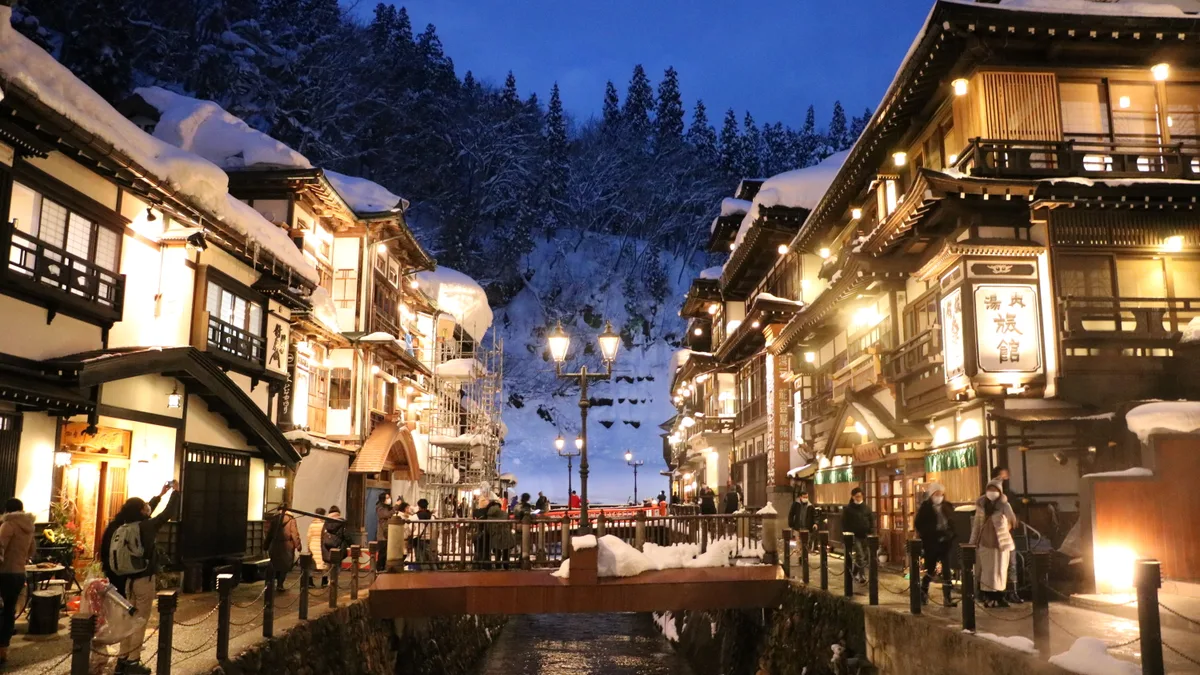
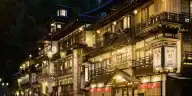
Hướng dẫn văn hóa có audio về Ginzan Onsen: con phố gỗ thời Taisho sáng đèn ga vẫn có người sinh sống, đêm khuya nổi tiếng dành cho khách ở lại, từ mỏ bạc đến suối nước nóng, và cách đến vào mùa đông.
Ginzan Onsen (Ginzan River)
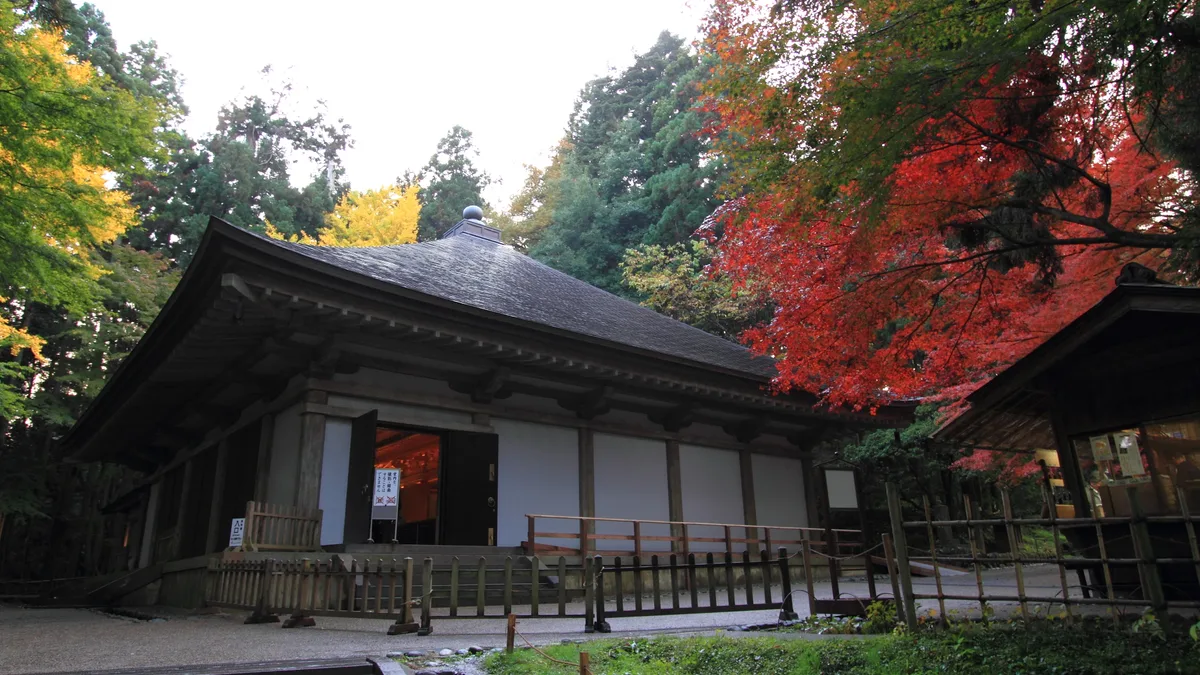
Khám phá Điện Vàng Konjikido ở Hiraizumi, lời nguyện cầu hòa bình dát vàng lá theo tư tưởng Tịnh Độ đã tồn tại chín trăm năm qua bao đổi thay. Hướng dẫn thực tế tham quan chùa Chuson-ji và Motsu-ji.
Chuson-ji & Hiraizumi
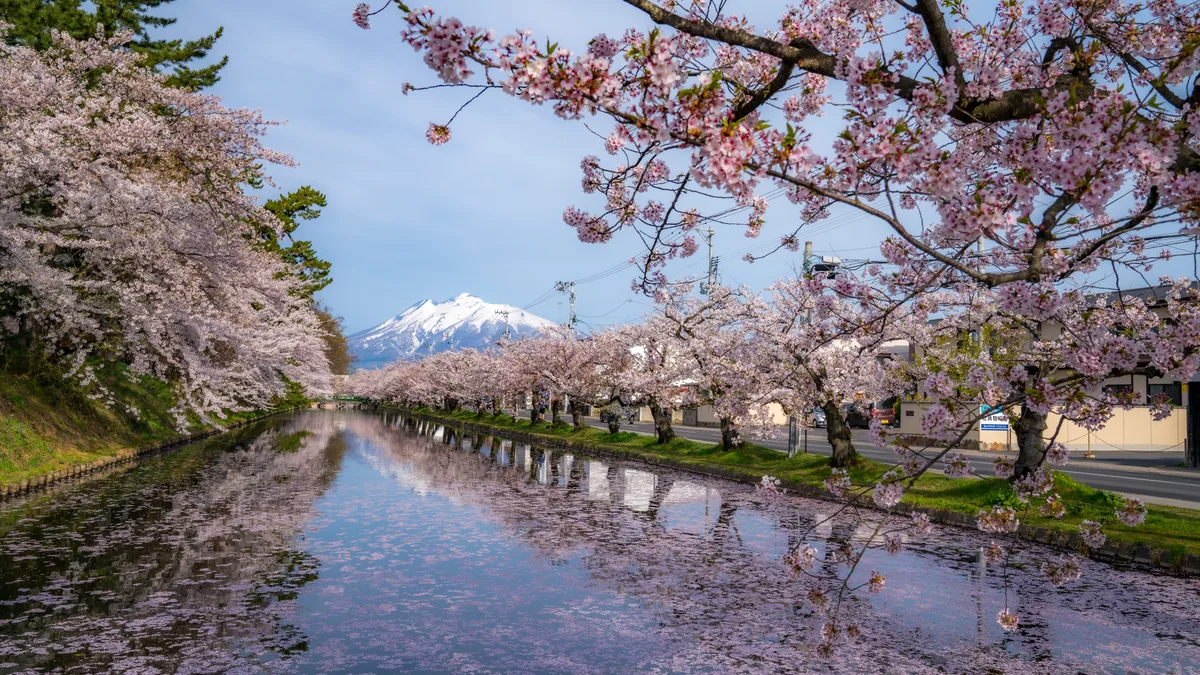
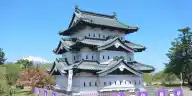
Lâu đài Hirosaki có tháp chính bằng gỗ nguyên bản duy nhất ở miền bắc Nhật Bản và khoảng 2.600 cây anh đào do các gia thần năm xưa trồng, được tỉa theo cách của vườn táo Aomori. Tìm hiểu vì sao tháp chính được dựng lại nhỏ hơn sau vụ cháy năm 1627 và vì sao tháp được dời 78 mét bằng kỹ thuật hikiya để sửa tường đá, cùng lễ hội hoa anh đào 10/4–5/5/2026, phí vào cửa ¥320, cách đi Shinkansen từ Tokyo và những bè hoa hana-ikada trên mặt hào.
Hirosaki Castle
Thủ đô và những chuyến đi trong ngày — Tokyo phố cổ, Kamakura bên biển, Nikko trên núi — với nhịp độ thoải mái
Miền bắc khai phá của Nhật Bản — Sapporo và Otaru, những đồi oải hương hay tuyết, các thung lũng onsen nghi ngút hơi nước, và Hakodate — theo một nhịp thong thả, dẫn dắt bởi mùa
Cung đường vàng Tokyo–Kyoto đi theo mùa hoa, cùng cách theo dõi làn sóng hoa nở như người địa phương, để việc không thể chốt ngày trước lại thành phần thú vị nhất của chuyến đi
Chuyến đi theo lịch matsuri, từ Gion ở Kyoto tới đêm pháo hoa trên sông ở Osaka, rồi những con phố nhảy múa tháng Tám. Với những người yêu mùa hè Nhật Bản, cái nóng chính là điều làm lễ hội thêm rực rỡ, và lễ hội là nơi bạn bước vào tham gia chứ không chỉ đứng xem
Một tuyến đường sắt đi về phía tây, từ bầu trời trong nhất của Tokyo lên vùng núi tuyết rồi xuống Kyoto yên tĩnh, để tận hưởng mùa đông Nhật Bản như những người yêu nó: với họ, cái lạnh chẳng phải cái giá phải trả mà là điều thú vị nhất của mùa này
Một phần nối thêm hay một chuyến đi thứ hai, và sự đánh đổi thành thật giữa hai đầu xa nhất của Nhật Bản: mùa đang nghiêng bạn về bên nào, và mỗi bên sẽ dẫn bạn đến đâu.