
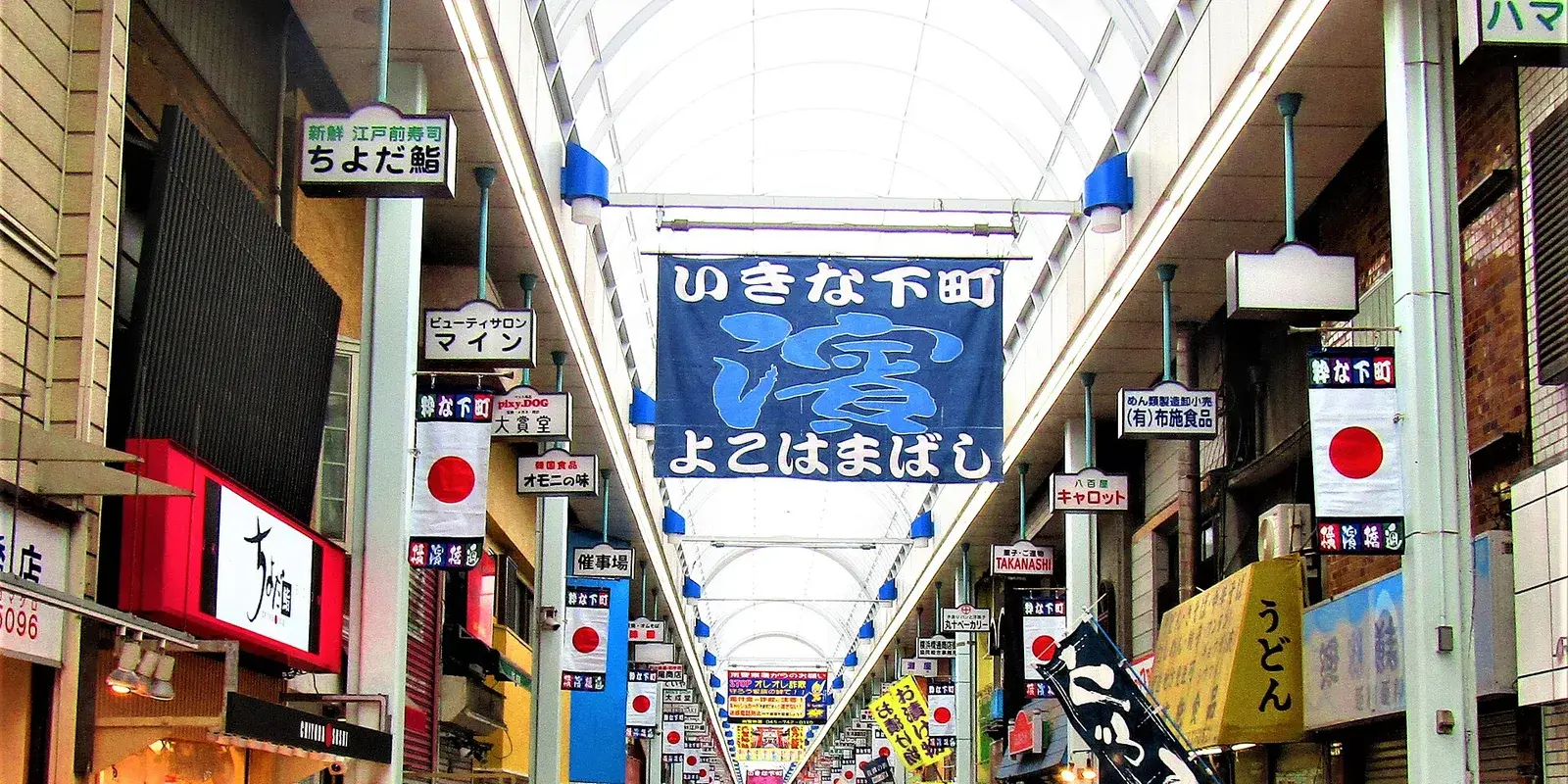
Why the Price IS the Price: What Japanese Shopkeepers Actually Think When You Try to Negotiate
What you'll learn in this article:
- What 347 Japanese shopkeepers, artisans, and consumers wrote about haggling, and why most aren't offended when you try
- Why 71% say the first price shown IS the real price: no hidden margin, no tourist surcharge
- The Osaka exception: where "Can you make it cheaper?" is practically a love language
- Japan's secret discount system that has nothing to do with negotiation
Can you haggle in Japan? We read what 347 Japanese people wrote: shopkeepers, artisans, point-card enthusiasts, and consumers from Tokyo to Osaka. The clear answer: 71% say the first price shown IS the fair price, with no hidden margin and no tourist surcharge. But here's what no guidebook tells you: Japanese shopkeepers aren't offended when you try to negotiate. 43% understand it's simply a cultural difference. And in Osaka, they might even enjoy the exchange.
71% of Japanese shopkeepers say the first price they show you is the real price, the fair price. There's no cushion built in for negotiation.
Quick Guide
| Topic | What Japanese People Said | |
|---|---|---|
| 🟢 Relax | They're not offended | 43% of shopkeepers understand haggling comes from a different cultural background. Nobody is angry at you for asking. The most common reaction? A slightly awkward smile and genuine helplessness. They literally can't change the price. |
| 🟡 Good to know | The first price IS the final price | 71% say their posted price already reflects the fair value. There's no "tourist markup" to negotiate away. The price includes materials, labor, and a margin the seller considers honest. |
| 🔴 Worth noting | Negotiating a craftsperson's price stings | Among artisans and small shop owners, 56% say their price is a statement about the value of their work. Asking "can you go lower?" can feel like questioning their skill, even if you don't mean it that way. |
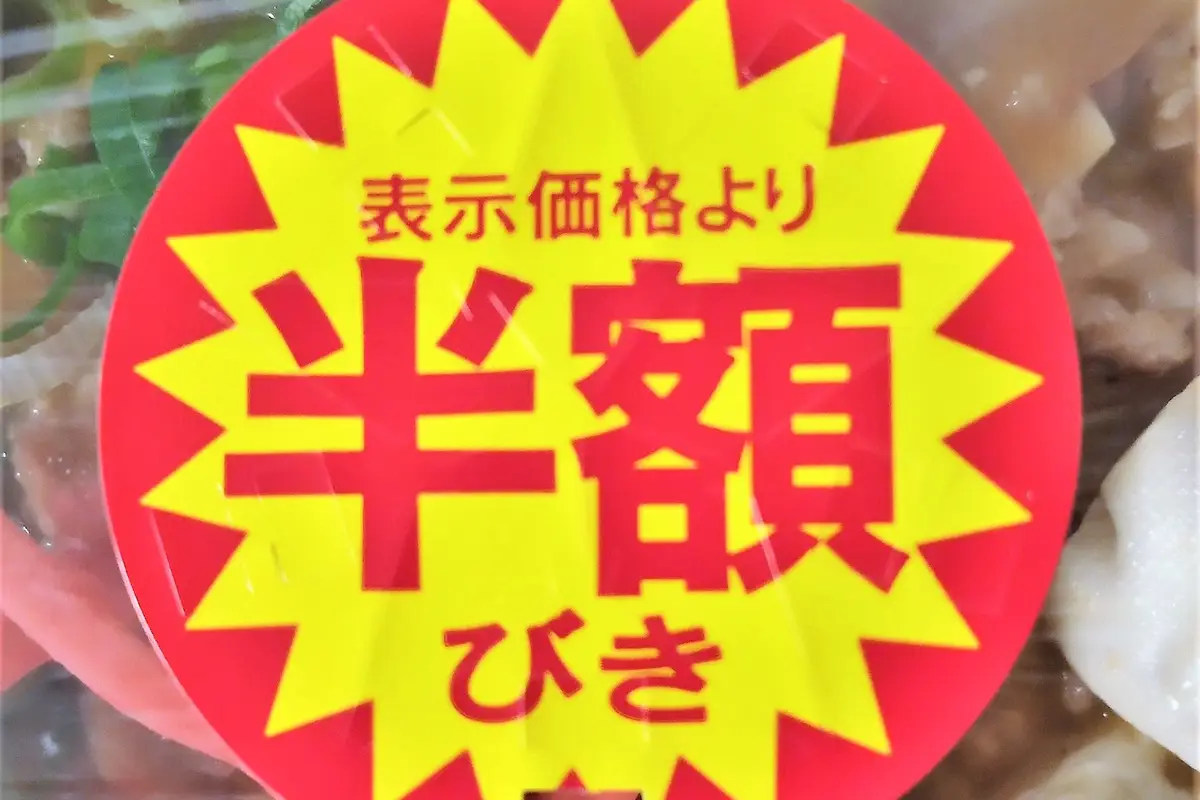
| 💡 The surprise | Japan HAS discounts, just not through haggling | Point cards, seasonal sales, tax-free shopping, and loyalty rewards. Japanese consumers are obsessed with getting value; they rely on systems instead of conversations. |
| 🎭 The exception | Osaka plays by different rules | In Japan's merchant capital, "まけて (makete, give me a deal)" is part of the shopping experience. It's not rude. It's connection. |
The one thing to remember: Japan's fixed-price culture isn't inflexibility. It's trust. The price you see is the price everyone pays, and that includes the shopkeeper's honest assessment of fair value. You don't need to negotiate because you're already getting the real price.
How We Gathered These Voices
We collected 347 Japanese-language posts across five topics: shopkeeper reactions to negotiation attempts (78 posts), the fixed-price trust system (72 posts), artisan and craftsperson pricing philosophy (62 posts), Japan's alternative discount culture including the Osaka exception (76 posts), and generational change through platforms like Mercari (59 posts). We gathered these voices from public Japanese Q&A sites, forums, and social posts, along with reporting from Nikkei, Mynavi News, Agora, and Radio Kansai.
A quick note: This isn't a controlled scientific survey. It's a collection of what real Japanese people said in their own words, on public platforms. Every English-language article about haggling in Japan says the same thing: "Don't do it." We wanted to show you why, and what the person behind the counter actually feels when you try.
"Can You Make It Cheaper?": What the Person Behind the Counter Actually Feels
If you've ever tried to negotiate a price in a Japanese shop, you probably noticed something: the shopkeeper didn't get angry. They didn't laugh at you. They just looked... stuck.
That's because most of the time, they literally are.
The overwhelmingly common reaction: helplessness, not anger
値段はもう決まっているので、「安くして」と言われても困ります。怒りはないです。ただ、どうしようもできなくて申し訳ない気持ちになります。 The price is already set, so when someone says "make it cheaper," I'm stuck. I'm not angry. I just feel sorry that there's nothing I can do.
日本の小売店のほとんどは、店員に値引きの権限がないんです。交渉されても、上に聞かないと何もできない。お客様の文化を否定しているわけじゃない。仕組みの問題です。 In most Japanese retail, staff simply don't have the authority to change prices. Even if you negotiate, I can't do anything without asking a manager. It's not about rejecting your culture — it's the system.
外国の方が値切ろうとしているのを見ると、「ああ、向こうではそういう文化なんだな」と思います。失礼だとは感じません。ただ、日本ではそうじゃないんですよと伝えたいけど、英語が出てこない。 When I see a foreign visitor trying to negotiate, I think "oh, that must be how it works in their country." I don't feel disrespected. I just want to explain that it's different here — but I can't find the English words.
The 19% who feel uncomfortable: here's what they actually mean
高いと言われると、自分の店の商品が悪いと言われている気がしてしまう。安売りしているわけじゃないので。 When someone says it's expensive, it feels like they're saying my products aren't worth it. We're not running a bargain shop.
何度も「もっと安く」と言われると、この値段が不正だと思われているのかなと感じる。最初から正直な値段をつけているのに。 When someone keeps saying "go lower," it starts to feel like they think my price is dishonest. But I set an honest price from the start.
💡 Nobody is angry at you
The "don't haggle in Japan" advice in guidebooks makes it sound like you'll cause offense. The reality is far gentler: most shopkeepers feel empathy (they know it's cultural), helplessness (they can't change the price even if they wanted to), or a quiet sting (it implies distrust). Anger? Almost nonexistent.
The First Price IS the Real Price: Why That's Actually Good for You
In many countries, the posted price is the opening bid in a game. The seller starts high, you counter low, and you meet somewhere in the middle. Both sides know the first number isn't real.
Japan's system is the opposite: the first number is the real number.
The concept that explains everything: tekisei kakaku (適正価格)
There's a Japanese term for this: tekisei kakaku, the "appropriate price" or "right price." It's the idea that there exists a correct price for every product, one that fairly reflects the cost of materials, labor, and a reasonable margin. Setting this price is itself an act of integrity.
日本では「適正価格」という考え方があります。安すぎれば品質を疑われ、高すぎれば信用を失う。最初から正しい値段をつけることが誠実さの証なんです。 In Japan, we have this concept of tekisei kakaku — the "right price." Too cheap and people question the quality. Too expensive and you lose trust. Setting the right price from the start is how you prove your integrity.
外国人のお客さんに「これは本当の値段ですか?観光客用の値段じゃないですか?」と聞かれることがある。正直、ちょっと悲しいです。全員に同じ値段です。 Foreign customers sometimes ask "is this the real price or the tourist price?" Honestly, that makes me a little sad. Everyone pays the same price.
日本の消費者として、値引きしなくていいのは本当に楽。東南アジアで旅行すると、すべての値段が信用できなくて疲れる。日本ではレジに行けばそのまま払えばいい。 As a Japanese consumer, not having to negotiate is genuinely relaxing. When I travel in Southeast Asia, I can't trust any price and it's exhausting. In Japan, you just go to the register and pay.
What about the 10% who said "it's complicated"?
正直に言うと、最近は観光地で外国人向けに高い値段をつける店が出てきています。日本人としてすごく恥ずかしい。それは日本の文化じゃない。 I'll be honest — recently some shops in tourist areas have started setting higher prices for foreigners. As a Japanese person, I'm deeply embarrassed. That's not our culture.
「二重価格」の議論が出てきているけど、多くの日本人はそれに反対です。全員に同じ値段であることが日本の商売の信頼の基盤なんだから。 There's a debate about "dual pricing" now, but many Japanese people oppose it. Charging everyone the same price is the foundation of trust in Japanese commerce.
💡 You don't need to negotiate, because you're already getting the real price
In countries where haggling is normal, the posted price has room built in. In Japan, it doesn't. The 71% who set "tekisei kakaku" aren't leaving space for bargaining; they've already given you their honest number. When you try to negotiate it lower, you're not removing a markup that doesn't exist. You're asking them to sell below what they believe is fair.
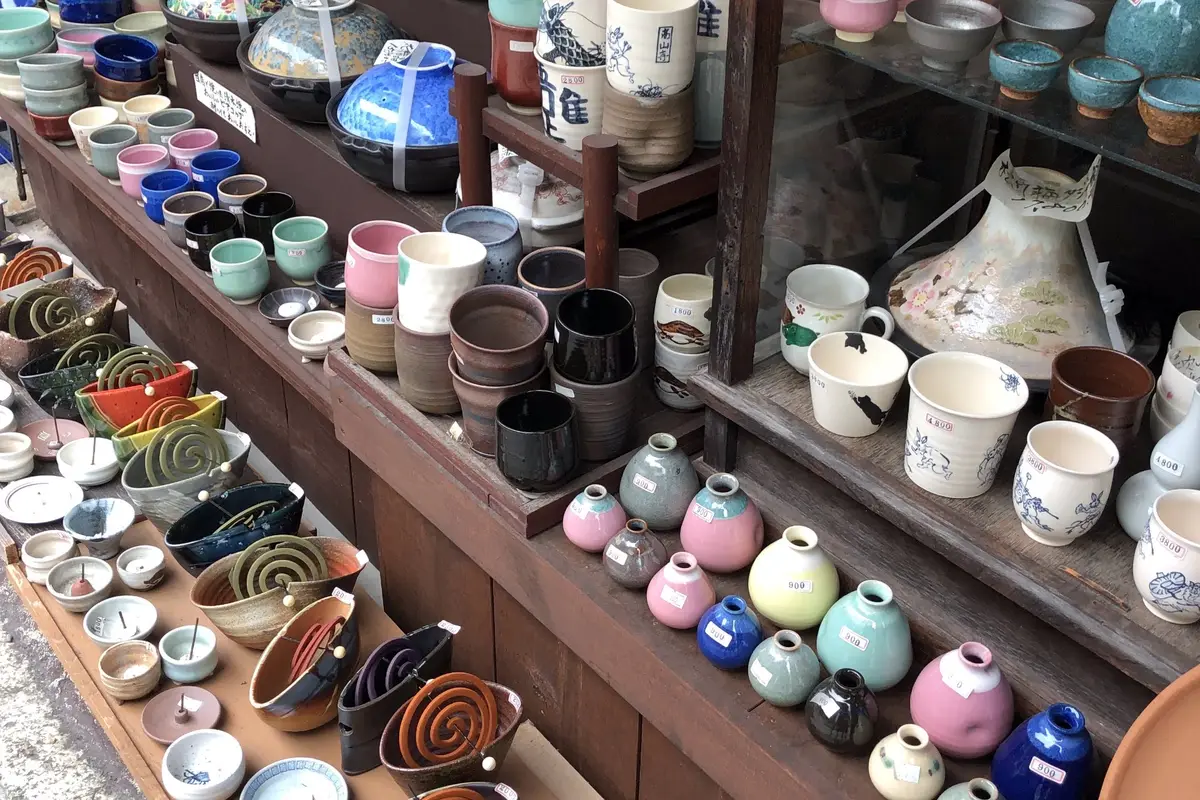
When the Price IS the Art: What Craftspeople Feel When You Negotiate
This is where fixed pricing becomes deeply personal. For a shopkeeper at a chain store, the price is set by headquarters. For an artisan, the price is set by them, and it represents their assessment of their own work's value.
値段を決めるとき、材料費と時間だけじゃなく、自分が何年かけてこの技術を身につけたかを考えます。「もっと安くして」と言われると、その年月を否定された気がする。 When I set a price, I don't just think about materials and time — I think about how many years it took me to learn this craft. When someone says "make it cheaper," it feels like those years are being dismissed.
(Ceramic artist, Arita)
作品には「号価格」というシステムがあって、サイズに基づいた標準的な価格設定です。これは業界全体の信頼を守る仕組みなんです。個別に値引きすると、その信頼が崩れる。 In the art world, we have the gō-kakaku system — standardized pricing based on size. This system protects trust across the entire industry. If I discount individually, that trust breaks.
(Gallery owner, Tokyo)
外国のお客様が「もう少し安く」と言ってきても、怒りません。でも心の中では「この値段がこの作品の価値なんです」と思っています。買ってくれなくてもいい。値段を下げるよりも、作品の価値を理解してもらう方が大事。 I don't get angry when a foreign visitor asks for a discount. But inside, I'm thinking "this price IS the value of this work." It's okay if they don't buy it. Understanding the value matters more to me than making a sale at a lower price.
The 15% who are pragmatic about it
商売だからね。在庫が残るくらいなら少し安くしてでも売る。でもそれはこっちが判断することで、お客さんに言われてやることじゃない。 It's business. If I have excess stock, I might lower the price. But that's my decision to make — not the customer's to demand.
💡 Price as dignity
For Japanese artisans, setting a price is an act of self-assessment: "This is what my years of training, my materials, and my skill are worth." It's not a starting bid. It's a declaration. You don't have to buy it, but asking them to lower it says something different from what you intended.
Japan's Secret Discount System: It's Just Not Called Haggling
Here's the part that surprises most visitors: Japanese consumers are obsessed with getting value. They just don't do it through face-to-face negotiation. They use systems.
The point-card universe
日本人は値切らないけど、ポイント還元率には異常なくらいこだわります。ヨドバシの10%ポイント還元かビックカメラの11%か、真剣に比較検討する人が大勢います。 Japanese people don't haggle, but they are obsessively particular about point-card return rates. Plenty of people seriously debate whether Yodobashi's 10% points or Bic Camera's 11% is the better deal.
セール、ポイントカード、タイムサービス、まとめ買い割引、株主優待。日本の消費者はたくさんの「安く買う方法」を知っている。ただ、それを店員と交渉するんじゃなくて、仕組みを使うんです。 Sales, point cards, time-limited discounts, bulk deals, shareholder benefits. Japanese consumers know plenty of ways to buy cheaper. We just use systems instead of negotiating with staff.
Where negotiation IS acceptable (yes, it exists)
| Place | Can you negotiate? | How |
|---|---|---|
| Electronics superstores (Yodobashi, Bic Camera) | ✅ Yes, on big purchases | Show a competitor's price; ask about point-card bonuses or bundle deals. Staff are trained for this. |
| Flea markets (フリマ) | ✅ Yes, it's expected | Gentle negotiation with a smile. Don't push hard; a 10-20% reduction is typical. |
| Akihabara small shops | ✅ Yes, many welcome it | Especially for used goods and bulk purchases. |
| Antique markets (骨董市) | ✅ Yes, part of the tradition | Vendors expect some back-and-forth. |
| Department stores | ❌ No | Prices are set by brands. Staff have zero authority. |
| Convenience stores | ❌ No | Everything is centrally priced. |
| Restaurants | ❌ No | The menu price is the price. Always. |
| Small independent shops | ⚠️ Rarely | Depends on the owner. Repeat customers sometimes get quiet discounts. |
家電量販店で値引きできることは日本人ならみんな知っています。ネットの最安値を見せて「これに合わせられますか?」って聞くのは普通。でもコンビニでやったら変な人です。 Every Japanese person knows you can negotiate at electronics stores. Showing them the lowest online price and asking "can you match this?" is totally normal. But if you tried that at a convenience store, people would think you're weird.
💡 Structured vs. conversational discounts
Japan didn't eliminate discounts. It systematized them. Point cards, seasonal sales, tax-free shopping, early-bird pricing, shareholder benefits. The discount is built into the infrastructure so that nobody has to ask for it face to face. This isn't about being passive. It's about building systems where everyone gets value without anyone losing face.
The Osaka Exception: Where "Makete" Is a Love Language
Everything you've read above applies to most of Japan. But Osaka plays by different rules, and the difference reveals something beautiful about Japanese diversity.
In Japan's merchant capital, the phrase makete (まけて, "give me a deal") isn't rude. It's practically a greeting.
大阪の商店街で「まけて〜」と言うのは、コミュニケーションなんです。本気で値下げを要求しているわけじゃない。「あんたのこと気に入ったから、ちょっとだけ特別扱いしてよ」という遊びです。 Saying "makete" in an Osaka shopping arcade is communication. You're not seriously demanding a discount. It's a game that says "I like you — treat me a little special."
「わかったわかった、端数だけ切っとくね」って返すのが、大阪の商売の楽しさ。お客さんも嬉しいし、こっちも人間関係ができる。東京みたいに黙って会計するのは寂しい。 "Fine, fine, I'll knock off the loose change" — that's the fun of doing business in Osaka. The customer's happy, and I build a relationship. Just silently processing a transaction like in Tokyo feels lonely.
(Shopping arcade vendor, Osaka)
The numbers might surprise you
According to a 2016 at home VOX survey, only 32.3% of Osaka residents say they actively negotiate prices. That's lower than you'd expect from Japan's "haggling capital." Even more surprising: Oita Prefecture (in Kyushu) ranked first in negotiation willingness.
But the Osaka percentage misses the point. Osaka's haggling culture isn't about frequency. It's about spirit.
大阪の「まけて」文化は、ケチだからじゃない。お客様が満足して喜んでくれることが商売の本質だという上方商人の精神から来ている。値段の交渉じゃなくて、人間の交渉なんです。 Osaka's "makete" culture isn't about being cheap. It comes from the spirit of Kamigata merchants — the idea that the essence of commerce is making customers satisfied and happy. It's not a price negotiation. It's a human negotiation.
東京の人は値切ることに恥を感じるが、関西人は値切ることを遊びにしている。 Tokyo people feel shame about haggling. Kansai people make it a game.
What this means for you as a visitor
If you're in Osaka's shopping arcades (Kuromon Market, Shinsekai, the covered arcades of Shinsaibashi), a gentle, smiling "makete?" will often be met with warmth. It's not a demand. It's an invitation to connect.
But even in Osaka, this applies to individual vendors and small shops rather than chain stores or department stores. And the negotiation is always light, always smiling, always brief. A playful ask, a quick answer, and business continues, with a little more warmth than before.
The Generation Question: Is Fixed-Price Culture Changing?
Something interesting is happening with younger Japanese consumers. The rise of Mercari (Japan's biggest flea-market app, which passed 20 million monthly active users in September 2021) has normalized price negotiation in a way that would have been unimaginable a generation ago.
メルカリでは値下げ交渉は普通。でも実店舗では絶対やらない。それは別の世界。 On Mercari, negotiating prices is normal. But I'd never do it in a physical store. That's a different world.
メルカリの「お値下げ可能ですか?」は丁寧に聞けば全然OK。でも「半額にしてください」みたいなのは嫌われる。結局、リスペクトの問題です。 "Could you lower the price?" on Mercari is totally fine if you ask politely. But "cut it in half" makes people angry. In the end, it's about respect.
ネット世代は値段の交渉に慣れているかもしれないけど、お店ではやっぱり値札が正義。日本の「定価文化」はそう簡単には変わらないと思う。 The internet generation may be used to negotiating prices online, but in stores, the price tag is still king. I don't think Japan's fixed-price culture will change easily.
💡 The digital divide
Mercari proved that Japanese people can negotiate, and even enjoy it in the right context. But 44% draw a clear line between digital and physical shopping. The screen provides a buffer that makes negotiation comfortable. Face-to-face, the social weight of meiwaku (not wanting to cause trouble) still holds strong. Japan's fixed-price culture isn't dying. It's simply coexisting with a new digital exception.
What This Means for Your Trip
You don't need to memorize rules. Just remember the cultural operating system behind it all: Japan's pricing is built on trust, not negotiation. The price you see is the price everyone pays: Japanese or foreign, first-time or regular.
Here's what earns quiet respect:
Accept the price gracefully. A simple "okay" and a smile communicates more respect than most tourists realize.
At electronics stores, ask about point cards and bundles first, not "can you go lower?" This shows you understand how the system works.
In Osaka's arcades, a friendly "makete?" is welcome, but keep it light and playful, never aggressive.
At flea markets, negotiate gently. A 10-20% reduction with a smile is standard. Don't counter-offer five times.
For artisan goods, asking about the process shows interest. "How long did this take to make?" earns far more warmth than "Can you do it for less?"
Use Japan's discount systems: tax-free shopping, point cards at electronics stores, seasonal sales in January and July. For purchases from 1 November 2026, tax-free shopping works as a refund: you pay the price with tax at a tax-free shop, and the tax comes back after a customs check when you leave Japan. Japan in November walks through the steps.
More Japanese Perspectives
Japan's pricing culture connects to deeper patterns. If this article made you curious, these might help complete the picture:
- What Happens When You Tip in Japan?: When you try to add money, staff may chase you down. The price already includes everything.
- Cash or Card?: Japan's relationship with payment reveals the same trust-based operating system.
- Why Japanese Service Feels Different: The same omoiyari that sets fair prices also drives the service you'll experience.
- Omoiyari: The Concept That Explains Everything: The deeper cultural OS that makes fixed pricing, omotenashi, and quiet consideration all part of the same system.
Share Your Experience
Have you tried negotiating in Japan? Did the shopkeeper's reaction surprise you? Or have you discovered Japan's point-card universe?
Sources
Voice Data
Japanese voices were collected from public platforms including:
- Japanese Q&A sites, forums, and blogging platforms
- Quora Japan
- X (Twitter)
- Reddit (r/JapanTravel, r/AskAJapanese)
Media Sources
- "日本人はなぜ値切らない!? 外国人に感想を聞いてみた": Mynavi News
- "消えていく値引き交渉の文化": Agora
- "まけて~ 値引きして~ 関西人は当たり前?!": Radio Kansai Topics
- "勉強しまっせ 値切りのこつ": Nikkei
- "値切りに積極的な地域といえば?" (2016): at home VOX
- "フリマアプリ「メルカリ」、月間利用者数が 9月単月で2,000万人を突破" (2021): Mercari, Inc.
- "東京の人は値切ることに恥を感じるが関西人は値切ることを遊びにしている": Quora Japan
- "Japanese Retail Rules: When (and Why) Haggling Offends": Japanetic
- "Is Japan a bargaining culture?": TripAdvisor Japan Forum
- What is the Refund Method?: Japan Tourism Agency (tax-free shopping for purchases from 1 November 2026)
Note on Quotations
Quotes from online platforms have been lightly edited for readability (fixing typos, formatting for clarity). The meaning and intent of each comment remain unchanged. This article draws on Japanese-language voices and the publicly available platforms and publications named in this section.
WMJS is written in Japan, in English, with AI help. We check every page, but English is not our first language. If a sentence reads oddly, tell us. One sentence is enough.
Thank you. A person reads every note.
How well do you know Japan?
Built from 635 public posts by Japanese people
Want to know more? Ask Japanese people
Have a follow-up question about this topic? We'll ask real Japanese people.
Voice Box →