
How Japan Works
Is Nanzen-ji Worth It? Reading 394 Reviews and Posts From Abroad and From Japan
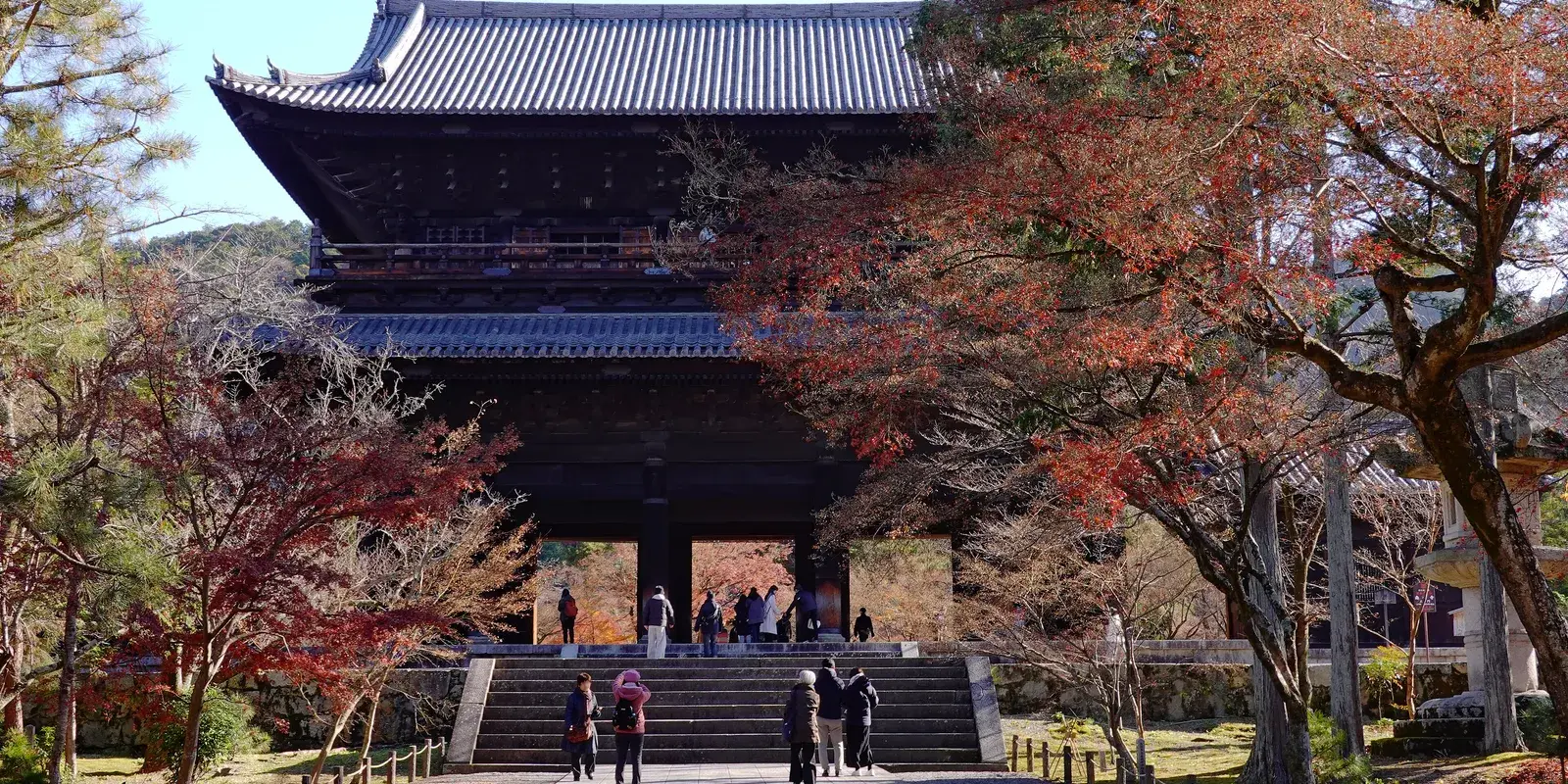
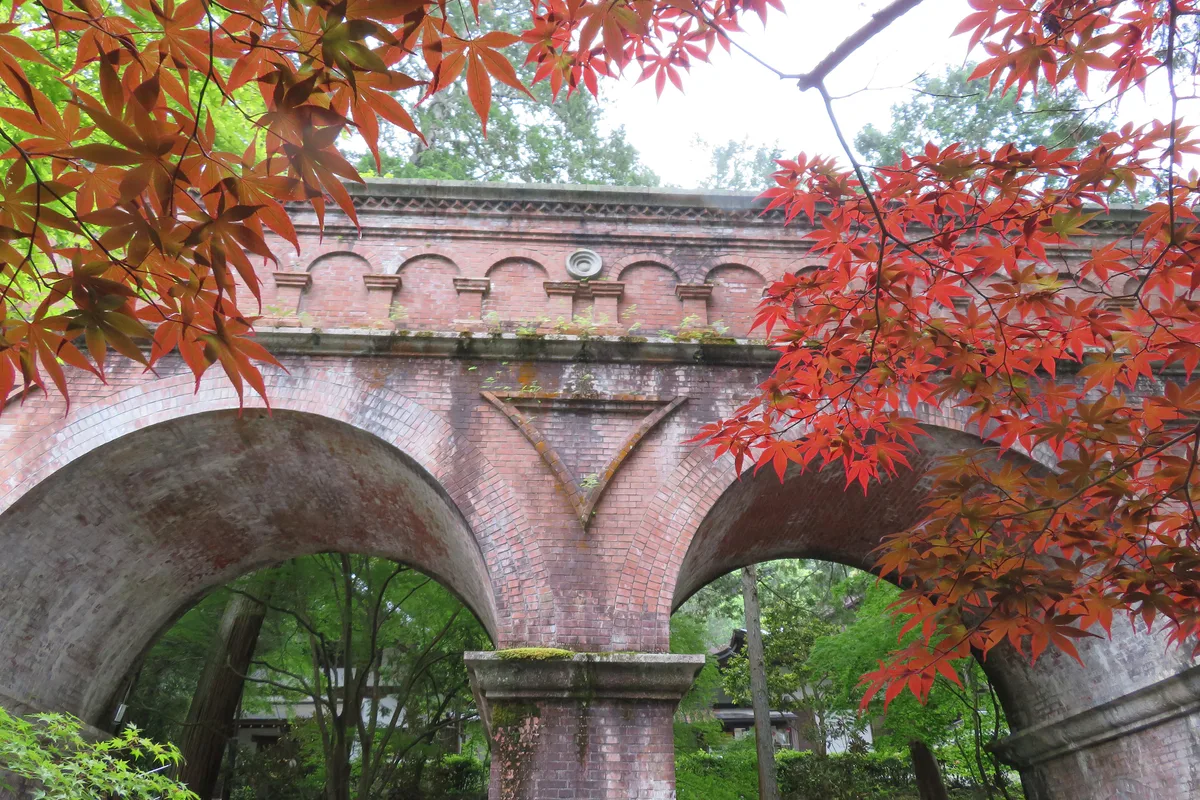
Nanzen-ji is a Zen temple in eastern Kyoto. You can climb its wooden Sanmon gate, which is about 22 meters high. You can also walk through the Hojo, the abbot's quarters and a National Treasure, and its garden. A brick aqueduct built in 1888 carries a branch of the Lake Biwa Canal across the grounds. If you are deciding whether to fit it into a day in eastern Kyoto, here is what people who went wrote. We counted 394 reviews and posts. Of the 254 from abroad, 225 (89%) came from people who were glad they went, and so did 125 of the 140 from Japan (89%).
The two groups did not stress the same things. The brick aqueduct comes up in 73 of the 140 voices from Japan and in 78 of the 254 from abroad. Seventeen of the Japanese voices mention that the temple or the aqueduct has appeared on television, in TV dramas or in a film, or has been used for filming, and none of the voices from abroad mention this.
Is it worth it? (in visitors' own words)
The 254 voices from abroad include 104 TripAdvisor reviews, 125 Google Maps reviews, 21 posts and replies on a Taiwanese forum, 3 Reddit comments and 1 reply on the japan-guide.com forum. Of the TripAdvisor reviews, 67 were posted in 2018 or 2019, and 101 of the Google Maps reviews were posted in 2026.
Writing on Google Maps in November 2026, one visitor said "This is the time to come here – November." and wrote that "The views from the upper part of the gate were stunning". On TripAdvisor, someone who visited in October 2019 wrote "This is quite a plain temple, but the sheer size of the gigantic gate makes it worth a visit just in itself!" Another TripAdvisor reviewer, there in February 2025, skipped the paid areas and wrote "the highlights can be seen and enjoyed without paying at all." A third, who visited in October 2023, chose the paid route: "I paid the extra money to visit Hojo Hall and the gardens, and it was worthwhile spending the extra time and money for this."
A different TripAdvisor reviewer, also there in February 2025, arrived at dusk and wrote "we were literally the only people there." In March 2026 a Google Maps reviewer called it a "Gorgeous modest temple just before the start of the philosophers walk." and added "We were there at around 9 am and it was quiet and peaceful."
Of the 254 voices from abroad, 29 were not simply glad they went (21 mixed, 8 let down), and their reasons vary. Four felt the entry fees were too much for what they got, four found parts of the temple closed when they came, three were disappointed by the aqueduct itself, two write about crowds and queues, and two came when the maples had already lost their leaves or had not yet turned. The other 14 give other reasons or none. Posting in November 2026, a Google Maps reviewer found the area and buildings beautiful and wrote "Felt like nickel and dimining a bit too much." Another, who posted in March 2026, wrote "you have to pay extortionate entrance fees for absolutely everything" and named Chion-in and Shoren-in as better choices. After a visit in April 2025, a TripAdvisor reviewer wrote "this was the least impressive temple complex that we visited." Of the aqueduct, someone who visited in October 2018 wrote on TripAdvisor "There’s really nothing to see, and it’s a relatively low structure." Writing in Russian on Google Maps in November 2026, another visitor says there were so many people and such long queues that they walked as far as the aqueduct and left.
What Japanese visitors say
The 140 voices from Japan include 93 Google Maps reviews and 47 Jalan reviews. Of the Google Maps reviews, 79 were posted in 2026. The Jalan reviews were posted between 2019 and 2026, and the site shows no date for 20 of them.
In May 2026 a Google Maps reviewer wrote "2時間ドラマの舞台としてよく登場する、この南禅寺の赤レンガの橋(水路閣)の下にずっと憧れていて、念願叶って訪問しました。" (I had long wanted to stand under this red-brick bridge at Nanzen-ji, the Suirokaku, which often appears in two-hour TV dramas, and my wish came true). Another, who posted in September 2026, wrote "水道橋を見て、TVのサスペンスを思い出すのは私だけではないような⋯。" (I doubt I'm the only one who sees the aqueduct and thinks of TV suspense dramas).
On Jalan, a visitor who went in June 2025 wrote "京都に来るたびに南禅寺に来ています。" (I come to Nanzen-ji every time I come to Kyoto) and described the view of the city from the top of the Sanmon gate. Posting on Google Maps in November 2026, another reviewer wrote "紅葉の季節に毎年行く。門のなかにも入れるが、入らなくても十分きれい。これを無料で楽しめるのはすごい。" (I go every year in the autumn-leaf season. You can go inside the gate, but it's beautiful enough without going in. It's amazing that you can enjoy this for free). Short of time, one Jalan reviewer saw only the free areas and wrote "それでも30分ほどかかり、見応えがありました。" (even so it took about 30 minutes and was well worth seeing).
Of the 140 voices from Japan, 15 were not simply glad they went (11 mixed, 4 let down). Four write about how other visitors behaved, four write about the season, and two write about the stairs. The behaviour they describe is people lying down and running inside the Hojo, eating lunch on the threshold of the Sanmon gate, sitting and chatting in front of the gate where others were waiting to take a photo, and lingering at the aqueduct for photos in costumes. On the season, a Jalan reviewer there in late March 2020 wrote "桜は一部が三分咲き程度と、まだ早かった。" (the cherry blossoms were only about 30 percent open in places, still too early) and "でも例年とは違く空いてるので、ゆっくり参拝出来ました。" (but unlike usual years it was empty, so I could take my time).
Climbing the Sanmon gate
The temple's page gives the Sanmon's height as about 22 meters, and Japan's Agency for Cultural Affairs dates the present gate to 1628. In November 2026 the temple listed the climb at 600 yen for an adult. It hands out plastic bags for your shoes at the gate and at the Hojo, and asks you to take the bags home afterwards.
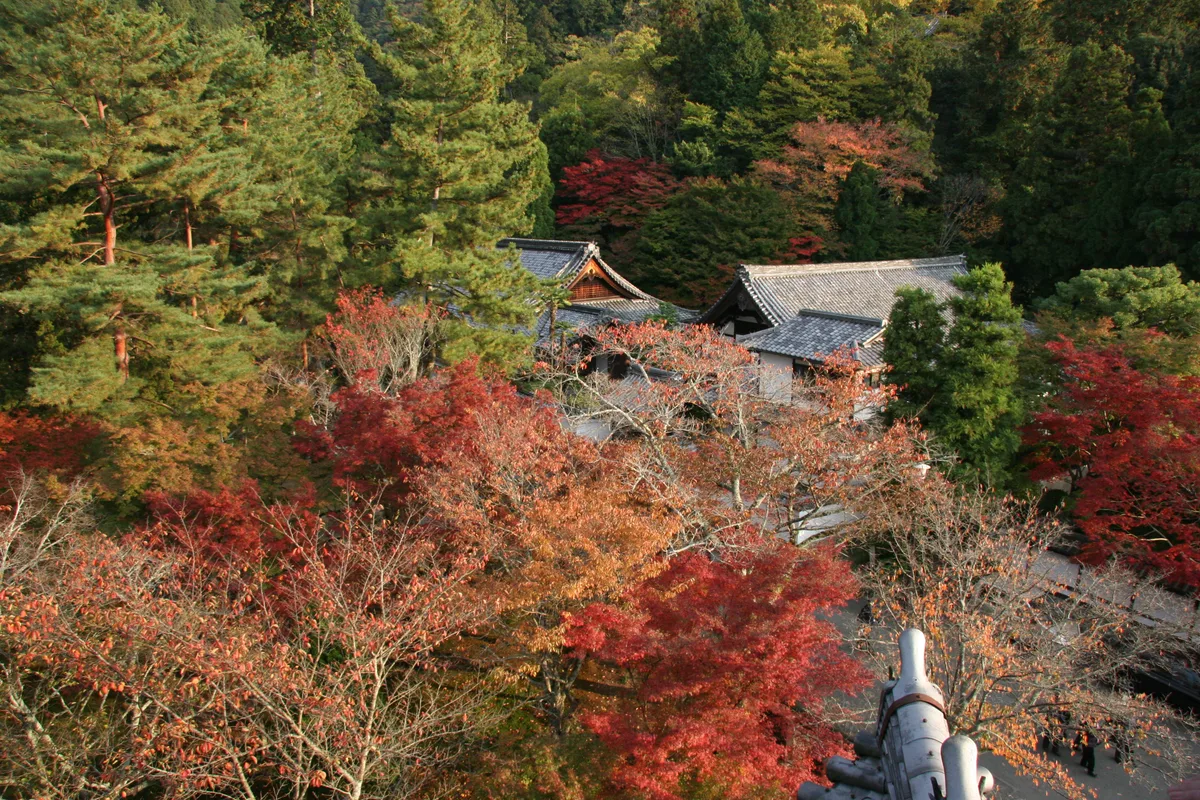
Nineteen voices call the stairs inside the gate steep, 9 from abroad and 10 from Japan. Of those 19, 18 were glad they went. One Google Maps reviewer, posting in November 2026, wrote "行く方はぜひ、山門に登って京都の景色を見ていただきたいです。" (if you go, please do climb the gate and look out over Kyoto) and "階段は急なので足が悪い方にはお勧めしません。" (the stairs are steep, so I don't recommend it for people whose legs are weak). On TripAdvisor, a visitor from November 2018 wrote "For those with strong legs, it’s also well worth climbing up the steep stairs of the main gate." Writing on Google Maps in September 2025, another reviewer said "三門の階段はとても急ですが、手すりとロープが張って有るので" (the Sanmon stairs are very steep, but there is a handrail and a rope) and wrote that, at 68 and with a physical disability, the climb was still possible.
The one reviewer in this group who was not simply glad posted on Google Maps in October 2026. The review says "靴を用意された袋に入れ、持って上がるので、急な階段を上がる時に邪魔になって上りにくいです。" (you put your shoes in the bag provided and carry it up, so it gets in the way on the steep stairs and makes climbing hard). The same reviewer found the view from about 22 meters not all that impressive and came down sideways holding the rope.
What we wish you'd noticed
The aqueduct comes up in about half of the voices from Japan (73 of 140) and in about a third of those from abroad (78 of 254). One Google Maps reviewer from abroad, posting in October 2026, noticed the same thing: "The aqueduct isn't really impressive for europeans but local tourists seem to enjoy it quite a lot." Japan's Agency for Cultural Affairs lists the Suirokaku as a brick bridge of 14 arches, 93.2 meters long, built in 1888. It was made a National Treasure in August 2025.
Glad voices from both groups also wrote about when they arrived. One visitor from abroad, posting on Google Maps in September 2026, wrote "I got there around 8 AM and it was empty other than staff." Another, who posted in June 2026, wrote "Arrived somewhat later (9:20) than we wanted but it was still fairly empty and very quiet." A Japanese family who came on 14 November 2026 wrote on Google Maps "朝早く伺ったおかげで、まだそれほど混み合っておらず、ゆっくり散策できました。" (thanks to coming early it wasn't yet very crowded and we could walk around at our own pace), and they left a little after 10 when it had become busy. In the autumn-leaf season, arriving early was not always enough. Another Japanese reviewer, posting on Google Maps on 23 November 2026, arrived before 9 and found "すでにたくさんの人!" (lots of people already!).
Doing it well, the welcomed way
The temple's admission page, as checked in November 2026, lists its hours as 8:40 to 17:00 from March to November and 8:40 to 16:30 from December to February. Ticket counters close 20 minutes before that. The paid areas close from 28 to 31 December, though you can still walk the grounds. Adult tickets are 600 yen for the Hojo garden, 600 yen for the Sanmon gate and 500 yen for Nanzen-in. The temple's notice of January 2026 says Nanzen-in is closed for works until spring 2027, and its autumn notice gave Nanzen-in a special opening from 1 to 30 November 2026. Two Japanese reviewers and one reviewer from abroad wrote that the paid places took only cash. The temple's admission page does not say which ways of paying it accepts.
The temple's notice about the grounds asks visitors to save eating and drinking, lying or sitting down on the ground, and singing or loud talk for somewhere outside the grounds. It asks photographers to take their photos without tripods or monopods, and asks that model shoots and photos in wedding clothes or costumes be held somewhere else. These cover most of what the four Japanese reviewers above wrote about. The temple says it asks this so that the people who come after can feel the same way about the grounds.
The temple's access page gives the walk from Keage station on the Tozai subway line as 10 minutes and suggests the tunnel called Nejiri-mampo as a shortcut to the grounds. From the city bus stops at Higashi-Tennocho or Nanzenji-Eikando-michi, it gives the walk as 10 minutes.
Ginkaku-ji is in the same eastern hills. The article is Ginkaku-ji worth it and the Ginkaku-ji guide cover it. The Gion guide covers the district to the southwest. What actually matters explains how we think about choosing what to do in Japan.
Sources
- Nanzen-ji, visiting information (拝観案内): the hours of 8:40 to 17:00 from March to November and 8:40 to 16:30 from December to February, ticket counters closing 20 minutes before closing time, and the adult fees of 600 yen for the Hojo garden, 600 yen for the Sanmon and 500 yen for Nanzen-in.
- Nanzen-ji, access (アクセス): 10 minutes on foot from Keage station on the Tozai line, the Nejiri-mampo tunnel as a shortcut to the grounds, and 10 minutes on foot from the Higashi-Tennocho and Nanzenji-Eikando-michi bus stops.
- Nanzen-ji, Sanmon (三門): the gate's height of about 22 meters.
- Agency for Cultural Affairs, database of designated cultural properties: Nanzen-ji Sanmon (南禅寺三門): the gate dated to 1628.
- Agency for Cultural Affairs, database of designated cultural properties: Nanzen-ji Hojo (南禅寺方丈): the Hojo designated a National Treasure.
- Agency for Cultural Affairs, database of designated cultural properties: Lake Biwa Canal facilities, Nanzen-ji Suirokaku (琵琶湖疏水施設 南禅寺水路閣): a brick bridge of 14 arches, 93.2 meters long, built in 1888, designated a National Treasure on 27 August 2025, on the branch of the Lake Biwa Canal that crosses the Nanzen-ji grounds.
- Nanzen-ji, notice on the hours for December 2026 (令和8年12月の拝観時間と行事のご案内): the paid areas closed from 28 to 31 December, while the grounds stay open to walk.
- Nanzen-ji, notice on Nanzen-in (南禅院拝観停止期間延長のお知らせ): Nanzen-in closed for works until spring 2027.
- Nanzen-ji, autumn 2026 special opening (令和8年 秋の特別拝観のご案内): Nanzen-in open for a limited period from 1 to 30 November 2026.
- Nanzen-ji, notice on shoe bags (拝観時の靴袋について): plastic shoe bags handed out at the Hojo garden and the Sanmon, to be taken home after the visit.
- Nanzen-ji, requests for the grounds (南禅寺の境内についてお願いとご注意): the requests about eating and drinking, lying or sitting down, singing and loud voices, tripods and monopods, and model shoots or photos in wedding clothes or costumes, and the reason that the people who come after can feel the same way about the grounds.
Reviews and posts date from 2013 to 2026 (including 2020 and 2023), and the site showed no posting date for 20 Jalan reviews, so conditions may have changed since. Hours, fees and requests are as the temple listed them in November 2026.
WMJS is written in Japan, in English, with AI help. We check every page, but English is not our first language. If a sentence reads oddly, tell us. One sentence is enough.
Thank you. A person reads every note.
How well do you know Japan?
Built from 635 public posts by Japanese people
Want to know more? Ask Japanese people
Have a follow-up question about this topic? We'll ask real Japanese people.
Voice Box →