
Is Nabana no Sato Worth It? What Visitors Say, and What Locals Won't Sugarcoat
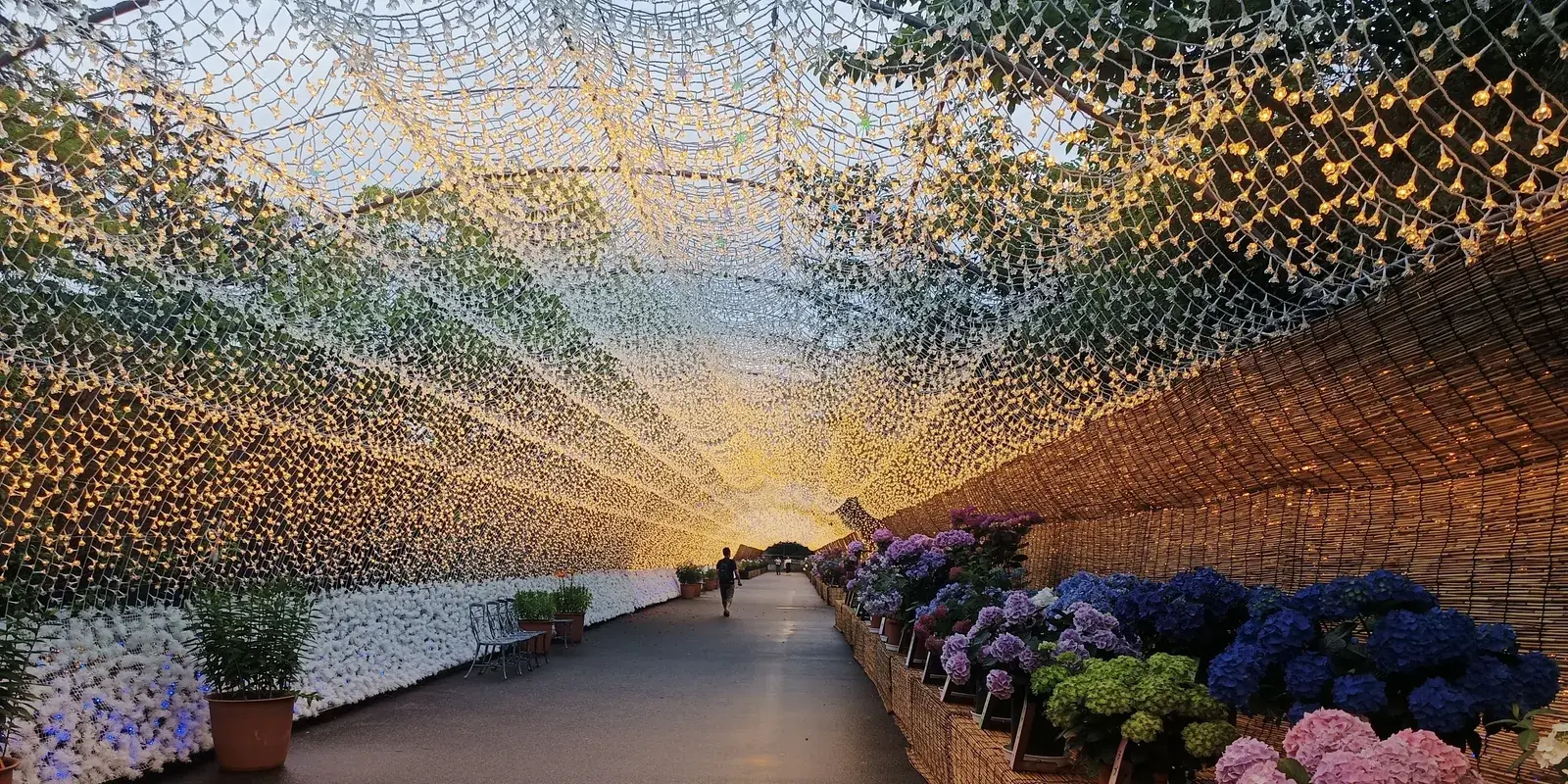
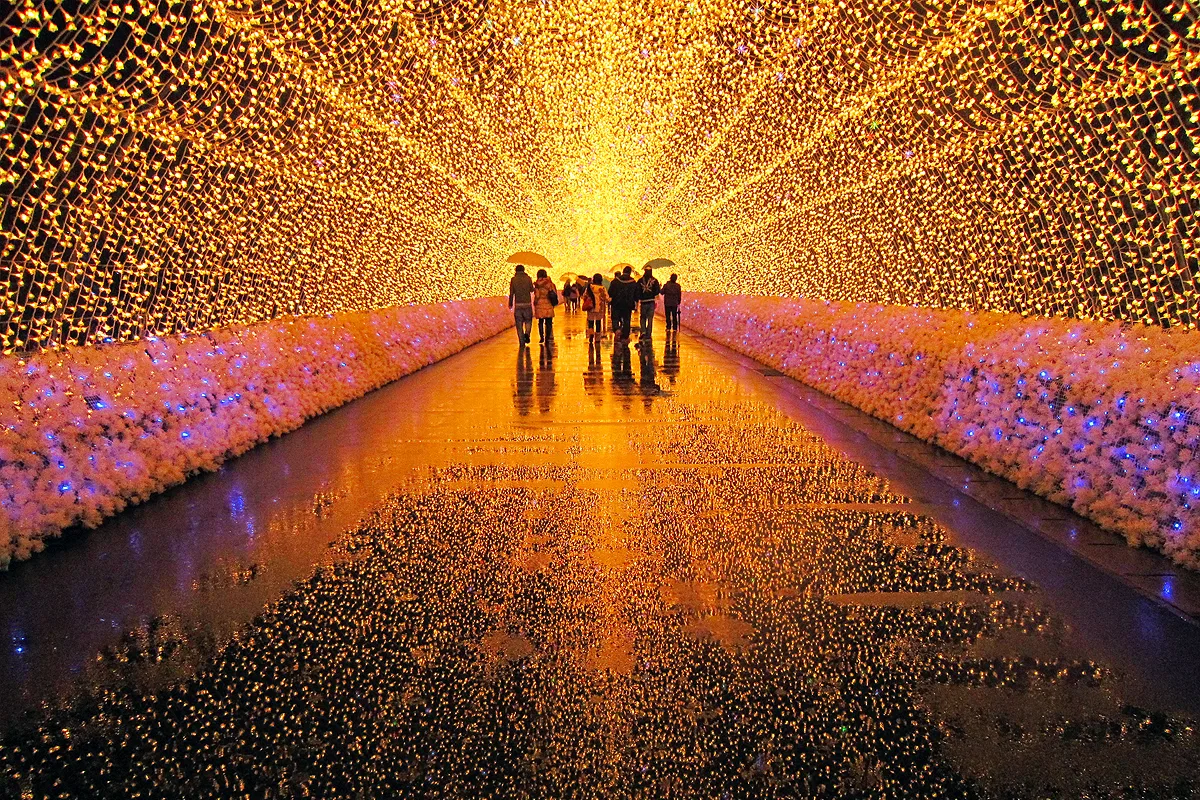
A 200-meter tunnel of light. A field of LED bulbs built into the shape of Mt. Fuji, glowing gold against a winter sky. The photos that circulate from Nabana no Sato look staged, almost too perfect for a garden in rural Mie. So the obvious question is whether it holds up in person, or whether it's a flower park with some string lights and one very good marketing photo.
Here's the short answer: most people who go come away moved, and the ones who don't almost always name the same culprit, the ticket price against what they got for it. Locals who go back year after year complain about something else entirely, and that gap is the most useful thing on this page.
Is it worth it? (in visitors' own words)
We gathered the voices of international travelers who have actually been to Nabana no Sato and read them with one question in mind: was it worth it? Here is how they fell:
Read the green bar first, because it's specific in a way marketing copy never is. One Australian couple who happened to visit on Halloween wrote that the light tunnels were "a favourite," that the flowers were "not to be missed," and that, against every expectation, "it didn't seem busy or crowded at all." A traveler from Hong Kong who went in alone at dusk said much the same thing from the opposite angle: arrive right before closing and "you'll have the whole place to yourself." Different seasons, different visitors, same discovery, the crowds are not evenly spread through the evening.
Now the red bar. It's small, one in ten, but it repeats a single complaint almost word for word. One visitor titled the review "Tourist trap" and explained why: the ticket includes a food voucher, "but the meals were very expensive and the queues were long." Another called the place "OVERHYPED," pointing at the same math from a harsher angle, "the entrance fee is already expensive, yet it does not cover all attractions." A third, writing under the title "Had so much expectation," was honest about the real cause of the disappointment: the visit landed in the off-season, "the flowers are not in bloom and the gardens look bare," and the lights alone didn't carry it. None of these three are complaining that Nabana no Sato is ugly. They're complaining that the price tag assumes a full garden and a full light show, and if you show up between seasons or expecting the voucher to cover dinner, you can end up paying full-garden money for a half-empty one.
What the Japanese reviews quietly reveal
Japanese visitors, many of them repeat visitors who come back every autumn or winter, describe a different park, in their own reviews on jalan and TripAdvisor Japan.
The green bar here comes from people who have nothing left to discover and go anyway. One reviewer, on a repeat visit, wrote that "no matter how many times I visit, it offers new enjoyment," and pointed to this year's theme built entirely from LED bulbs as reaching "the level of art." That's not a first-timer's wonder. That's someone measuring this year's show against a decade of past ones and still coming away impressed.
Now compare the two red bars, because the honest local complaints are almost never about the flowers or the lights themselves. One visitor who has gone five or six times a year for five years described a curt, intimidating exchange with staff over a three-year-old's admission fee, then wrote, flatly, "I won't go again." Another spent an extra hour and a half stuck in gridlock leaving the parking lot, called the park to ask for traffic staff, and was refused. "A fun memory turned into the worst memory," the review read. "I'm done." A third, evaluating the design of this year's illumination theme, disliked the choice of daruma dolls and lucky gods and added that being handed a shopping voucher felt like being pressured into a purchase neither wanted nor needed. And more than one reviewer noted, almost in passing, that the crowd now feels weighted toward bus tours and inbound tourism in a way it didn't used to.
That's the gap. Foreign visitors, mostly one-time guests, get frustrated by the value equation on the day: the price against the season, the voucher against the food. Japanese repeat visitors are frustrated by the running of the place itself: the parking flow, the front-desk tone, the sense that the operators are coasting on a famous name. Neither group is complaining about the actual light show. When the light show does disappoint someone, on both sides, it's for the identical reason: they saw the widely-shared photo of the main Mt. Fuji display and expected the whole park to look like that, when most of it is a garden that happens to be lit up rather than a single unbroken spectacle.
What we wish you'd noticed
The begonias are doing more work than their billing suggests. Almost every visitor who complained about a thin, flower-free visit had come in the illumination months, when the outdoor gardens are dormant. The indoor Begonia Garden, included in every ticket, runs year-round with the same large tropical blooms that reviewers keep singling out, "huge flowers," "the best part of the resort," "a beauty that left me speechless." If you're visiting for winter lights, walking through that greenhouse on the way in is the fastest way to stop the visit feeling like a garden with the flowers missing.
The crowd thins out if you know when to arrive. Multiple visitors, arriving independently and years apart, found the same trick: come right before the lights switch on, or stay until closing, and the loudest hour in between simply isn't the hour you're standing in it. One visitor's whole review was built around exactly this, get there thirty minutes before closing "and you'll have the whole place to yourself."
The voucher is smaller than the ticket price implies, and that's worth knowing before you arrive, not after. Every ticket bundles in a food-and-shopping voucher worth around a thousand yen, and several visitors did the honest math out loud: the entrance fee "works out to an effective" much lower number once you subtract what the voucher covers. That's a genuine discount. It is not, as a few disappointed reviewers discovered the hard way, enough to cover a full dinner for a family at the on-site restaurants.
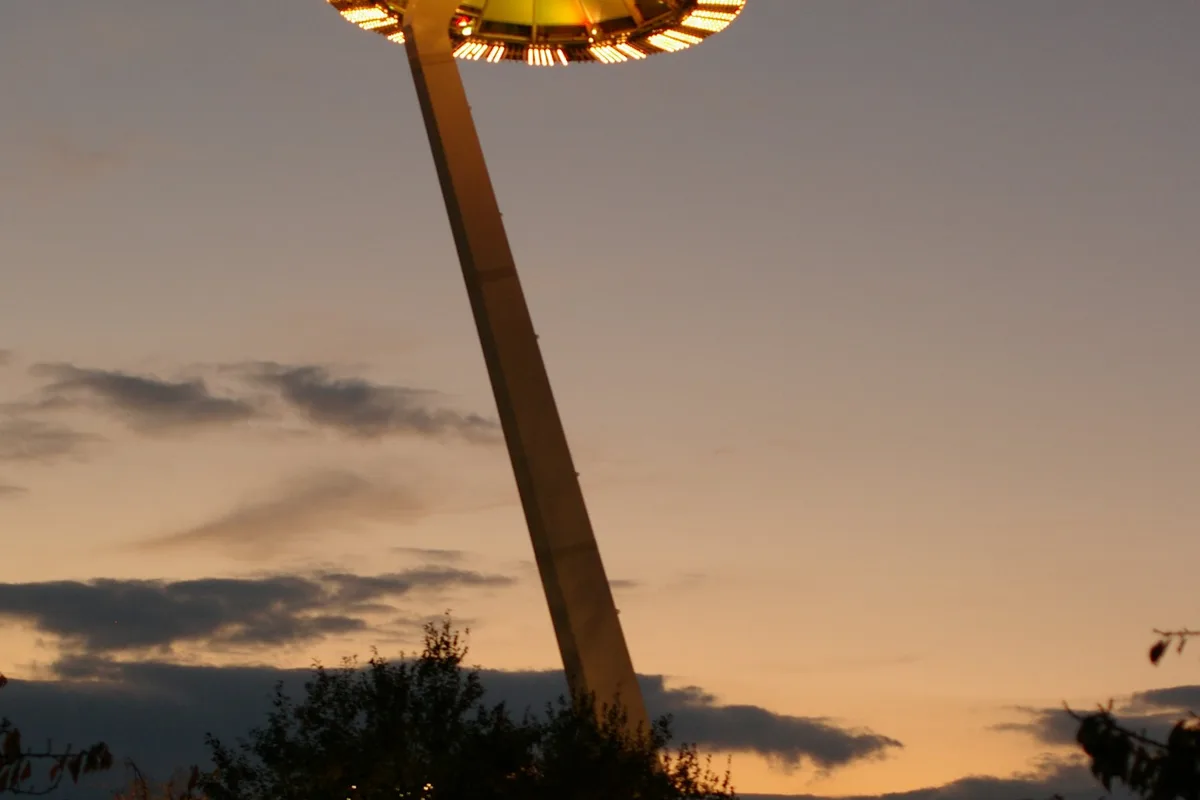
One extra-cost ride divides visitors, and it's worth knowing which side you're on before you queue. Island Fuji is a saucer-shaped observation deck that rises slowly on a tilted mast above the gardens, for about 800 yen on top of admission. One Japanese reviewer called the sight of it "glowing and slowly rising" the first thing worth noticing on arrival, and several others rode it just for the view of the whole illuminated park from above. Just as many visitors skip it and don't feel they missed anything, since the deck adds height but not a new angle on the lights themselves. Ride it for the photo from above, skip it if your budget is already stretched by dinner.
The moves that make it go well
- Check the calendar before you buy. The illumination runs from mid-October to late May, and admission rises in three or four price steps as the season gets busier, from about ¥1,700 in the flower-only summer months up to around ¥3,000 at the December peak. If the flowers matter more to you than the lights, going in spring for tulips and cherry blossoms costs less and disappoints far fewer reviewers.
- Buy your ticket at a convenience store, in advance. Same-day, on-site tickets cost more and can mean a long line at the gate. A FamilyMart or 7-Eleven ticket, bought a day or two ahead, is the same admission for less money and less waiting.
- Time your entrance around dusk, not the middle of the evening. Arrive shortly before the lights come on, or well after most tour groups have already gone, and you get the same tunnels the disappointed reviewers describe as jammed, but empty.
- Walk the Begonia Garden first. It's included in your ticket, it's open regardless of season, and it answers the single most common complaint before it has a chance to form.
- If you're driving, plan your exit before the lights even come on. More than one local review describes an hour or more stuck in the parking lot at closing time. Leaving fifteen minutes before the crowd, or taking the bus instead, avoids the one complaint that has nothing to do with the park itself.
Do most of these, and you land where three out of four visitors already do, glad they came, already thinking about which season to try next.
Curious how Nabana no Sato compares to other places that photograph better than they sometimes deliver? Start with what actually matters in Japan.
Sources
- Nagashima Resort: Nabana no Sato Fees: official current admission pricing by season (¥1,700 in the flower-only summer months, rising to ¥2,500–¥3,000 during the illumination season, up to ¥3,200 at the door), the ~800 yen surcharge for the Island Fuji observation deck, and confirmation that every ticket includes a food/shopping voucher and Begonia Garden admission, which is open year-round regardless of season.
- Nagashima Resort: Nabana no Sato Illumination: official illumination season dates (mid-October to late May) and advance convenience-store ticketing guidance.
- Nagashima Resort: Access: official directions and bus information from Nagoya.
WMJS is written in Japan, in English, with AI help. We check every page, but English is not our first language. If a sentence reads oddly, tell us. One sentence is enough.
Thank you. A person reads every note.
How well do you know Japan?
Based on 51,218+ real Japanese voices
Want to know more? Ask Japanese people
Have a follow-up question about this topic? We'll ask real Japanese people.
Voice Box →