
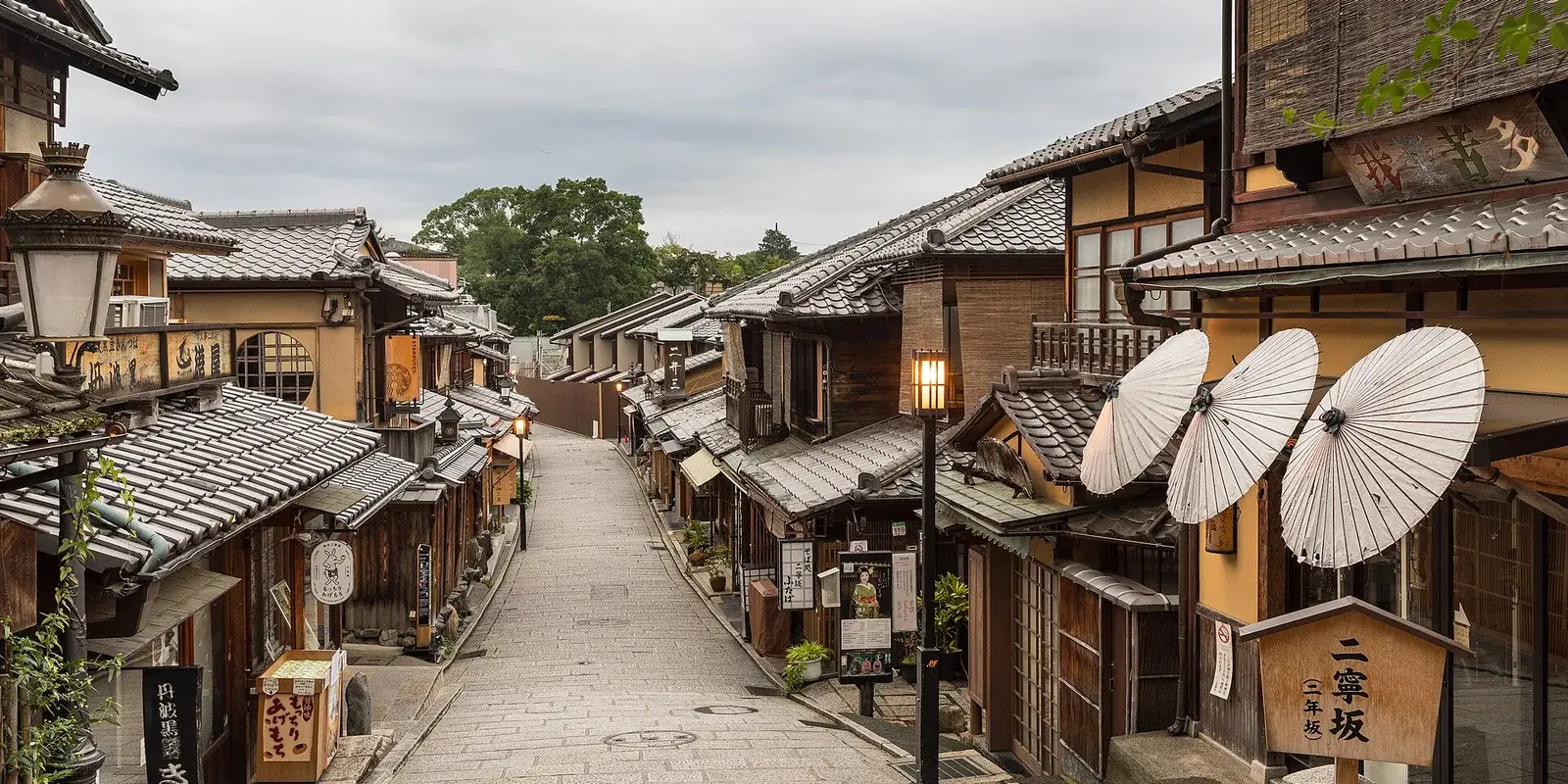
The Weight of a Kind Gesture: Why Generosity in Japan Feels Different (and How to Receive It)
What you'll learn in this article:
- Why a kind gesture in Japan can feel like it arrives with invisible "weight," rooted in the ideas of on (恩) and giri (義理)
- What 75 real stories reveal about whether Japanese people expect anything back when they help you (spoiler: they don't)
- How to receive Japanese kindness gracefully, without scrambling to "pay it back"
- How to give a small thank-you that warms a relationship instead of weighing it down
Do you owe a Japanese person something when they go out of their way for you? Almost never. We gathered 75 stories of Japanese people helping visitors: walking them to their destination, even refusing a tip. Nearly 9 in 10 wanted nothing back but the quiet joy of helping. The "weight" of obligation is real in Japan, but it's something Japanese people mostly carry for each other, rather than something they place on you.
In 89% of the kindness stories we gathered, the Japanese person who helped a visitor wanted nothing in return; many actively refused payment. The felt "debt" that follows a gift in Japan is real, but it's the giver's gift to lift, and for guests, they almost always do.
Here's a scene that happens in Japan more often than you'd think. You're lost. You show someone the name of your hotel on your phone. They don't just point: they walk you there. Twenty minutes, in the wrong direction for them, carrying your suitcase part of the way. You reach for your wallet to thank them, and they wave their hands: "No, no, please." And then they bow, and disappear back the way they came.
If that's ever happened to you, you might have felt two things at once: deep gratitude, and a small, confusing tug: I owe this person something now. How do I repay this?
That tug has a name in Japan, and understanding it is one of the most quietly beautiful things you can learn about the culture. The short version? You probably don't owe anyone anything, and learning why will change how kindness feels for the rest of your trip.
Quick Guide
| Situation | What's Really Going On | |
|---|---|---|
| 🟢 Relax | Someone helps you and refuses payment | They mean it. Helping a visitor is its own reward: 89% of the stories we found involved no expectation of return. A warm thank-you is all that's needed. |
| 🟢 Good to know | A host or friend gives you a small gift | Accept it graciously. You don't need to rush out and buy something back. The gift is a sign you matter to them; let it be that. |
| 🟡 Worth knowing | You want to thank someone with a gift | Keep it small and personal. A big or expensive gift can quietly trigger okaeshi (the return-gift reflex) and turn your kindness into pressure. |
| 🔴 Worth noting | The "weight" is real, among Japanese people | Between Japanese people, a generous gift creates a felt duty to return roughly half its value. This is why staying light matters, but as a guest, you're almost always exempt from the math. |
The one thing to remember: In Japan, a kind gesture creates a quiet sense of on: a feeling of warm indebtedness. Among Japanese people, that feeling drives a careful cycle of giving back. But when someone is kind to you, a visitor, they're giving freely, with no scorecard. The best way to honor it isn't to repay it; it's to receive it warmly, and pass the kindness on.
How We Gathered These Voices
We drew on 75 first-hand accounts of Japanese people helping or welcoming foreign visitors (collected from public platforms, regional tourism case studies, and Japanese media), alongside 55 candid Japanese voices about the obligation to reciprocate gifts. Sources range from government and tourism-agency reports (JNTO, the Agency for Cultural Affairs, CLAIR) to national media (nippon.com, Toyo Keizai) and everyday personal essays.
A quick note: This isn't a controlled scientific survey; it's a collection of what real Japanese people said and did, in their own words. Most guides simply tell you "Japanese people are polite." We wanted to show you the feeling underneath it, because once you understand that feeling, ordinary moments of kindness suddenly make a lot more sense.
First, the Biggest Surprise
One idea reframes everything here: when a Japanese person helps a visitor, they're almost never keeping score.
We expected to find at least a quiet undercurrent of "well, I helped, so I hope they appreciate it." Instead, story after story described something closer to delight: people who felt lucky to be the one who got to help.
観光客の方が道に困ってたので、目的地まで案内をしたらとても喜ばれた。拙い英語でも伝わり、お礼を笑顔で言われた。 A tourist was lost, so I walked them all the way to their destination, and they were so happy. Even my broken English got through, and they thanked me with a big smile.
外国人が日本をエンジョイしているのを見るのは本当に癒される。 Watching foreign visitors truly enjoy Japan is genuinely healing to see.
And then there are the moments that go far beyond what anyone would expect, and still come with a firm refusal of any reward:
お寺を観光していたら、お年寄りの男性が声をかけてくれて、その後1時間も丁寧に案内してくれた。チップを差し出したら断って「No! No! No! I love my country!」と言った。 While visiting a temple, an elderly man spoke to me and then guided me around for a full hour. When I tried to tip him, he refused, saying "No! No! No! I love my country!"
That last line, I love my country, captures something important. For many Japanese people, helping a visitor isn't a transaction at all. It's a small act of pride: this is who we are, and I want you to leave thinking well of us. There's no invoice attached.
What a Japanese Person Feels When They Help You: The Temperature Gauge
So if they're not keeping score, what are they feeling? We sorted 75 accounts of Japanese people helping visitors by the emotion underneath the act.
The "joy" stories are the heart of it. A salaryman who ran five minutes through the summer heat to get someone to their bus on time. A man in Shizuoka who spent twenty minutes walking a lost traveler to their hotel, in the opposite direction from his own home, carrying their suitcase the whole way. A taxi driver in a remote village who drove visitors all the way to the airport and then refused both the fare and gas money, waving them off with a smile.
新宿駅でバスを探してパニックになっていたら、サラリーマンが真夏の中、一緒に5分間走ってバスまで連れていってくれた。 I was panicking at Shinjuku Station looking for my bus, and a salaryman ran with me for five full minutes in the summer heat all the way to the stop.
静岡で夜遅くにホテルが見つからなかったとき、日本人の男性が20分かけて送り届けてくれた。彼の家は反対方向で、スーツケースまで運んでくれた。 When I couldn't find my hotel late at night in Shizuoka, a Japanese man spent 20 minutes walking me there. His home was in the opposite direction, and he even carried my suitcase.
The small "matter-of-fact" group isn't cold; it's just people who genuinely don't see helping as a big deal. As one person put it, describing how they handle being stopped by a lost visitor:
場所が分からなかったり説明できない場合は、知っていそうな人やお店に一緒に行って一緒に尋ねてあげる。誠意を示す方法として。 If I don't know the place or can't explain it, I go together with them to a shop or someone who might know, and we ask together. That's how I show I mean it.
And the small red sliver? It isn't hostility; it's a gentle conditional you'll see echoed across Japan: kindness flows most easily toward visitors who show care in return. Not money or gifts. Just respect for the place and the people in it.
💡 The real motivation
When a Japanese person helps you, the reward they're after isn't repayment; it's the moment itself. Many describe helping a visitor as a small point of national pride, or simply something that makes their day brighter. Your genuine "arigatou gozaimasu" and a warm smile is the return gift.

The Cultural Engine: Why a Kind Gesture Has Weight
So if visitors are usually off the hook, where does the famous Japanese sense of obligation come from? It's worth understanding, because it explains both the kindness you'll receive and why staying light when you give matters so much.
On (恩): The Warmth of Being Helped
On is the feeling you get when someone does something kind for you: a warm sense of gratitude mixed with a quiet awareness that you've received something. It's not guilt, exactly; it's closer to "this person was good to me, and I want to be good to them too." That tug you felt when the stranger walked you to your hotel? That was a flicker of on.
In Japanese culture, on is treated as something precious: a thread that connects people. The instinct it creates is to honor the kindness somehow, someday. Between close relationships, that instinct becomes more formal.
Giri (義理) and Okaeshi (お返し): The Cycle of Giving Back
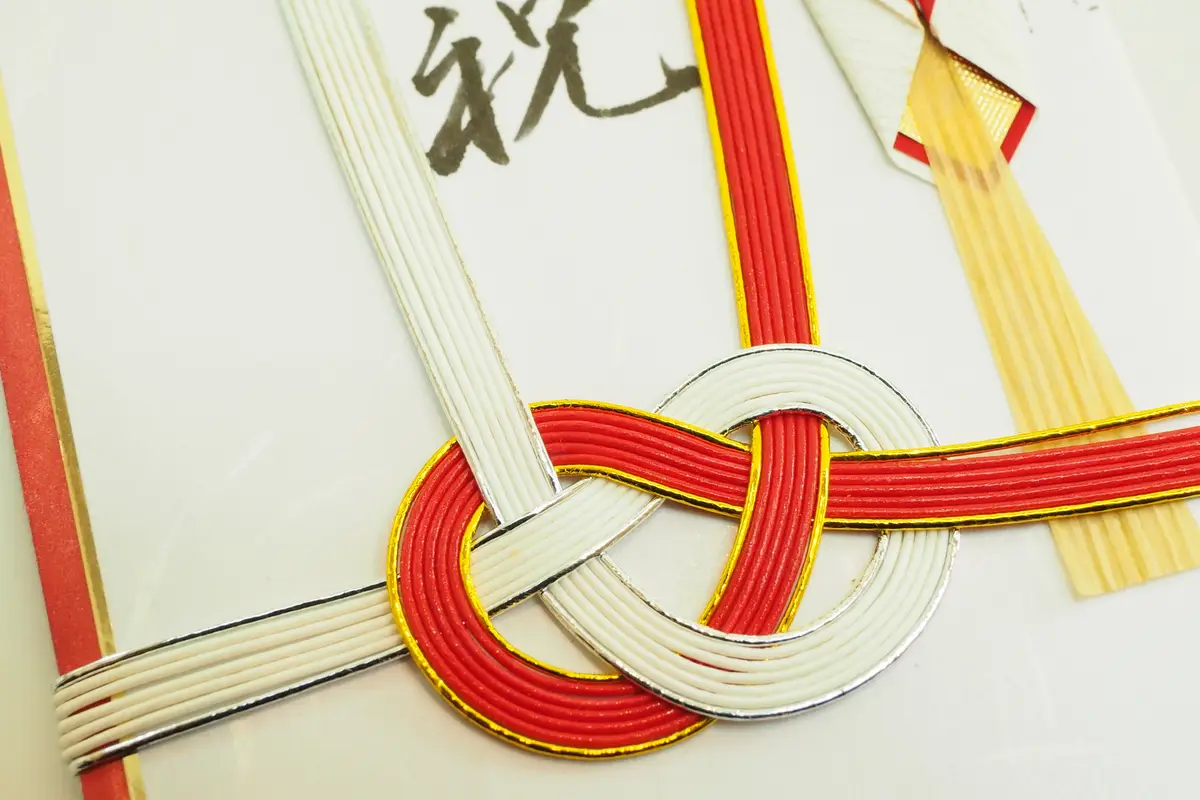
Among Japanese people, a significant gift or favor tends to create giri, a felt social duty to reciprocate, which often takes the shape of okaeshi, a return gift worth roughly half the original. It's a beautiful system in principle: kindness circulates and relationships stay balanced.
But here's the honest part. When we looked at how Japanese people actually feel about this duty, the warmth gives way to something heavier. Across 55 candid voices about the obligation to reciprocate, the large majority described it not as joy but as a quiet burden:
人に何かをもらうと、すぐ「お返ししなきゃ」と思ってしまう。人の好意を素直に受け取れません。 Whenever I receive something, I immediately think "I have to return the favor." I can't just accept someone's kindness gracefully.
贈り物は、プレッシャーだ。相手の好意が、逆に苦しい。 A gift is pressure. The other person's goodwill becomes, paradoxically, painful.
お返しはいらないよ!って言っても返ってくるのが正直ちょっと残念。 Even when I say "you really don't need to return anything," getting a return gift back is honestly a little disheartening.
This is the key to the whole thing: Japanese people know this weight intimately, and many wish it were lighter. We explored this gift-specific cycle in depth (including the safe price range that avoids triggering it) in The Gift That Isn't About the Gift. It's the same mechanism that makes tipping in Japan feel awkward rather than generous: unsolicited money lands as a debt to be sorted out, not a thank-you to be enjoyed.
Why They Lift the Weight for You
Now the warm twist. Because Japanese people know how heavy the obligation cycle can feel, they tend to deliberately keep it away from guests. When someone helps you and refuses payment, they're not just being modest; they're protecting you from the very scorekeeping they navigate among themselves. They're saying, in effect: this one's free. No return required. Just enjoy Japan.
This connects to omoiyari: the Japanese habit of imagining what someone else needs before they ask. A thoughtful host senses that a foreign guest doesn't know the rules of okaeshi, and rather than burden you with them, they simply absorb the weight themselves. That's not a loophole. That's the kindness operating at its deepest level.
海外で困っていたとき、現地の人がパッと運賃を払ってくれた。日本でも外国人に困ったことがあれば恩返しがしたい。 When I was in trouble abroad, a local just paid my fare for me. I want to repay that kindness by helping foreign visitors here in Japan.
Notice what that person is doing: they received on from a stranger in another country, and they're "repaying" it by helping a different stranger here. The debt doesn't get settled with the original giver; it gets passed forward. That's the most graceful way the cycle resolves, and it's exactly the move available to you.
A Generational Note Worth Knowing
One more thing that makes this easier. The formal obligation cycle is loosening, especially among younger Japanese people. Many in their 20s and 30s openly find the rigid okaeshi and seasonal-gift customs more tiring than meaningful:
返さなきゃいけないみたいな風習があるからめんどくさいよね。 There's this custom where you feel you have to return things, and honestly it's a hassle.
もらったら嬉しいけど、あげるのは面倒。 I'm happy to receive something, but giving back feels like a chore.
But here's what's important: the decline is in obligatory gift-giving, not heartfelt gift-giving. Younger Japanese people aren't rejecting the small, thoughtful gesture given freely; they're rejecting the math, the scorekeeping, the "I have to." Which means the kind of light, genuine warmth a visitor offers is more welcome than ever. You're arriving in step with where the culture is already heading.
So What Do You Actually Do?
This is the practical heart of it, and the good news is that it's simpler than the cultural machinery behind it.
When someone helps you:
- A warm, genuine "arigatou gozaimasu" and a small bow is the perfect response. That is the return gift.
- Don't insist on paying or pressing money or a gift on someone who's clearly declining. A firm refusal in Japan is sincere; pushing past it can turn a lovely moment awkward. (The same logic explains why tipping doesn't land the way you'd expect.)
- If you want to honor the kindness, pass it on. Help the next lost traveler. Leave a place better than you found it. That's how the cycle is meant to flow.
When you receive a gift from a host or friend:
- Accept it graciously. Repeatedly saying "oh, that's too much, I couldn't" can actually make the giver feel awkward.
- You truly don't need to rush out and buy something back. A heartfelt thank-you, and maybe a photo or message later about how you enjoyed it, means more than a counter-gift.
When you want to give something:
- Keep it small, personal, and from the heart. Something from your home country with a little story behind it works beautifully.
- Resist the urge to go expensive. In Japan, a large gift can quietly switch on the okaeshi reflex and leave your host calculating what they now "owe" you, the opposite of what you intended. For the specifics on what to bring and the price range that stays light, see The Gift That Isn't About the Gift.
- Remember that the people who serve and host you are often most moved not by gifts at all, but by small signs that you noticed and appreciated their care.
The whole thing comes down to a single shift in thinking. A kind gesture in Japan isn't a debt to be repaid; it's a thread of connection being offered to you. You don't settle it. You hold it gently, say thank you, and let it become part of why you'll remember Japan warmly long after you've gone home.
Share Your Experience
Has someone in Japan been unexpectedly kind to you: walked you somewhere, refused a tip, handed you a small gift out of nowhere? Did you feel that warm tug of "how do I thank them?" We'd love to hear your story. It helps build a bridge between cultures.
Share your experience on Voice Box →
More Japanese Perspectives
Curious about other sides of generosity and connection in Japan? These articles explore what Japanese people actually think, based on hundreds of real voices.
- What Happens When You Tip in Japan?: 411 Japanese people explain why your tip might be chased down the street, and what they'd rather you do instead.
- The Gift That Isn't About the Gift: Why a ¥500 regional sweet can outshine a luxury box, and the safe range that keeps a gift light.
- The People Behind Omotenashi: What Japanese service workers actually feel, and the one small gesture that stays with them for years.
- Omoiyari: The Concept That Explains Everything: 358 Japanese people define the untranslatable word behind Japan's invisible thoughtfulness.
Sources
Primary Research Data
- WMJS research collection on spontaneous hospitality toward visitors (75 first-hand accounts, collected May 2026)
- WMJS research collection on gift-reciprocation feelings (55 Japanese-language voices, collected May 2026)
Reference & Statistical Sources (Tier 1–2)
- Japan National Tourism Organization (JNTO), regional exchange-tourism case study: https://www.jnto.go.jp/projects/regional-support/casestudy/3867.html
- Agency for Cultural Affairs (文化庁), Japan Heritage inbound report (PDF): https://www.bunka.go.jp/koho_hodo_oshirase/hodohappyo/pdf/93941101_02.pdf
- CLAIR (Council of Local Authorities for International Relations), rural inbound case study: https://economy.clair.or.jp/casestudy/inbound/726/
- nippon.com, feature on rural guesthouses welcoming foreign guests: https://www.nippon.com/ja/currents/d00370/
- Toyo Keizai Online, on rural Japan's appeal to foreign visitors: https://toyokeizai.net/articles/-/210507
- IIBC survey on Japanese people's positive experiences with foreign travelers (via PR Times): https://prtimes.jp/main/html/rd/p/000000176.000051295.html
- hint-pot, British journalist Michael Church on Japanese hospitality: https://hint-pot.jp/archives/175267
Opinion Collection Sources
The following platforms were used to collect Japanese people's voices and lived experiences. They are not cited as factual authorities, but as places where real Japanese people expressed how they feel.
- BuzzFeed Japan "unforgettable memories in Japan" feature: https://www.buzzfeed.com/jp/kylaryan/japan-omoide
- Public Japanese Q&A sites, forums, and social posts: first-hand opinions on visitor kindness, rural hospitality, and the weight of gift-reciprocation (okaeshi)
Note on Quotations
Quotes from online platforms have been lightly edited for readability (fixing typos, formatting for clarity). The meaning and intent of each comment remain unchanged. Original sources are linked above. The ¥500 regional-sweet price point mentioned in the "The Gift That Isn't About the Gift" link above is a respondent-quoted figure from WMJS's own research collection for that article; see that article's Sources section for the full price-point breakdown.
WMJS is written in Japan, in English, with AI help. We check every page, but English is not our first language. If a sentence reads oddly, tell us. One sentence is enough.
Thank you. A person reads every note.
How well do you know Japan?
Built from 635 public posts by Japanese people
Want to know more? Ask Japanese people
Have a follow-up question about this topic? We'll ask real Japanese people.
Voice Box →