
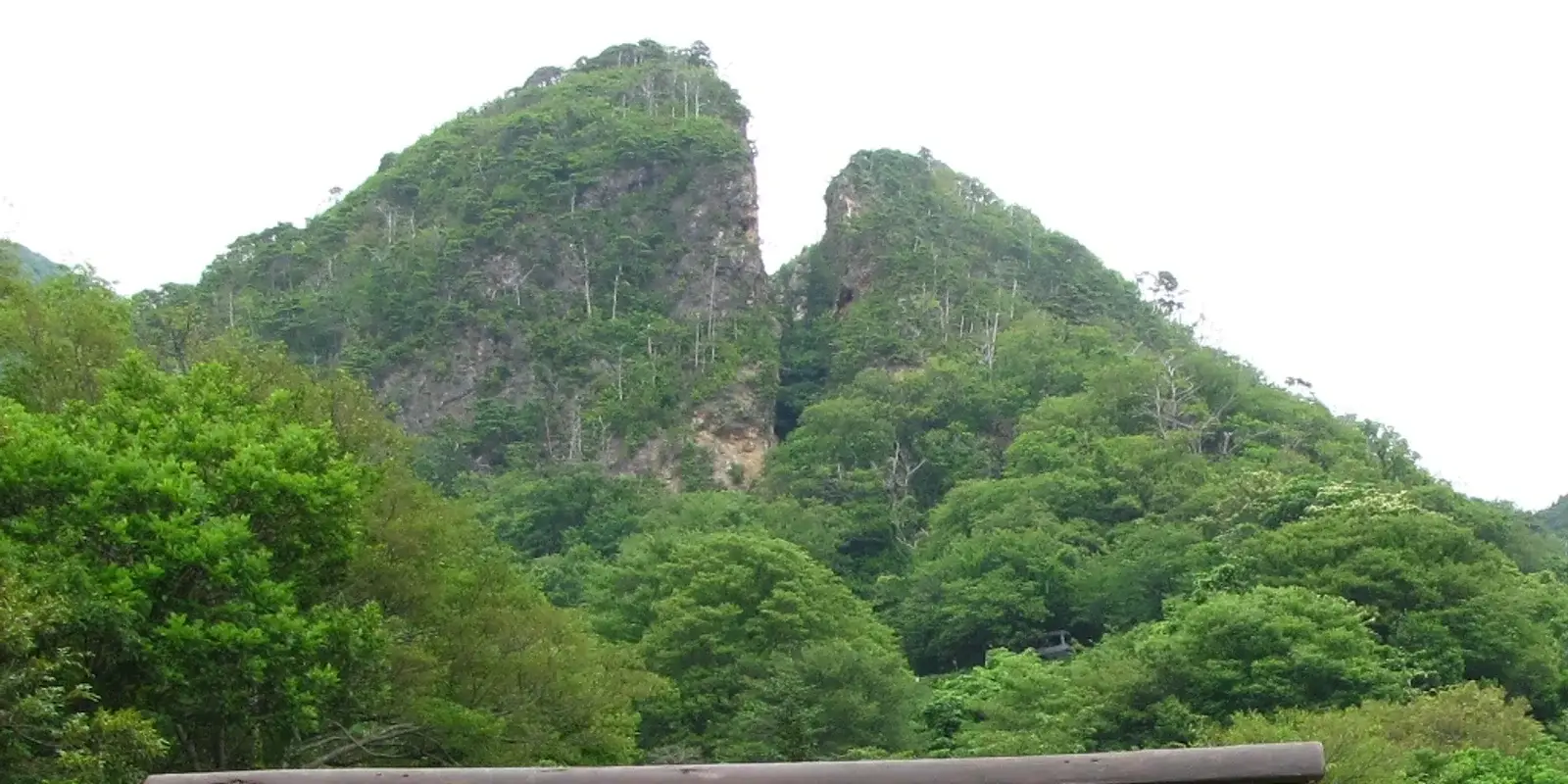
Is Sado Island Worth It? What Visitors and Locals Actually Say
You've seen the pitch: a gold mine that built a shogunate, a fishing village frozen in the 1800s, women paddling round tub boats through clear water. Then you check the map and notice Sado is a 67-minute jetfoil (or a 2.5-hour car ferry) off the coast of Niigata, with a coastline of 280 km and almost no train line. Is that worth a day of your trip? Two days? Is it worth the ferry at all?
The quick version: most people who go come away glad they did. The ones who don't tend to make the same mistake, trying to see Sado in an afternoon.
Is it worth it? (in visitors' own words)
We gathered the voices of international travelers who have actually been to Sado, on Reddit and TripAdvisor, and asked, in effect, was it worth it? Weighted by how strongly each opinion resonated with other readers, here is how they fell:
The enthusiasm is not vague. People who went out of their way to reach Sado tend to say it straight: "Sado is so beautiful." One visitor put it just as simply: "Sado's a fantastic, underrated spot." And weighing a slow, out-of-the-way trip to the Gold Mine against the effort it took to get there, another landed firmly on yes: "It was totally worth it. If you have time for only one sight on Sado Island, go to the Gold Mine!"
The small red slice is telling, and it clusters around one thing: arriving somewhere expecting a scene and finding it closed, empty, or smaller than the story promised. "You were here in June, and nothing was open," one visitor wrote of a fishing port, calling it "like a ghost town." Another, weighing a historic shipwrights' village against its reputation, landed on a flat verdict: "Interesting, but not a compelling stop." None of these are complaints about Sado being a bad place. They're complaints about arriving unprepared for a small island that runs on its own schedule.
How the people who live with it feel
Japanese visitors and Sado's own residents review the same island in their own words, on Japanese travel-review and Q&A sites such as 4travel.jp. It is a warmer register overall, but it carries a more explicit hesitation, too.
Notice that the "it depends" band is nearly twice the size of the foreign one. That gap is the most useful thing on this page. Where international visitors tend to answer a flat yes or no, Japanese reviewers answer with a condition attached, most often about pace. A traveler with three trips to Sado answered a forum question about whether it was worth visiting this way: "if you don't have anything in particular you want to see, you can honestly do it in one night, two days... but you need to bring one purpose with you, or the trip turns into a shapeless drift." A more clipped answer to the same question read, "honestly, it's not really what I'd call fun," before recommending it anyway as "a place to unwind rather than a sightseeing destination."
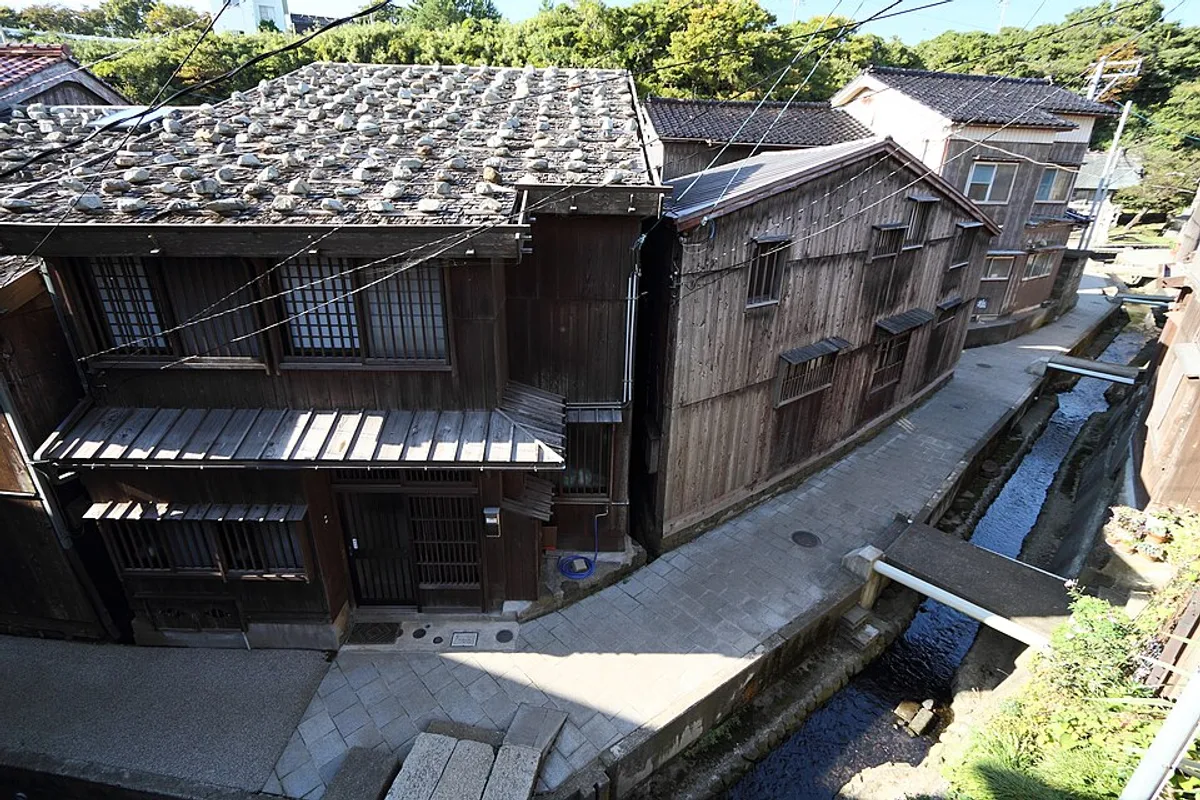
The honest hard moments echo the same theme as the foreign red slice: arriving to find less than expected. One fishing trip, by the writer's own account, ended as "a failed trip": despite Sado being a tourist destination, the towns along the way felt bleak, and the writer went home without a single catch. A visit to Shukunegi's preserved shipwrights' village got a low rating and a plain verdict: "smaller than I'd imagined." A different kind of discomfort shows up in one more review, about walking the village's narrow lanes past houses where people still live: "since it's a place where people actually live, I felt a bit self-conscious about turning it into a sightseeing spot."
What we wish you'd noticed
Sado is really big. Sado's own tourism board says it plainly: with 280 km of coastline, the island is "bigger than you might expect." The Sado Gold Mine's operator puts a number on the same fact, describing Sado as about one and a half times the land area of Tokyo's 23 wards. There is no train line. A rental car, an e-bike, or a carefully timed bus pass is how the island actually works. Half the disappointed voices in both gauges above trace back to this single, avoidable surprise.
The headline sight has a real claim behind it. The Sado Gold Mine (Sado Kinzan) operated from 1601 until 1989, and in July 2024, UNESCO inscribed the "Sado Island Gold Mines" as a World Heritage Site. The tunnels you walk through, complete with the animatronic miners several reviewers mention, are the same shafts that funded the Tokugawa shogunate for most of three centuries. That history is likely why the gold mine, alone among Sado's sights, drew almost no disappointed voices in either gauge.
The complaint has a shape, and it's almost always the itinerary. Nearly every visitor who called Sado disappointing had done it as a rushed day trip. Nearly every visitor who called it magnificent had planned for an overnight or built in slack. One Reddit thread on a day-trip question drew this reply: "I think you would have a bit more fun if you did it in two days and you wouldn't have to rush so much."
Doing it well, the welcomed way
Everything above resolves into a shape that both gauges quietly reward.
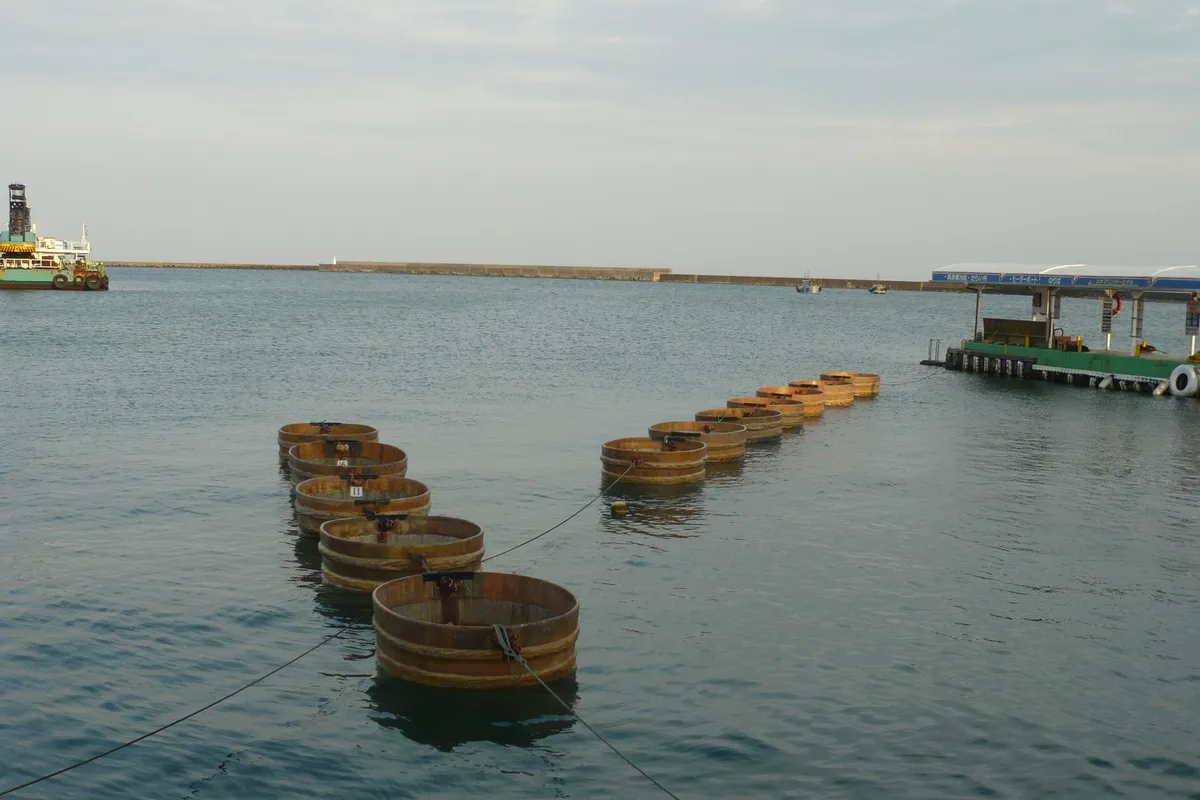
- Give it two days if you can, one full day at the least. The gold mine, a tarai-bune ride, and Shukunegi's shipwrights' village sit in three different corners of a very large island. Cramming all three into a single ferry-to-ferry day is exactly the itinerary that produced this page's red slivers.
- Rent a car or e-bike at the port. Buses run, but on a reduced schedule outside the main season, and several reviewers who tried to wing it on foot ended up calling a taxi or missing the last bus back.
- Go to the Gold Mine for the two-tunnel combined course. The Edo-era Sodayu course and the Meiji-era Doyu course are offered on a combined ticket (confirm current pricing and hours before you go); almost every visitor who compares them recommends seeing both.
- Visit Shukunegi in the morning, and step inside a couple of the houses open to the public. The village is genuinely small, some reviewers call it a 30 to 60 minute walk, so pair it with a tub-boat ride at the same cove.
- Don't expect a shop on every corner. More than one visitor mentioned a closed cafe or a missing convenience store outside the main towns. Pack snacks and cash; buses on Sado have historically run on coin and small-bill fares, so check current payment options before you board.
- If a fishing village looks quiet, it probably is one. Several of the honest low-scoring reviews, on both sides of the language line, are really describing an ordinary, half-emptied coastal town. That quiet is real Sado.
Do this, and the visit tends to land where most of the green in these gauges lands: a big, slow island that rewards people who stop treating it like a checklist between two bigger cities. It's a place you stay a night in.
Is it worth it, in the end? Bring a full day, ideally two, rent something with wheels, and go in already knowing the gold mine is real, the village is small, and the quiet coastline is the point. Do that, and Sado tends to meet you the way the four out of five green voices above describe it: worth the ferry, worth the detour, worth going back to.
Still deciding which places actually earn a slot on a Japan trip? Start with what actually matters in Japan.
Sources
- Ministry of Foreign Affairs of Japan, Inscription of the "Sado Island Gold Mines" on the World Heritage List (2024-07-27): official record of the UNESCO World Heritage Committee's decision at its 46th session.
- GOLDEN SADO CO., LTD, Historic Site Sado Gold Mine, official site: mine operated 1601-1989 (Aikawa Gold and Silver Mine); course structure and admission hours; Sado is about 1.5 times the land area of Tokyo's 23 wards.
- Sado Kisen Co., Ltd, official site: jetfoil crossing time of 67 minutes, Niigata-Ryotsu route.
- Sado Tourism Association, Visit Sado official site, Getting Around Sado: 280 km of coastline, described as "bigger than you might expect"; bus fare, payment, and seasonal-schedule details.
- Sado Tourism Association, Visit Sado official site (Japanese), beginner's access guide: car ferry crossing time of approximately 2 hours 30 minutes, Niigata-Ryotsu route.
WMJS is written in Japan, in English, with AI help. We check every page, but English is not our first language. If a sentence reads oddly, tell us. One sentence is enough.
Thank you. A person reads every note.
How well do you know Japan?
Based on 51,218+ real Japanese voices
Want to know more? Ask Japanese people
Have a follow-up question about this topic? We'll ask real Japanese people.
Voice Box →