
How Japan Works
Is Kurokawa Onsen Worth It? What Visitors and Locals Actually Say
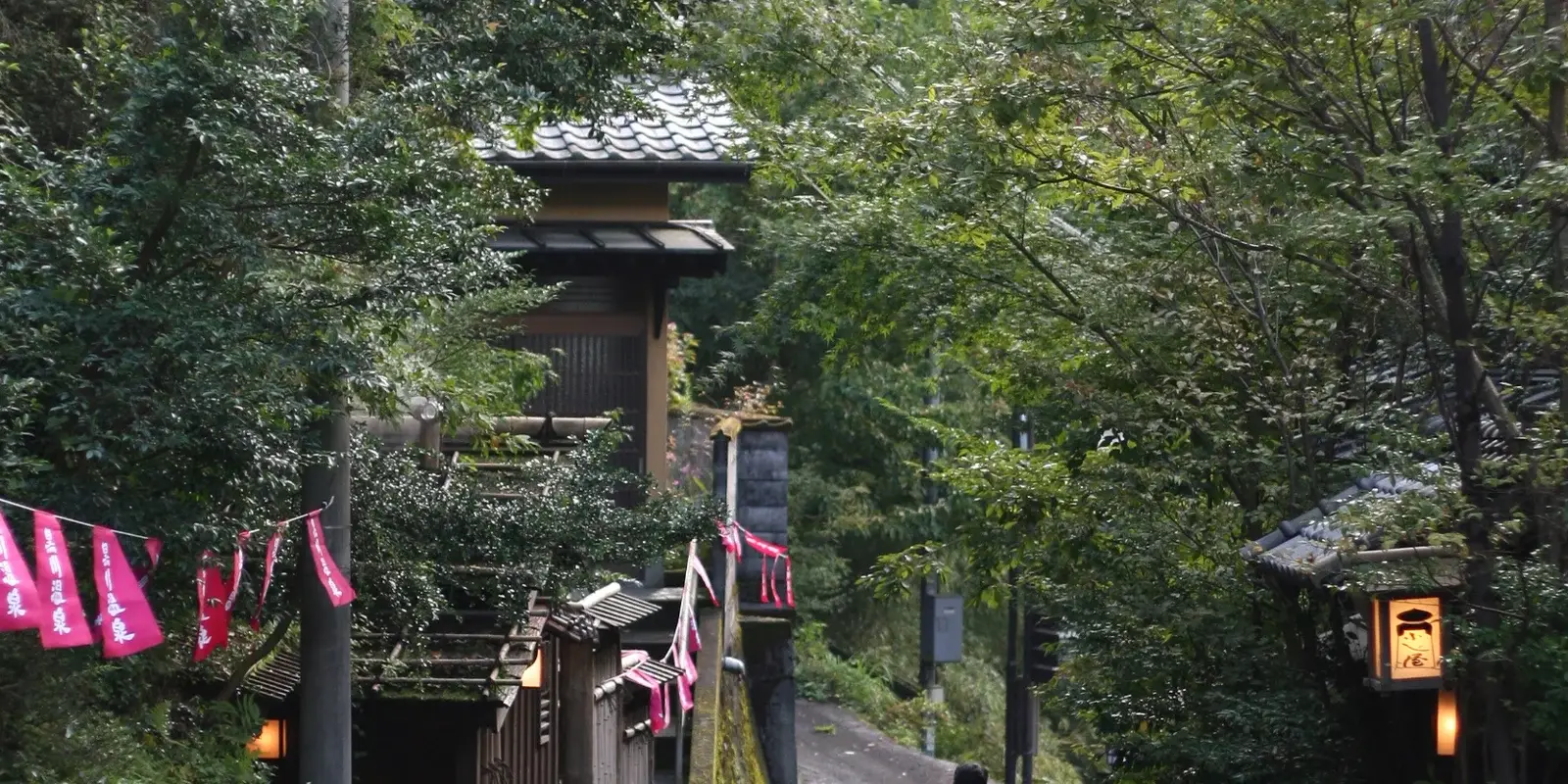
Kurokawa shows up on every Kyushu onsen shortlist: a river town of around thirty wooden ryokan, a wooden pass that lets you hop between their outdoor baths, and a reputation as one of Japan's prettiest hot spring villages. It also has no train station, buses run only a few times a day, and visitors keep asking the same question before they book: is the trip actually worth it?
Of the 107 posts by visitors from abroad we read, 76 were glad they went. Of 45 posts by Japanese visitors and locals, 28 said the same. Among the 11 foreign posts that weren't convinced, five raised bus or taxi difficulties and two came from a thread about a short day-tour stop. Staying the night and planning the day around the bus timetable, rather than around a car you don't have, addresses most of what drives that hesitation.
Is it worth the trip? (in visitors' own words)
We gathered posts from international travelers who have actually been to Kurokawa, on Reddit, TripAdvisor, japan-guide.com's question forum, and a Taiwanese travel forum, and sorted them by how each person felt once they'd gone.
Of the 11 posts in the red, five are about transport rather than the town itself: a visitor stranded when snow halted the buses and no taxi was available, a one-line complaint that buses run only a few times a day, two replies on japan-guide.com's forum from the same visitor warning that public transport alone won't get you a day trip out of Kurokawa, and a comment that taxis in Kumamoto are hard to come by generally. Two more come from the same thread on that Taiwanese forum, where a question about a ninety-minute tour stop in Kurokawa drew a mix of replies: "黑川溫泉就超小的溫泉街 不住宿感覺沒啥好去的" (it's such a small onsen street, without staying there's not much reason to go), and "黑川一日遊去過,覺得沒住宿好像不太需要去" (been there on a day trip, felt like it's not really worth going without staying). Seven other replies we collected in that same thread tell a fuller story: four people who'd actually taken the tour described it more warmly: one soaked in two baths and liked both, two found it rushed for bathing but fine for a walk around town, and the fourth broke off from the group entirely to book a ryokan for the night instead: "在黑川訂溫泉旅館住一晚,讚讚讚" (booked a ryokan in Kurokawa for the night, so good); one more reply agreed that two hours alone isn't quite enough to be worth forcing into a schedule. The rest of the 11 are a rained-out visit, someone who spent two days there and enjoyed the drive more than the visit itself, a cancelled overnight stay over price, and a japan-guide.com reply calling Kurokawa a fine base for driving the surrounding region but not much else.
Set against the red is a much larger body of people recommending it outright. Replying to someone weighing whether to keep Kurokawa in their itinerary, one Reddit user wrote: "I would take the time to go to kurokawa. Of all the places I have ever ever been in japan, kurokawa has to be one of my absolute favorites." Another, ranking it against four other onsen towns after touring Japan's hot spring villages for two weeks: "Kurokawa is probably #1 overall".
What Japanese visitors say
Japanese visitors and locals write about Kurokawa too, mostly in their own TripAdvisor.jp reviews, with a Japanese Q&A site and YouTube comments.
Reviewers living in Japan were a little more critical than visitors from abroad, 16% against 10%. Two of the seven red posts compare Kurokawa to another onsen town: one, writing in 2019 that even overnight guests pay ¥1,300 for the tegata pass, measured it against Kinosaki Onsen's free system, which they had visited, "城崎温泉に訪れた時には、宿泊者には無料で外湯も回れて、それが当たり前と思っていたので高いな、と感じました" (at Kinosaki Onsen, staying guests can use the outer baths for free, so I was used to that being normal, and this felt expensive); another simply preferred Yufuin's visitor facilities, without saying whether they'd been. A third red post, from someone writing just across the Oita border, called it a bore unless you're set on bathing at several ryokan in one visit. The remaining four cover a cold walk between baths in December, a gap between the TV coverage and the real thing, the small number of restaurants, and gender bath allocation (below). Separately, a Kumamoto-based reviewer, writing in 2017, gave a mixed verdict: the town's reputation had softened since around 2016, "昔ほどのブランド力が落ちてきて、魅力も少しづつ落ちつつあるのが正直な感想" (honestly, the brand power has faded from what it used to be, and the charm is slipping a little at a time), but they still called it worth one visit.
One 2020 reviewer raised something visitors almost never mention: across the town, they felt, men's open-air baths tended to be larger with better views, and not every ryokan lent a bathing wrap to women who wanted one. A newer source changes the picture, though: following a Kumamoto Prefecture ordinance revision, Kurokawa no longer has mixed-gender open-air bathing, and the ryokan association's own FAQ now directs couples and families who want to bathe together to a private bath instead, with overnight guests given priority after 3 p.m. A separate 2020 reviewer, describing a ryokan whose mixed bath had a women-only 8-to-10-p.m. slot, wrote that its English-language support meant overseas guests could feel at ease staying there. If bathing privacy matters to you, ask at the information center, Kaze no Ya, or your ryokan directly, since layout still varies bath by bath.
What we wish you'd noticed
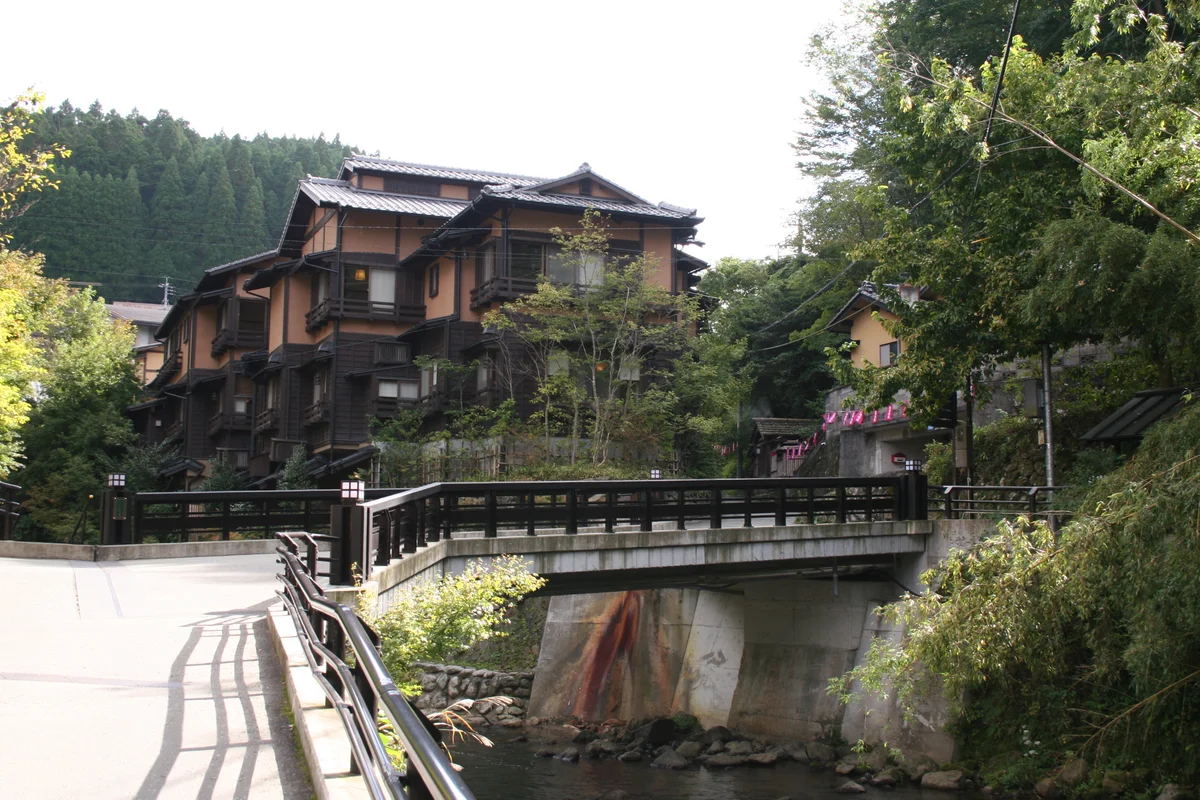
Kurokawa is small. About thirty ryokan line a short stretch of the Tanohara River, and the ryokan association itself says the town can be walked around in 15 to 20 minutes, though a handful of outlying ryokan sit thirty minutes or more from the center. Several of the less convinced posts describe exactly this: expecting a bigger resort town, or trying to see it in ninety minutes between other stops. Posts that describe a slow afternoon instead, an onsen, a sweet, a stroll by the river, another onsen, read very differently.
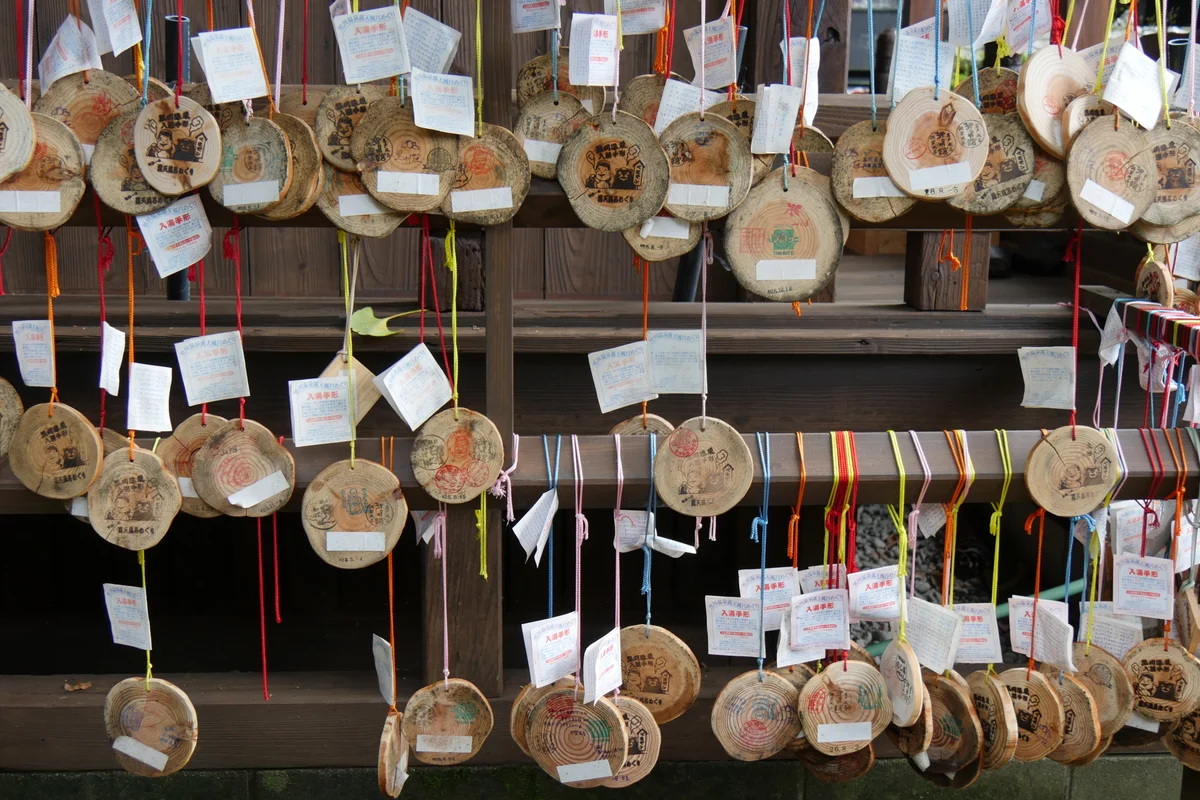
The wooden pass is the whole idea behind that slowness. The nyūtō tegata (入湯手形) started in 1986, during Japan's bubble economy, so two ryokan without their own outdoor baths wouldn't be left out: around 25 of the town's roughly 30 ryokan now take part, and one pass lets you bathe at three of them for a flat fee. According to the ryokan association's own site, checked November 2026, an adult pass is ¥1,500, valid for six months, with participating baths generally open 8:30 a.m. to 9 p.m. (last entry 8:30 p.m.). Reviews from 2015 to 2019 often quote ¥1,300; the price has since risen, so check the current figure before you budget. Doing all three baths typically takes two to three hours; add a slow walk and it's an easy half-day.
There's no train, so the bus timetable has to come first. Kurokawa sits in the mountains of Minamioguni, Kumamoto Prefecture: by car, it's about an hour from Mount Aso, Yufuin or Hita. By bus, the ryokan association's own guidance says departures from Kumamoto, Yufuin and Hakata run only three times a day on each route, and all of them are reservation-only, booked by the day before. A direct bus from Hakata takes about 2 hours 45 minutes, and the Kyushu Odan bus from Kumamoto Station about 3 hours. Taxis exist but are scarce, with one local company covering the village itself. One traveler posted to a Taiwanese travel forum after heavy snow halted the buses, unsure whether the afternoon departure would run at all, with no taxi available either; they ended up walking to a neighboring ryokan, asking other guests who were checking out, and catching a lift with a group that had a spare seat. It worked out, but it's a real possibility in December through March, so build in a buffer if you're visiting then without a car.
There's no ATM in the village; the nearest is about fifteen minutes away by car, and most shops and restaurants take cash only. Shops generally run from around 9 a.m. to 6 p.m., many on irregular closing days that tend to fall on Tuesday, Wednesday or Thursday, so a late dinner in town isn't a given; staying ryokan typically serve dinner on-site. Winter adds its own layer: the village sits at roughly 700 meters, several degrees cooler than the lowlands, and one reviewer wrote that fifteen minutes of walking between two baths in December left them chilled through and spoiled the bath-hopping.
Doing it well, the welcomed way
Staying one night, rather than passing through, is the single choice that comes up most often among the people who loved Kurokawa. A day visit leaves time for a walk and one bath before the bus back; a night gives you the full pass, an early walk before the day-trippers arrive, and dinner at your ryokan instead of shuttered streets. If a car isn't an option, build your whole day around the bus timetable rather than the other way around, and buy the tegata pass in person at Kaze no Ya or your ryokan rather than assuming every ryokan still has one in stock.
Winter brings its own reward: yu-akari, a riverside illumination of roughly 300 handmade bamboo lanterns lit from sunset to 10 p.m., has run from around Christmas to the end of March in past years, though the ryokan association posts exact dates closer to each season, so check before you plan a trip specifically around it. Whatever the season, the open-air baths themselves come with a short list of official requests, and the one that matters most to visitors is no photography inside the baths or changing rooms, so leaving your phone behind for that part of the visit is appreciated by every guest in the water with you. Photos of the town itself are fine, and tattoos depend on the ryokan: the association handles them case by case through its inquiry form, so ask before you count on getting in, or plan on a private bath instead.
Taken together, none of this is complicated. It mostly comes down to treating Kurokawa as a place to stay rather than a stop to tick off, which is what thirty ryokan built around a shared wooden pass have been asking of visitors since 1986.
Deciding how a short Kyushu trip should actually be spent? Start with what actually matters in Japan for the themes worth building a trip around.
Sources
- Kurokawa Onsen Ryokan Association, Nyūtō Tegata (入湯手形): official pricing (¥1,500 per adult, valid six months), bathing hours, how the pass works, and its origin in 1986.
- Kurokawa Onsen Ryokan Association, Access (交通アクセス): official travel routes, the lack of direct rail access, and bus connections from Hakata and Kumamoto Station.
- Kurokawa Onsen Ryokan Association, Frequently Asked Questions (よくあるご質問): current policy on mixed bathing (ended under a Kumamoto Prefecture ordinance revision; private baths available instead), the in-bath photography ban, tattoo policy varying by ryokan, bus reservation requirements, ATM access, tegata participation (about 25 ryokan), shop hours, and elevation/climate.
- Kurokawa Onsen Ryokan Association, official site: ryokan association background, including the town's roughly thirty member ryokan.
- Kurokawa Onsen Ryokan Association, Annual Schedule (年間スケジュール): the yu-akari winter bamboo-lantern illumination (around late December to end of March, sunset to 22:00; specific dates announced closer to each season).
WMJS is written in Japan, in English, with AI help. We check every page, but English is not our first language. If a sentence reads oddly, tell us. One sentence is enough.
Thank you. A person reads every note.
How well do you know Japan?
Built from 635 public posts by Japanese people
Want to know more? Ask Japanese people
Have a follow-up question about this topic? We'll ask real Japanese people.
Voice Box →