
Nhật Bản vận hành thế nào
This page is also available in English.Read in English →
このページは日本語でも読めます。日本語で読む →
이 페이지는 한국어로도 읽을 수 있습니다.한국어로 읽기 →
這個頁面也有繁體中文版。閱讀繁體中文版 →
这个页面也有简体中文版。阅读简体中文版 →
หน้านี้มีภาษาไทยด้วยอ่านภาษาไทย →
Halaman ini juga tersedia dalam Bahasa Indonesia.Baca dalam Bahasa Indonesia →
Cette page existe aussi en français.Lire en français →
Diese Seite gibt es auch auf Deutsch.Auf Deutsch lesen →
Esta página también está disponible en español.Leer en español →
Questa pagina è disponibile anche in italiano.Leggi in italiano →
Một sống lưng chạy từ bắc xuống nam dọc hòn đảo: một ngôi đền của niềm hy vọng, một bến cảng của ô cửa để ngỏ, một tòa thành đang được chữa lành, và một thành phố dưới bóng núi lửa
Xác minh lần cuối: 2026-07-21
Kế hoạch này hợp với ai
Mild much of the year; spring and autumn are most comfortable, and the volcanic onsen are welcoming in winter.
Kyushu là hòn đảo tây nam của Nhật Bản, hòn đảo mà nhiều chuyến đi đầu tiên thường lặng lẽ bỏ qua trên đường lên Kyoto, và chính vì thế nó vẫn giữ được sự ấm áp rất riêng của mình, càng đi về phía nam càng thong thả hơn. Cách đi lại dịu dàng nhất là men theo sống lưng của đảo. Tuyến Kyushu Shinkansen chạy gần như thẳng từ bắc xuống nam, nên thay vì chạy tới chạy lui từ một điểm gốc, tôi sẽ để chuyến đi trôi xuôi xuống dưới: bắt đầu ở phía bắc tại Fukuoka, rẽ về phía tây nghỉ một đêm ở Nagasaki, rồi lên tàu cao tốc đi về nam qua Kumamoto và miệng núi lửa khổng lồ Aso, một mạch đến tận Kagoshima cùng ngọn núi lửa vẫn còn nhả khói bên kia vịnh. Hầu hết mọi người đến bằng ga Hakata ở Fukuoka, nơi tàu Shinkansen từ Honshu cập bến, hoặc bay đến sân bay Fukuoka, chỉ cách trung tâm thành phố đúng năm phút tàu điện ngầm. Từ cánh cửa phía bắc ấy, hòn đảo mở dần ra về phía nam trước mắt bạn.
Một điểm cần thành thật là Nagasaki: nó nằm chếch về phía tây và không có tuyến đường sắt riêng đi xuống nam, nên bạn đến đó từ Fukuoka rồi quay ngược qua điểm giao một lần trước khi rẽ xuống nam. Tôi sẽ xem đó là một phần của nhịp điệu chuyến đi thay vì cưỡng lại: một đêm hướng tây để ghé một trong những bến cảng đáng yêu nhất Nhật Bản, rồi mới dốc lòng cho chặng đường xuôi nam. Tôi sẽ trình bày cách tôi di chuyển, chỗ ngồi nào nên đặt trước, và mỗi đêm tôi sẽ ngủ ở đâu, còn bạn cứ tháo rời các mảnh ghép rồi lắp lại theo đúng ý chuyến đi của mình.
Khối hành trình này di chuyển cùng bạn xuôi xuống đảo, nên câu hỏi không hẳn là chọn điểm gốc nào mà là mỗi đêm ngủ ở đâu khi bạn đi dần về nam.
Fukuoka, để khởi đầu, quanh ga Hakata. Đây là nơi tàu Shinkansen, tàu Relay Kamome đi Nagasaki và các chuyến tàu đi về nam đều bắt đầu, và chỉ cách sân bay vỏn vẹn năm phút tàu điện ngầm, một nơi hạ cánh rồi lên đường trơn tru. Tenjin ở khu trung tâm là lựa chọn khác, nhộn nhịp hơn về đêm và nằm ngay cửa ngõ tuyến Nishitetsu đi Dazaifu; tàu điện ngầm nối hai nơi chỉ trong vài phút.
Nagasaki, cho một đêm, gần ga hoặc xuôi về bến cảng ở Shianbashi. Nagasaki để dành cảnh nổi tiếng nhất của mình, tầm nhìn đêm từ núi Inasa, cho lúc trời tối, nên ở lại qua đêm sẽ được đền đáp: lên núi ngắm ánh đèn, ngủ một giấc, rồi sáng hôm sau đi tiếp. Nếu bạn không muốn đổi điểm gốc thì đây cũng có thể là một chuyến đi về trong ngày dài từ Fukuoka, đánh đổi cảnh đêm để hành lý nhẹ nhàng hơn.
Kumamoto, làm bản lề của miền nam. Một đêm ở đây đặt tòa thành ngay trước cửa và khiến chuyến đi buổi sáng ra núi Aso trở nên dễ dàng; quanh ga Kumamoto hoặc khu tàu điện Karashima-cho ở trung tâm đều ổn, nối với nhau bằng xe điện của thành phố.
Kagoshima, ở cực nam, quanh ga Kagoshima-Chuo hoặc xuôi xuống bờ nước. Đây là điểm cuối của chặng, với Sakurajima nhả khói bên kia vịnh: bờ nước đưa bạn tới gần bến phà, còn ga thì gần tàu Shinkansen cho hành trình quay ngược lên bắc. Dù bạn ngủ ở đâu, sống lưng vẫn là tàu Shinkansen, nên việc trôi một chiều xuống nam rất dễ; đêm duy nhất bạn phải quay ngược là Nagasaki.
Kyushu vận hành trên một sự kết hợp thoải mái: chạm thẻ IC cho những chặng ngắn trong vùng, và giữ vé có đặt chỗ cho những chặng dài, nhanh dọc sống lưng của đảo. Nắm rõ sự phân biệt này từ sớm thì phần còn lại đều dễ.
Thẻ IC trước tiên. Đó là một thẻ thông minh trả trước, nạp lại được: chạm khi vào ga, chạm khi ra, và tiền vé được tính sẵn cho bạn. Các thẻ bản địa của Kyushu là SUGOCA (JR Kyushu), nimoca (Nishitetsu) và Hayakaken (tàu điện ngầm Fukuoka), nhưng bạn không cần thẻ địa phương: một thẻ Suica hay ICOCA từ nơi khác vẫn chạm được mọi thứ ở đây, vì tất cả đều thuộc hệ thống dùng chung trên toàn quốc của Nhật Bản. Trong chuyến đi này, thẻ IC bao trọn tàu điện ngầm Fukuoka, tàu và xe buýt Nishitetsu đi Dazaifu, xe điện Nagasaki, xe điện Kumamoto, và phà Sakurajima, về cơ bản là mọi chặng ngắn một khi tàu đã đưa bạn xuống một thành phố. Một khoản đặt cọc nhỏ có thể hoàn lại được tính sẵn trong thẻ mới và được trả lại khi bạn gửi thẻ về (giá nằm trong hộp thông tin).
Sống lưng của đảo cần vé đặt chỗ chứ không phải chạm thẻ. Thẻ IC tự nó không lên được tàu Shinkansen, và những chặng nhanh xuôi xuống đảo, Hakata đi Kumamoto, Kumamoto đi Kagoshima, đều là các chặng Shinkansen mà bạn giữ một vé riêng (trên tàu tốc hành, thẻ IC chỉ chi trả phần cước cơ bản). Có hai điều đáng lưu ý cho đúng:
Bạn có cần rail pass không? Với lịch trình này thì rất đáng tính toán nghiêm túc, vì bạn ghép liền nhiều chặng JR dài: JR Kyushu Rail Pass (bản All-Kyushu) bao trọn tuyến Kyushu Shinkansen từ Hakata qua Kumamoto xuống Kagoshima, tàu Relay Kamome và Nishi-Kyushu Shinkansen đi Nagasaki, cùng tàu Sonic sang Beppu. Hai điểm cần lưu ý: nó không bao tuyến Nishitetsu đi Dazaifu (đường sắt tư nhân, hãy chạm thẻ IC), cũng không bao tuyến Sanyo Shinkansen nếu bạn đến từ Honshu. Giá hiện tại nằm trong hộp thông tin; tôi sẽ so giá các chặng thực tế của bạn với nó.
Một khi đã vào trong thành phố thì mọi thứ dễ dàng. Nagasaki chạy trên một tuyến xe điện giá đồng hạng đáng yêu; Kumamoto có xe điện riêng đi về hướng tòa thành; phà Sakurajima của Kagoshima chạy từ sáng sớm đến khoảng 23 giờ 30, mất khoảng mười lăm phút băng qua vịnh; còn Dazaifu và trung tâm Fukuoka thì đi bộ được một khi tàu đã đưa bạn xuống. Những con số hay thay đổi, như giá xe điện và phà chính xác, tình trạng tiếp cận miệng núi Aso, giá vé vào cửa, đều nằm trong mục Nên biết của từng cẩm nang được liên kết, vì đó là những thứ dễ thay đổi nhất.
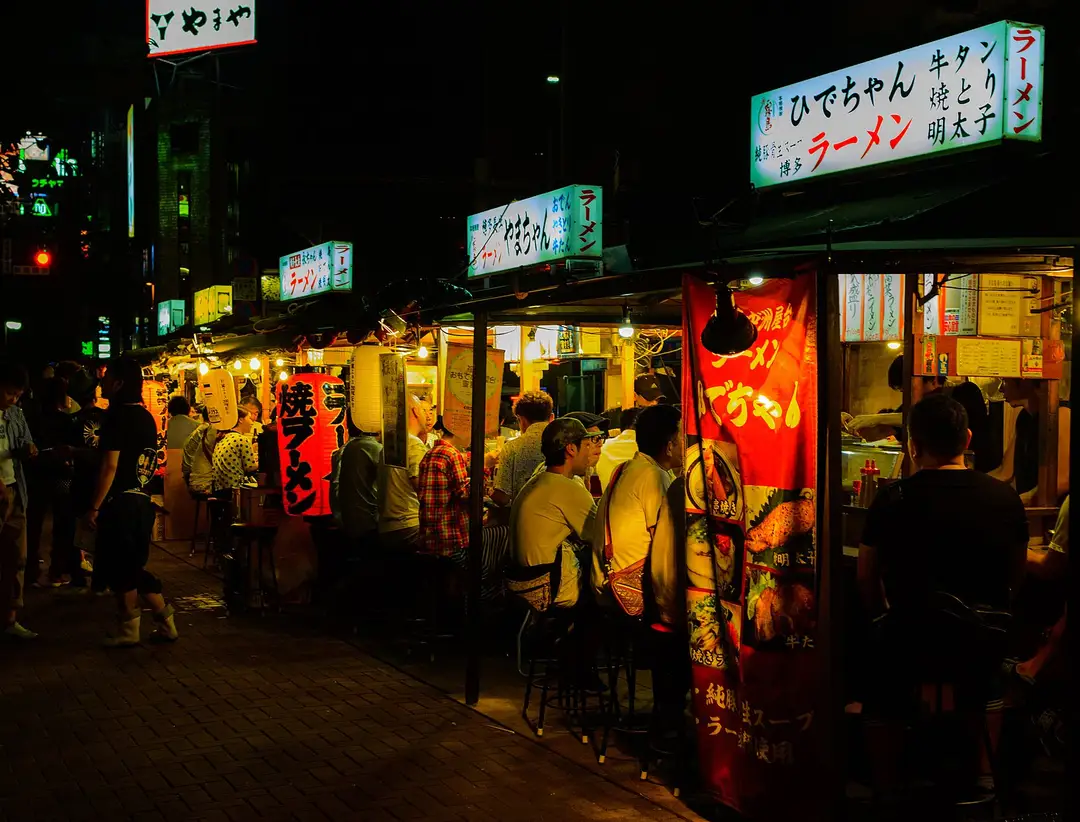
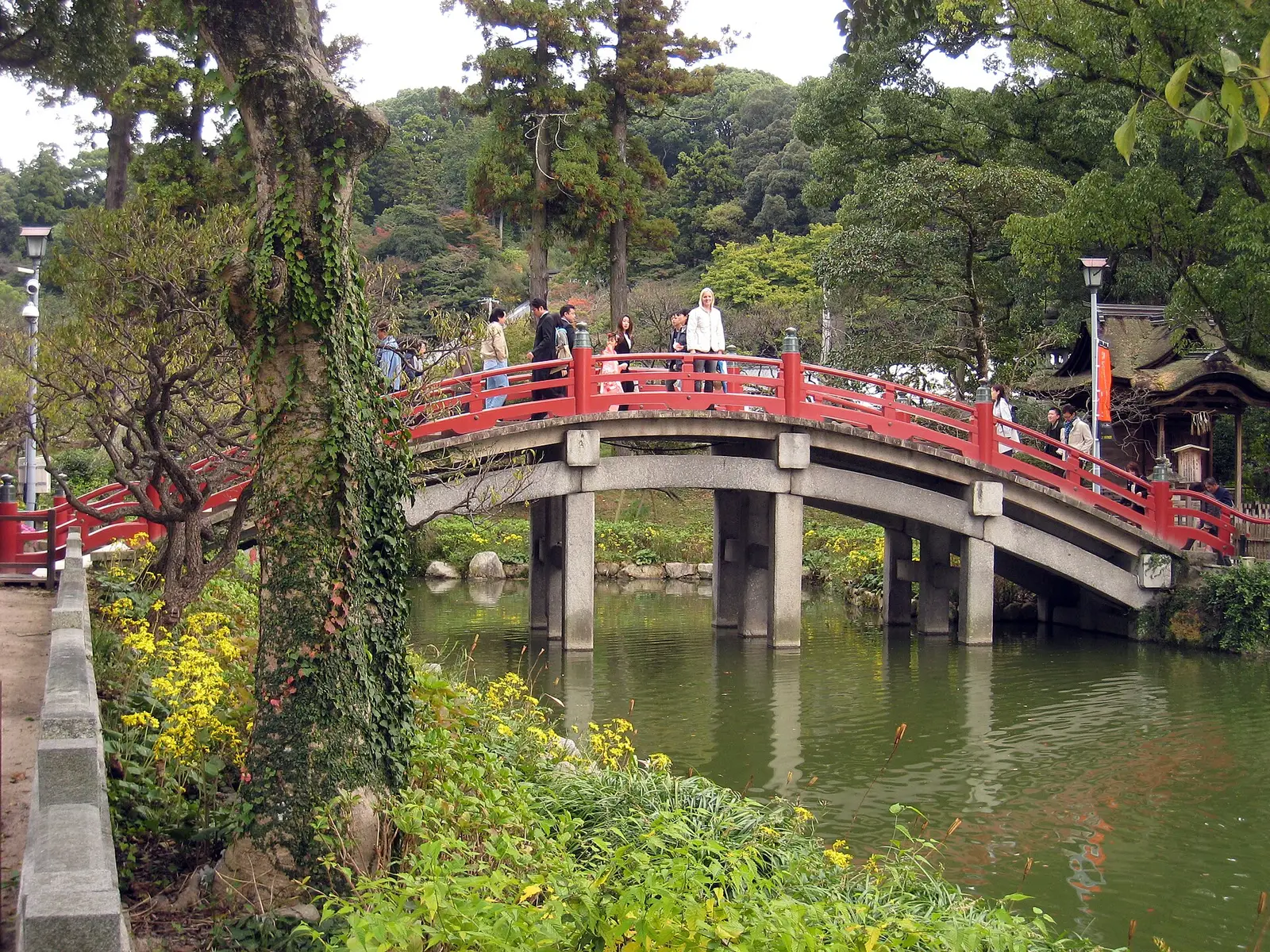
Tôi sẽ khởi đầu nhẹ nhàng ở Fukuoka, rồi buổi chiều rẽ ra Dazaifu. Dazaifu Tenmangu là một trong những ngôi đền được yêu mến nhất khắp Nhật Bản, và đáng để hiểu vì sao trước khi đi: nó được dựng trên mộ của một học giả tài ba từng bị lưu đày oan uổng về đây một nghìn năm trước, người về sau trở thành Tenjin, vị thần của học vấn. Vậy nên những người đi bên bạn trên lối vào rất thường là học sinh và phụ huynh, đến cầu nguyện trước một kỳ thi. Có một sự dịu dàng ở đó mà bạn có thể cảm nhận được. Điều tử tế ở đây thật nhỏ nhặt và dễ làm: bước nhẹ trên lối vào, chạm vào con bò đồng nếu muốn (người ta xoa nó để cầu trí tuệ), và cứ để yên những tấm ema (những tấm bảng cầu nguyện đó chở theo những niềm hy vọng có thật). Rồi quay về Fukuoka cho buổi tối, khi những quầy hàng ăn ngoài trời của thành phố mở ra dưới những tấm rèm vải và người lạ ngồi sát vai nhau, và sự ấm áp đó cũng là một kiểu chào đón riêng.
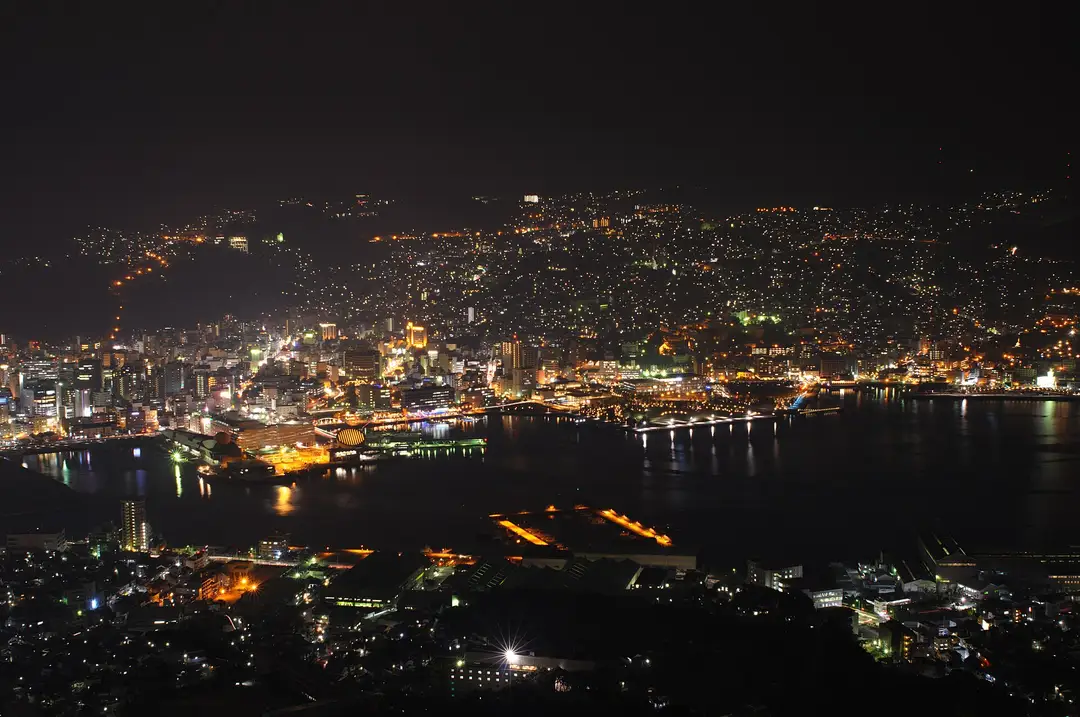
Hôm nay bạn rẽ về phía tây đến một thành phố không giống bất cứ nơi nào khác ở Nhật Bản. Suốt hơn hai thế kỷ, khi cả nước đóng cửa với thế giới, Nagasaki giữ ô cửa duy nhất còn để ngỏ: một thương điếm Hà Lan tí hon hình quạt tên là Dejima, và một khu người Hoa bên cạnh. Vậy nên nơi này lớn lên bằng cách pha trộn ảnh hưởng Nhật, Hoa và châu Âu thành một điều rất riêng, một sự hòa quyện mà người địa phương vẫn gọi là wa-ka-ran. Bạn nếm thấy nó trong món mì champon, bạn thấy nó ở những nhà thờ trên sườn đồi, và bạn cảm nhận lịch sử nặng nề hơn của nó ở Công viên Hòa bình, nơi một sự lặng im phủ xuống mọi người. Tôi sẽ dành cho thành phố này trọn một ngày và ở lại để ngắm cảnh đêm từ núi Inasa: những ánh đèn đọng lại trong thung lũng cảng từ lâu đã được xếp vào hàng những cảnh đêm trứ danh của Nhật Bản, và chúng là lý do Nagasaki xứng đáng một đêm lưu lại. Đó là một bước rẽ về tây khỏi sống lưng chạy xuống nam, và đáng với từng phút của việc quay ngược.
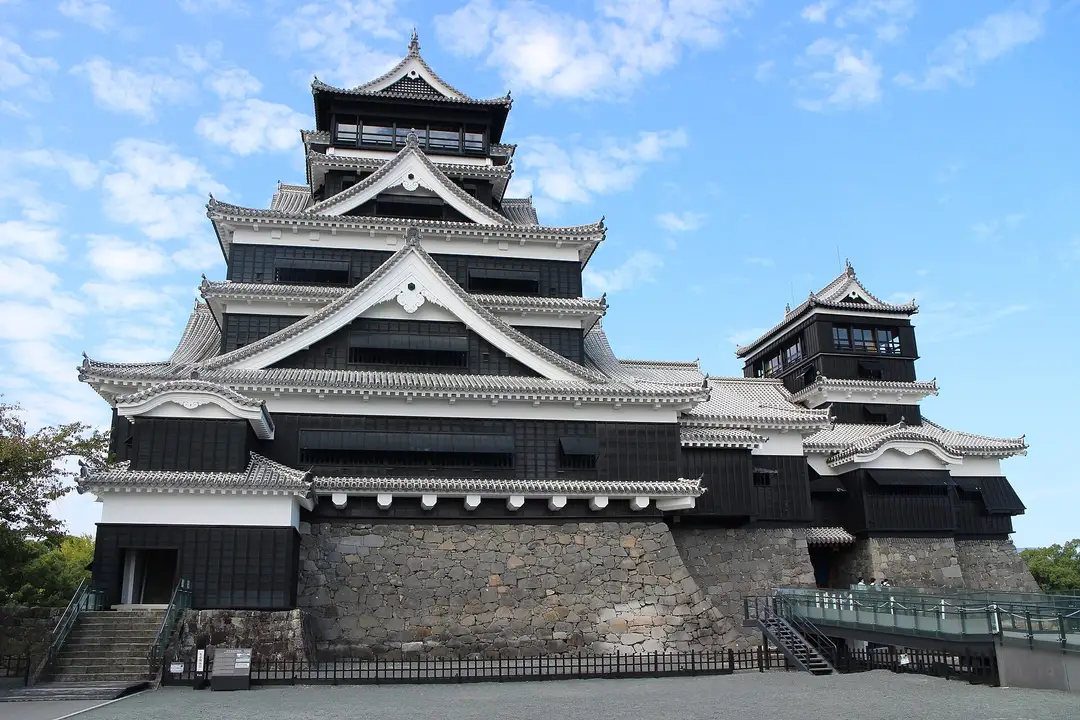
Hôm nay hòn đảo rẽ xuống nam, và tàu Shinkansen làm việc đó gọn ghẽ, dù trước tiên bạn quay ngược từ Nagasaki để bắt lại tuyến đi xuống nam. Điểm dừng là Kumamoto, để đến với tòa thành của nó: được xếp vào hàng ba tòa thành lớn của Nhật Bản, và mang trong mình một câu chuyện gần đây đầy dịu dàng. Những trận động đất năm 2016 đã làm hư hại nặng nề, và công cuộc tu bổ dài lâu, công khai ấy đã trở thành điều mà cả thành phố cùng dõi theo với nhau: tòa tháp chính lớn đã mở cửa lại cho khách trong khi việc trùng tu những bức tường đá uốn cong vẫn tiếp diễn, giàn giáo và tất cả. Có điều gì đó lặng lẽ mà lay động trong hình ảnh một tòa thành đang được chữa lành ngay trước mắt. Từ Kumamoto, tuyến Hohi leo về phía đông vào rặng núi đến núi Aso, nơi bạn có thể đứng bên trong một trong những miệng núi lửa lớn nhất thế giới, một lòng chảo xanh mênh mông với một ngọn núi lửa sống động, nghi ngút khói ở chính giữa. Một lưu ý thành thật cho Aso: miệng núi là một núi lửa đang hoạt động, và vành miệng sẽ đóng khi mức cảnh báo dâng lên hoặc khí gas cao. Vậy nên tôi xem việc được đứng ở mép miệng là một phần thưởng chứ không phải điều chắc chắn, và kiểm tra tình trạng buổi sáng trước khi lên núi.
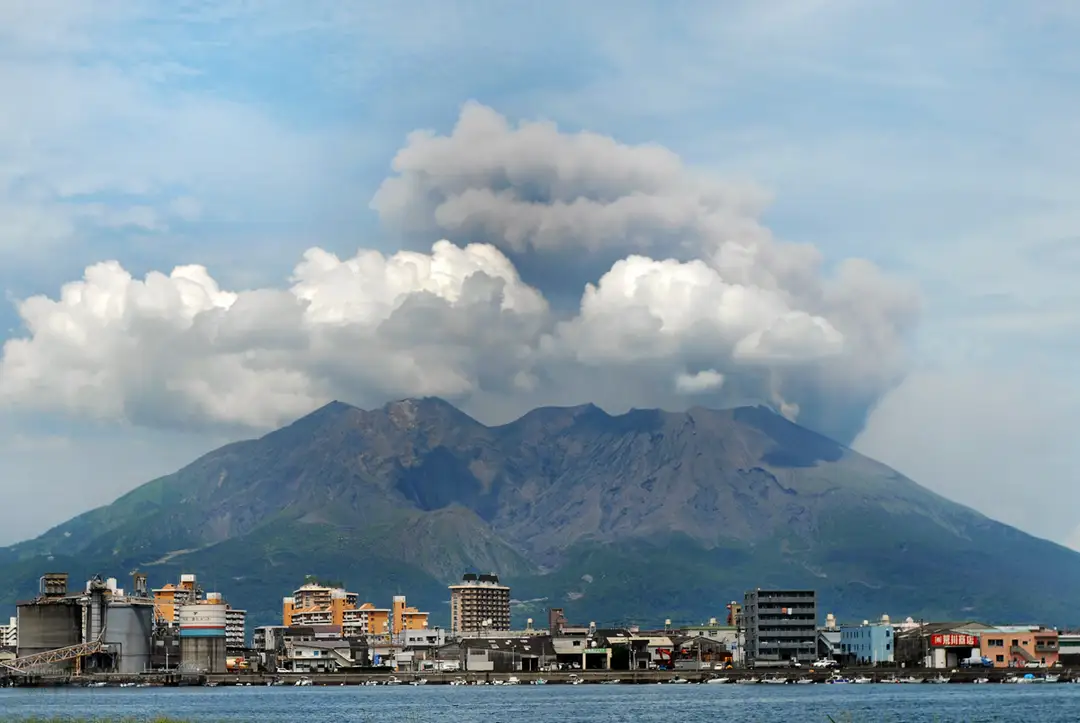
Sống lưng của đảo kết thúc ở miền nam sâu, tại Kagoshima, một thành phố ấm áp, cởi mở sống dưới bóng một ngọn núi lửa. Sakurajima nhả khói bên kia vịnh, gần đến mức đôi khi tro bụi phủ nhẹ lên đường phố, và người dân nơi đây chỉ đơn giản là đã làm hòa với nó: những chuyến phà chạy ra tới ngọn núi lửa từ trước bình minh đến tận khuya, những loại rau củ nhỏ ngọt nổi tiếng mọc lên trong tro của nó, và ở nơi này có một sự thư thái của miền nam khiến ta cảm giác như cách xa cả một thế giới so với Fukuoka ở phía bắc. Tôi sẽ băng qua chính đảo Sakurajima để cảm nhận một ngọn núi lửa còn sống có thể trở nên bình thường đến thế nào với những người sống bên cạnh nó, rồi để thành phố ấm áp dẫn dắt phần còn lại của ngày. Đó là một cái kết thật hợp cho hành trình xuôi xuống hòn đảo: từ một ngôi đền của niềm hy vọng ở phía bắc đến một ngọn núi của lửa ở phía nam.
Một vài hướng đi mở ra, và không hướng nào 'đúng' hơn hướng nào.
Núi Aso, trọn một ngày từ Kumamoto. Nếu việc được đứng bên trong một ngọn núi lửa sống động gọi mời bạn nhiều hơn chặng đi tới cực nam, tôi sẽ dành cho Aso một ngày riêng thay vì một buổi chiều vội vã: tuyến Hohi lên tới miệng núi lửa mênh mông, đồng cỏ Kusasenri xanh mướt, và vành miệng núi Nakadake khi mức cảnh báo cho phép (nó đóng khi có khí núi lửa hoặc khi cảnh báo dâng lên, nên đây là điều cần kiểm tra trước, chẳng bao giờ là một lời hứa chắc chắn). Một số du khách đổi Kagoshima lấy Aso; với thêm một ngày, bạn có thể có cả hai.
Beppu và Yufuin, một đoạn kết onsen ở phía đông. Những suối nước nóng nổi tiếng nhất của Kyushu nằm bên bờ đông: Beppu, nơi hơi nước bốc thẳng lên từ đường phố và những suối nước dữ dội, rực rỡ sắc màu được gọi là jigoku (những 'địa ngục' bạn đến để ngắm chứ không phải để tắm), và thị trấn onsen vườn tược Yufuin yên tĩnh hơn ở nội địa. Tàu tốc hành Sonic nối bờ đông ngược lên hướng Fukuoka, nên một đêm onsen tạo thành một đoạn kết dịu dàng trước khi bạn lên bắc. Tôi sẽ xem nó như một kết thúc chứ không phải một chỗ rẽ giữa chuyến, vì nó nằm chệch khỏi sống lưng phía nam.
Ibusuki, phía nam Kagoshima, với những bồn tắm cát tự nhiên (bạn được vùi trong cát đen được núi lửa hun nóng bên bờ biển, người anh em phương nam của Beppu). Một chặng ngắn đi tiếp xuống theo tuyến đường từ Kagoshima, và một cách dịu dàng, nghi ngút khói để đến tận điểm cùng của hòn đảo.
Nếu bạn thiếu thời gian, sống lưng của đảo có thể gấp lại mà không mất đi hình dáng của mình. Cách cắt đơn giản nhất là dừng ở Kumamoto thay vì đi tiếp xuống miền nam sâu: Fukuoka và Dazaifu, một đêm ở Nagasaki, và tòa thành Kumamoto tạo thành ba hoặc bốn ngày mãn nguyện dọc nửa phía bắc. Hoặc, nếu bạn nhắm đến miền nam, hãy bỏ qua đoạn rẽ về tây tới Nagasaki và chạy thẳng xuống sống lưng, Fukuoka đến Kumamoto đến Kagoshima, để đến với những ngọn núi lửa và hơi ấm của phương nam. Và nếu bạn chỉ có vài ngày cho phía bắc, cái hình dáng gọn gàng vẫn giữ được: Fukuoka và Dazaifu, rồi Nagasaki với bến cảng hoặc Beppu với onsen, giữ như những nơi dễ với tới từ thành phố. Điều tôi sẽ tránh là cố đi hết hòn đảo từ đầu này đến đầu kia trong ba ngày; tàu Shinkansen thì nhanh, nhưng những nơi ấy cần một chút thời gian.
Khối hành trình này chạy dọc suốt chiều dài Kyushu, nên nó bàn giao ở cả hai đầu. Phía bắc, từ Fukuoka/Hakata tuyến Sanyo Shinkansen đưa bạn ngược về Honshu, Hiroshima và Miyajima tạo thành khối kế tiếp tự nhiên, còn Shin-Osaka và các thành phố Kansai chỉ cách vài tiếng; các chuyến 'Mizuho' và 'Sakura' chạy thẳng nối Hakata thẳng vào tuyến đó. Phía nam, Kagoshima là điểm cuối của đường sắt nhưng không phải của Nhật Bản: phà chạy tiếp từ đây hướng về những rừng tuyết tùng cổ thụ của Yakushima và xuôi theo chuỗi đảo về phía Okinawa, một khối riêng, chậm rãi hơn của chính nó. Chỉ cần nhớ tàu Shinkansen cần vé đặt chỗ riêng (thẻ IC không cho bạn chạm để lên), và JR Kyushu pass dừng lại ở ranh giới Kyushu, nên một chặng chạy sang Honshu là một khoản cước riêng.
WMJS được viết tại Nhật Bản bởi một người Nhật mong bạn hiểu Nhật Bản thêm một chút, và được chuyển sang tiếng Việt với sự trợ giúp của AI. Chúng tôi kiểm tra từng trang, nhưng tiếng Việt không phải tiếng mẹ đẻ của chúng tôi. Nếu có câu nào đọc thấy lạ, hãy cho chúng tôi biết. Một câu là đủ.
Cảm ơn bạn. Mỗi góp ý đều có người đọc.
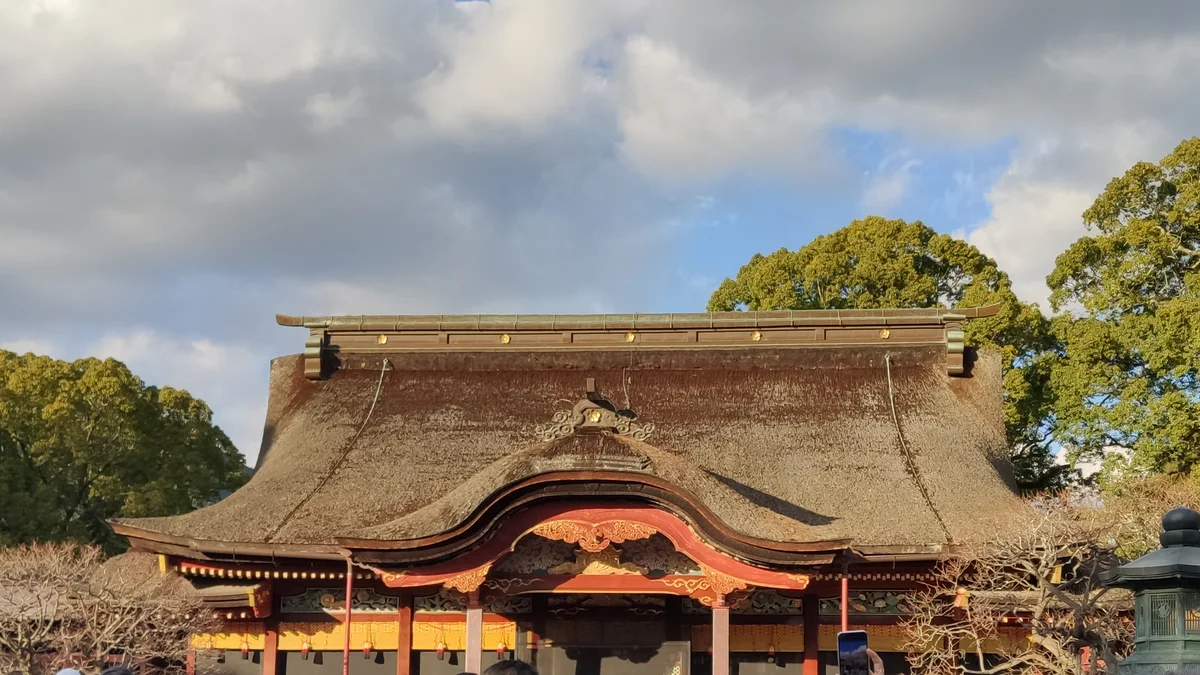
Dazaifu Tenmangu có đáng đến không? Chúng tôi tổng hợp 49 ý kiến du khách: 56% nói đáng đến, còn 77% du khách Nhật mừng vì đã đến. Vào cửa miễn phí, cách đi từ Fukuoka, bánh umegae mochi và truyền thuyết cây mơ bay, mùa hoa mơ, và Bảo tàng Quốc gia Kyushu ngay bên cạnh, kèm hướng dẫn âm thanh.
Dazaifu Tenmangu
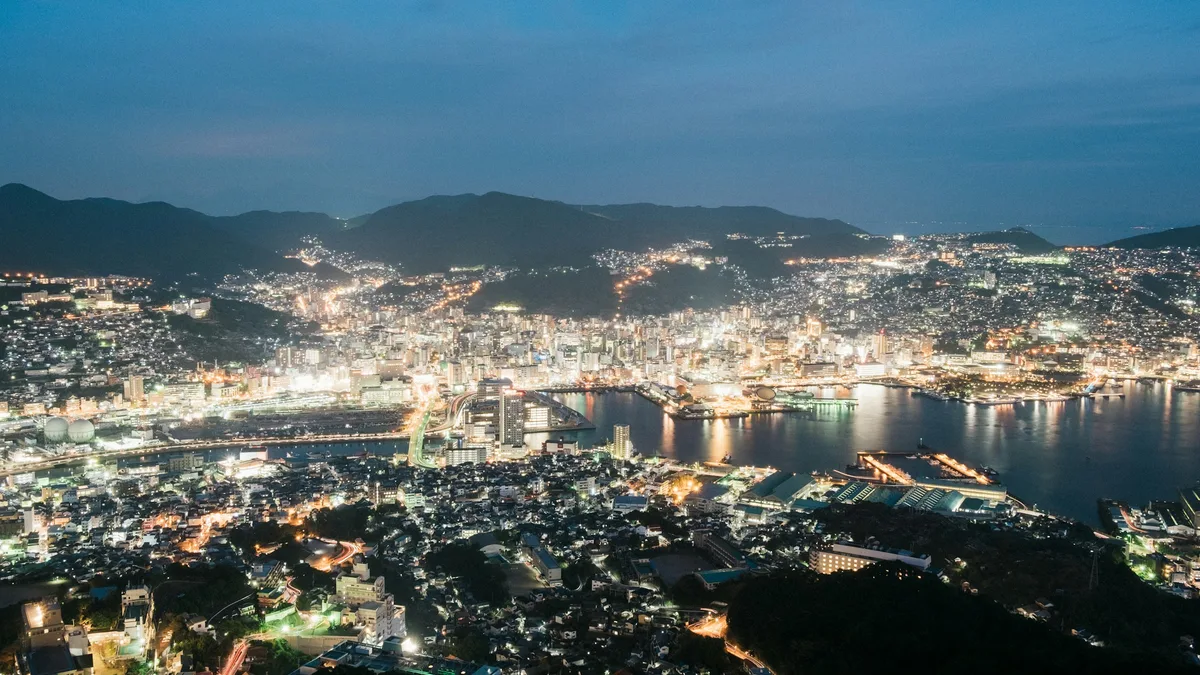
Hành trình qua Nagasaki: Dejima, phố Tàu Shinchi, champon và castella, Công viên Hòa bình tĩnh lặng, Vườn Glover, Nhà thờ Oura và cảnh đêm núi Inasa.
Nagasaki
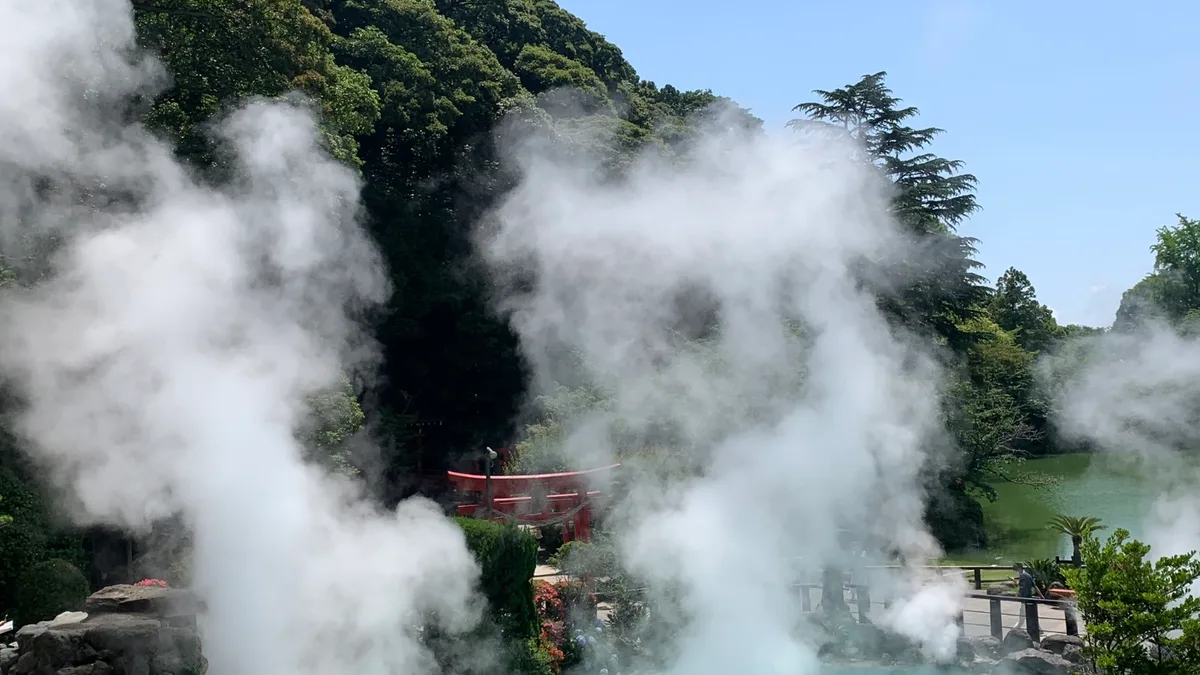
Beppu có đáng đi không? Chúng tôi tính trọng số 102 ý kiến du khách: 46% nói đáng đi nhờ suối nước nóng và thị trấn sôi sục, 44% nói còn tùy mục đích chuyến đi, còn người Nhật hài lòng hơn nhiều ở mức 72%. Bảy địa ngục để ngắm chứ không để tắm, trứng hấp hơi nước, tắm cát và tám khu Beppu Hatto, kèm hướng dẫn âm thanh.
Beppu Onsen (Kannawa)

Okayama, một hòn đảo nghệ thuật, Hiroshima và Miyajima — nhẹ nhàng chạy từ đông sang tây
Những hòn đảo của Vương quốc Lưu Cầu xưa: Shuri, bờ rạn san hô, Churaumi và miền nam linh thiêng, đi theo nhịp thong thả, ấm áp
Người mê thành quách thật sự đi như thế nào: hành trình từ Osaka về phía tây tới Shikoku, giúp bạn biết cách ngắm một tòa thành
Ba thị trấn, ba câu trả lời cho dòng nước dưới chân mình: Hakone xếp chồng nhiều suối trong một ngọn núi, Kinosaki trao một loại nước cho cả con phố, còn Beppu nhiều nước đến mức việc đi tắm trở thành chuyện thường ngày
Hakodate, Kobe và Nagasaki: ba thị trấn cảng đã mở cửa với thế giới, và những cảnh đêm mà ngọn đồi của chúng đã ban tặng