
How Japan Works
Is Iwami Ginzan Worth It? What Visitors and Locals Actually Say
In Japanese, Iwami Ginzan shows up on lists of "gakkari sekai isan," disappointing World Heritage Sites, a label one reviewer names directly. The mine shaft you can actually walk into is short. The nearest station is a bus ride away, and the bus runs on an infrequent schedule. People who have actually been there see it differently. Of the 65 reviews by foreign visitors collected for this article, 6 land in the red.
What Japanese visitors and locals say
The "disappointing" label is a Japanese phrase before it's anything else, so the Japanese side of the gauge matters here more than usual. One reviewer names the reputation in their opening line: Iwami Ginzan is often cited as an example of a "disappointing World Heritage Site" (がっかり世界遺産), but visiting in person, they found a site of real historical and cultural weight.
Red lands at 9% on the foreign gauge (6 of 65) and 10% on the Japanese gauge (9 of 94, or 18% within the TripAdvisor-only subset above). Combined, 15 reviews across both gauges land in the red, and reading through them one by one, access and distance are the main complaint in 7 of the 15.
What the red reviews are actually about
Distance leads. On the Japanese side, one reviewer calls the forty-minute walk from the parking lot a reason to doubt whether the site actually wants visitors; another found the World Heritage Center itself further from the mine than its name implies. On the foreign side, one visitor on Google Maps described access to the mine as confusing, with a long hike or a paid cart ride as the only options once you arrive.
A smaller group, 2 of the 15, found the mine shaft itself too small for the trip. One reviewer writes that every UNESCO site they'd visited before had made them say "wow" at least once; this one didn't, since the shaft is "little more than a rock tunnel with a few off shoots/cracks," and you're in and out in ten minutes.
Two reviews, both on the Japanese side, point to preparation and reception. One reviewer writes that the site felt a bit different from what they expected, and that without research beforehand or a guide on-site, it's hard to tell what's valuable just from looking; they add that the staff at both the parking lot and the mine entrance showed no welcoming mood at all, leaving them wondering if they'd been an unwelcome guest. The same review goes on to say the townscape and surrounding scenery were very good, and that the reviewer personally enjoyed the walk to the mine more than the mine itself. A second Japanese reviewer writes that they genuinely weren't sure what they were supposed to be looking at.
The last 4 of the 15 are scattered: bad weather on the day of the visit accounts for 2, a lack of nearby places to eat accounts for 1, and 1 reviewer found garbage and abandoned houses along the mountain path and wanted the site better maintained.
What the mine actually is, and isn't
Iwami Ginzan was discovered in 1527 and mined for almost four hundred years, until operations wound down in the 1920s. A Japan Tourism Agency explanation of the site estimates that at least a tenth of all the silver traded worldwide in the late 1500s came from this one mine. In 2007 it became the first mining site in Asia named a UNESCO World Heritage Site, a designation that covers hundreds of shafts dug into these hills, smelting ruins, transport roads, and the town of Omori that grew up around the trade.
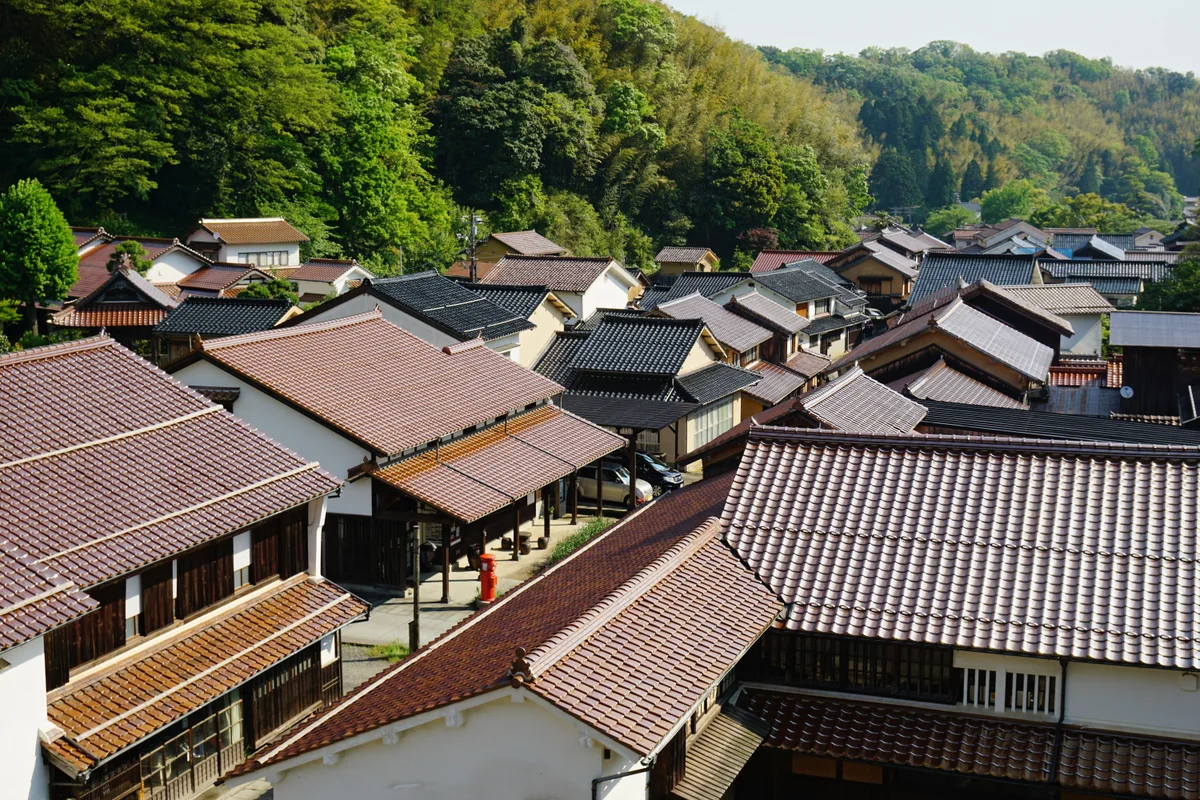
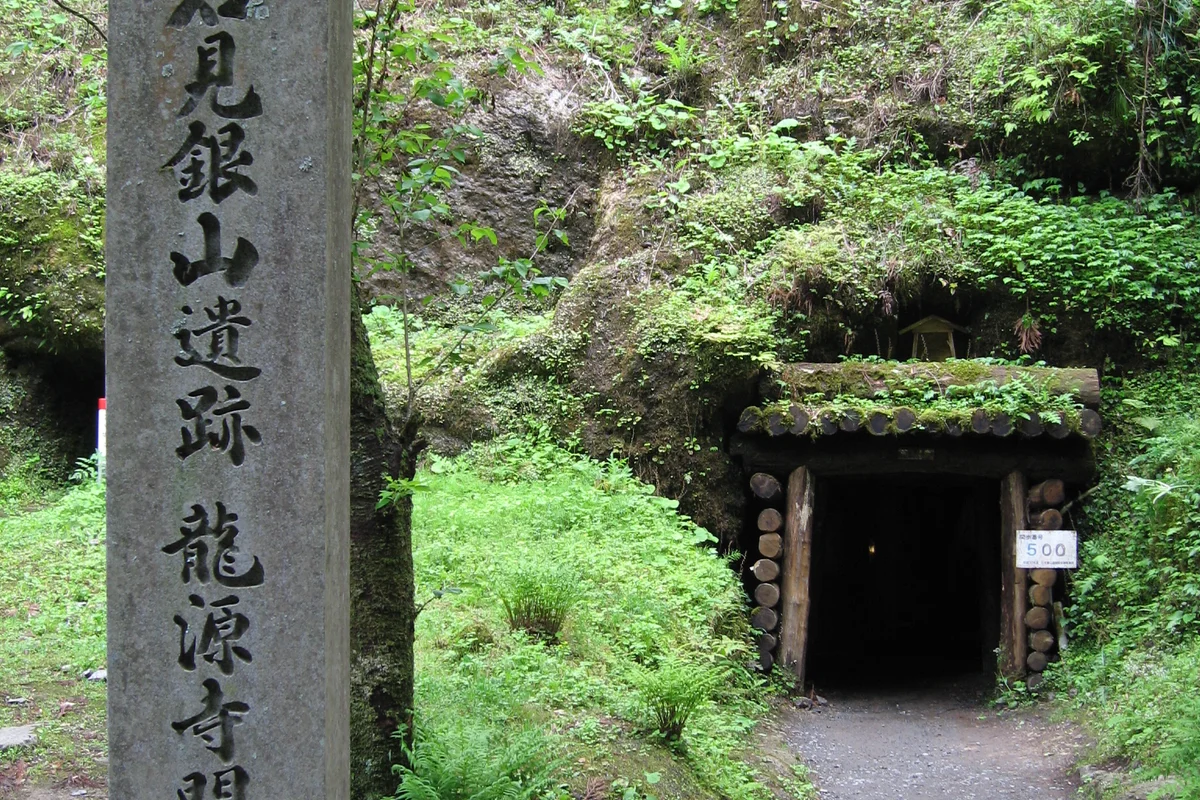
The part most visitors actually walk through, Ryugenji Mabu, is one shaft among many, and the publicly open stretch is short: roughly 270 meters of a shaft about 600 meters long, open year-round, with visitors leaving through an exit tunnel dug in 1989, all of it through cool, narrow, low-ceilinged rock. Two reviewers, one from abroad and one from Japan, each put the walk-through at about ten minutes. Set against the mine's four centuries of history, that short walk is what disappoints the 2 of the 15 red reviews mentioned above. On the satisfied side, 25 of the 51 green reviews from abroad write about the town of Omori; for those reviewers, the day was about more than the shaft.
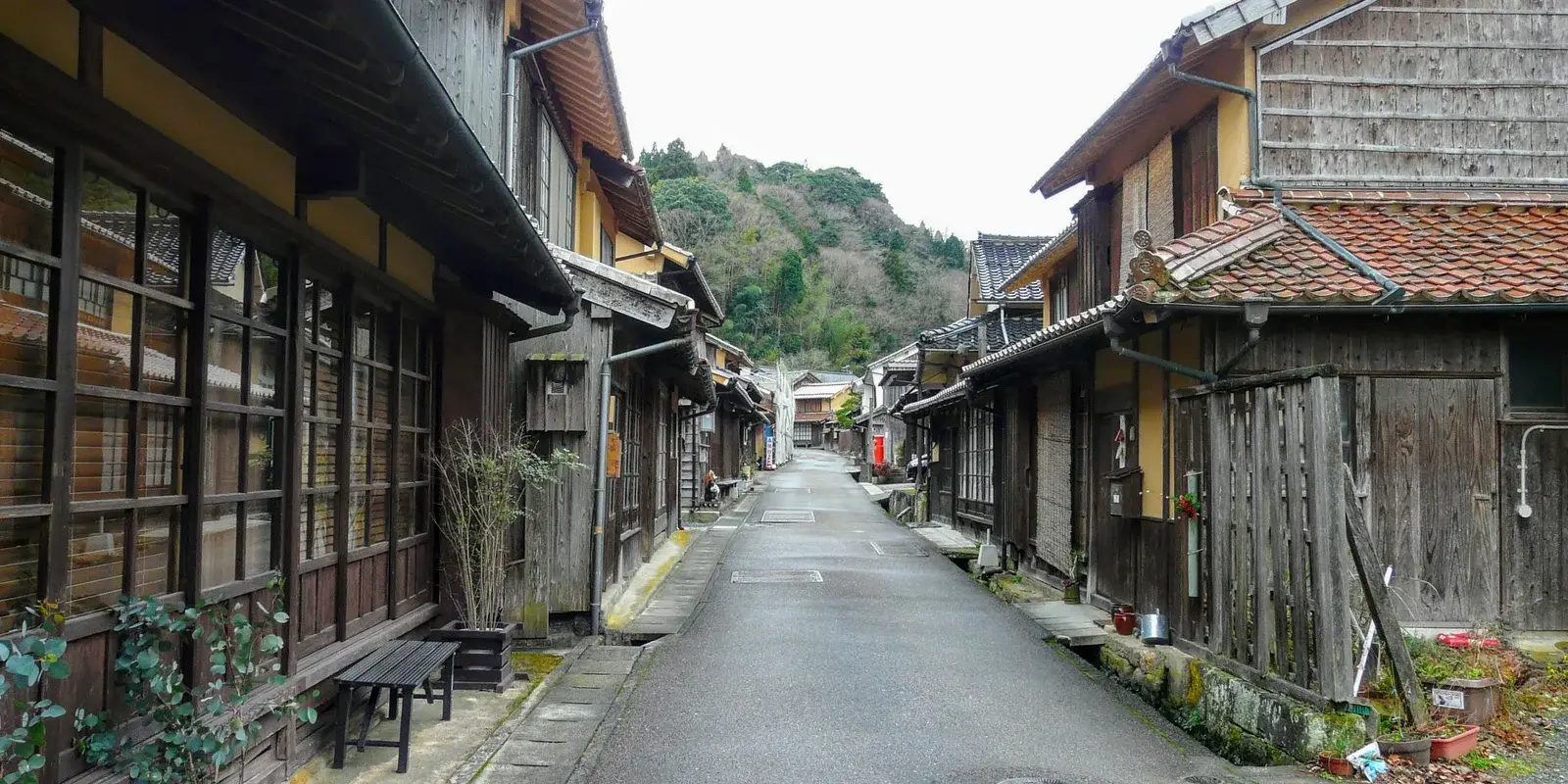
One reviewer on Google Maps singled out the Shimizudani Smelter Site, a climb above the valley floor, as the most impressive part of the village. Omori itself draws more voices: a small town with a streetscape of Edo-period merchant houses, still lived in today. One reviewer notes that walking through, you won't spot a single visible power pole.
Doing it well, the welcomed way
A paid local bus connects the World Heritage Center, where most people park, to stops at Omori and at Omori Daikansho near the north end of the townscape. Near the Omori Daikansho stop, renting an electric bicycle is the move several reviewers recommend over walking: the ride up toward Ryugenji Mabu at the south end is a steady climb, and the ride back down takes no effort at all. A separate paid cart also covers the stretch between Omori Daikansho and the mine entrance, though under a trial timetable that began in October 2026, it runs just four reservation-only trips a day from October through January, apart from weekends and holidays in October and November, so check ahead if you're visiting on a weekday or in winter. Budget at least half a day for the walking and the distances between the three main areas.
One note on timing: the World Heritage Center's paid exhibition halls and its information and guidance corner are closed for renovation from October 2026 through the planned end of March 2027, ahead of the 20th anniversary of the World Heritage listing and the mine's 500th anniversary, both in 2027. The paid rooms at Kumagai House in the townscape are closed for the same stretch, for separate renovation work. Guided walks, the Okubo Mabu tour, and shopping continue as normal during this period, so if the exhibits are closed when you visit, lean on a guide instead. Several reviewers said a guide changed the whole visit for them; one credited theirs with a single line that reframed the mine's significance, that it became a World Heritage Site less because of the silver itself than because of the connections it let people in Japan build with the rest of the world. The Okubo Mabu tour, a separate and longer shaft only reachable with a guide, runs March through November on Fridays, Saturdays, Sundays, holidays, and during Golden Week and Obon; it doesn't run at all from December through February, inside or outside the renovation period.
Entrance to Ryugenji Mabu is 500 yen for adults (400 yen if you pay with a WAON card); a separate discount for foreign visitors, showing a passport, existed before April 2024 and has since been discontinued. Cash, WAON, and major cashless payment methods are all accepted at the gate.
Sources
- UNESCO World Heritage Centre: Iwami Ginzan Silver Mine and its Cultural Landscape: inscribed 2007, first mining site in Asia on the list
- Ōda City official site: Iwami Ginzan World Heritage Center: paid exhibition halls and information/guidance corner closed for renovation October 2026 through planned end of March 2027; Kumagai House paid rooms closed the same period; 20th anniversary of the listing and the mine's 500th anniversary both fall in 2027
- Ōda City official site: Ryugenji Mabu admission and access: adult admission ¥500 (¥400 paid by WAON card) since April 2024; the separate foreign-visitor discount ended the same date; open year-round except January 1
- Japan National Tourism Organization: Ryugenji Mabu
- Shimane Prefecture official site: Iwami Ginzan overview: discovered 1527, mined until 1923, listed 2007
- MLIT multilingual explanation database: Ryugenji Mabu / Iwami Ginzan: shaft about 600 meters long, roughly 270 meters open to visitors, exit tunnel dug 1989, open year-round
- MLIT multilingual explanation: Iwami Ginzan Silver Mine and its Cultural Landscape: at least a tenth of the silver traded worldwide in the late 1500s came from this mine
- Iwami Kanko: Okubo Mabu limited public tour: tour runs March through November, Fridays/Saturdays/Sundays/holidays plus Golden Week and Obon; closed December through February
- Ginzan Cart official site: trial timetable began October 2026; weekends and holidays in October and November run more frequently, other days October through January run 4 reservation-only trips
WMJS is written in Japan, in English, with AI help. We check every page, but English is not our first language. If a sentence reads oddly, tell us. One sentence is enough.
Thank you. A person reads every note.
How well do you know Japan?
Built from 635 public posts by Japanese people
Want to know more? Ask Japanese people
Have a follow-up question about this topic? We'll ask real Japanese people.
Voice Box →