Skip to content
WMJS
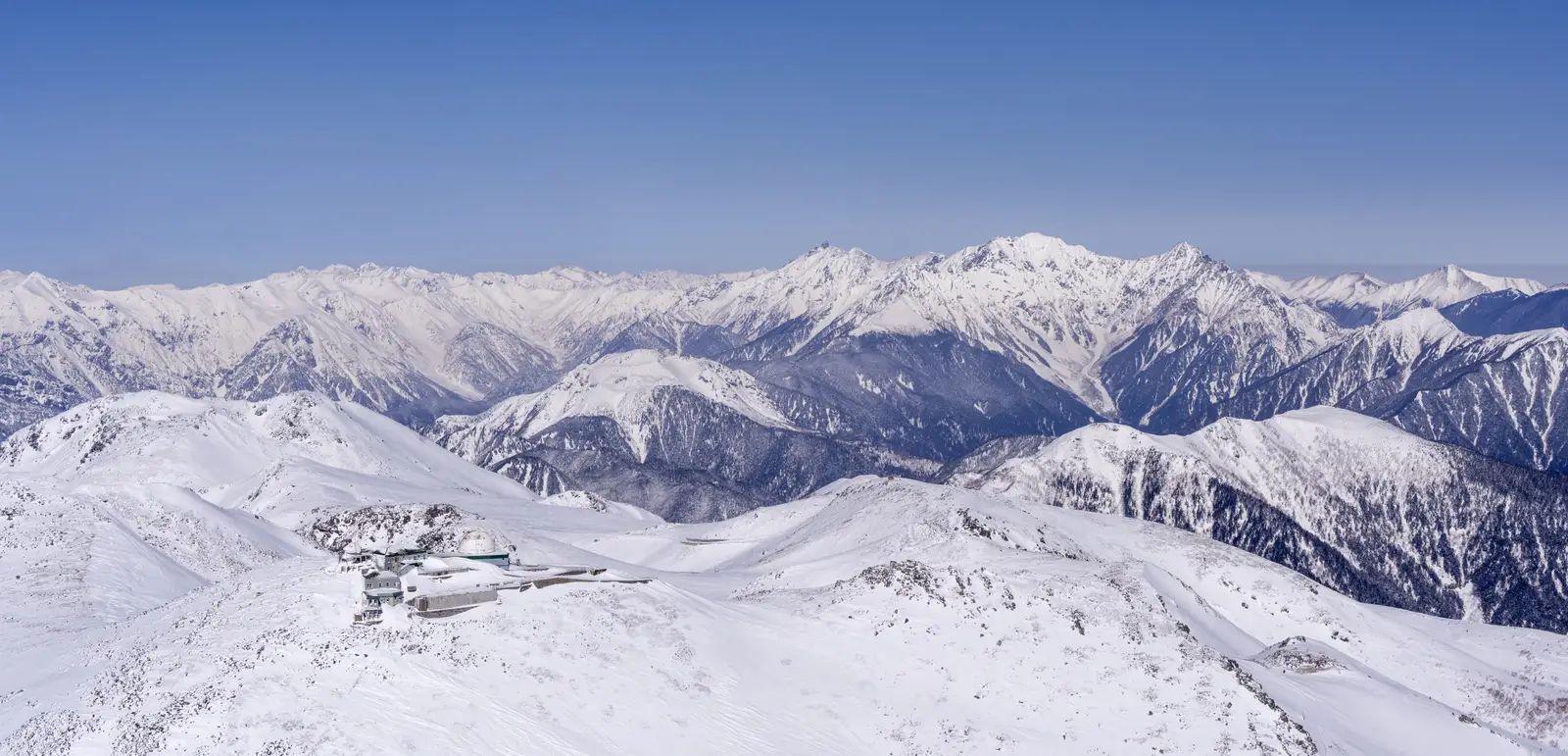
The snow-capped peaks of the Northern Japan Alps stretching to the horizon under a clear blue sky
Compare & decide

How many days do you need in Japan?

Not how much you can see — you can't see it all — but how few places to give one trip, by how long you have, and where each length leads.

Last verified: 2026-06-27

You won't see all of Japan in any number of days — so the kinder question isn't how much to fit in, but how few places to give yourself to.

If you're staring at the calendar trying to reverse-engineer the perfect number of days, let me lift that off you. There's no length that 'covers' Japan — the people who live here haven't covered it either. What the days really decide is how many places you ask of one trip, and the travellers I plan for almost never regret going slower. So here are three honest shapes, by how long you have. Open the one that matches your calendar — and if you're caught between two, I'd lean to the shorter list of places, lived more fully.

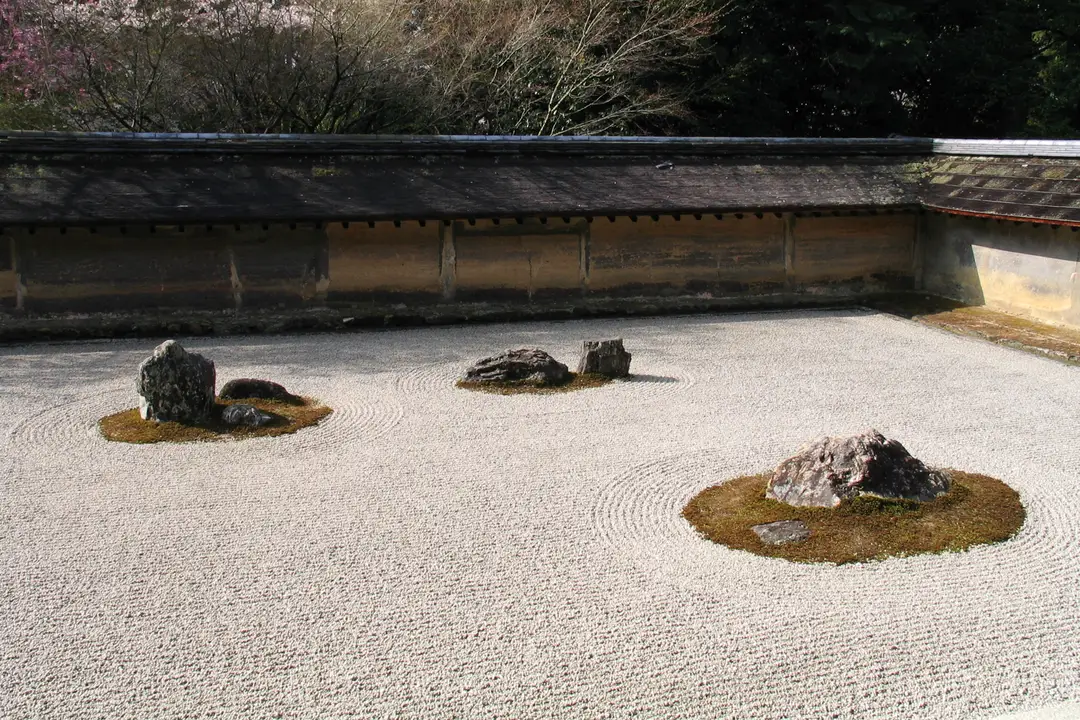
The raked white gravel and moss-ringed stones of the Zen rock garden at Ryoan-ji, Kyoto
Five to seven days

One region, unhurried

A single week is plenty for one region taken gently — Tokyo with its day trips, or Kyoto with Nara and Osaka close at hand. One base, short hops, time to sit in a garden or settle in at a counter for dinner. This is the shape this whole site leans toward: fewer places, more present, going home rested rather than wrung out. If it comes down to the two big regions, that's its own small fork.

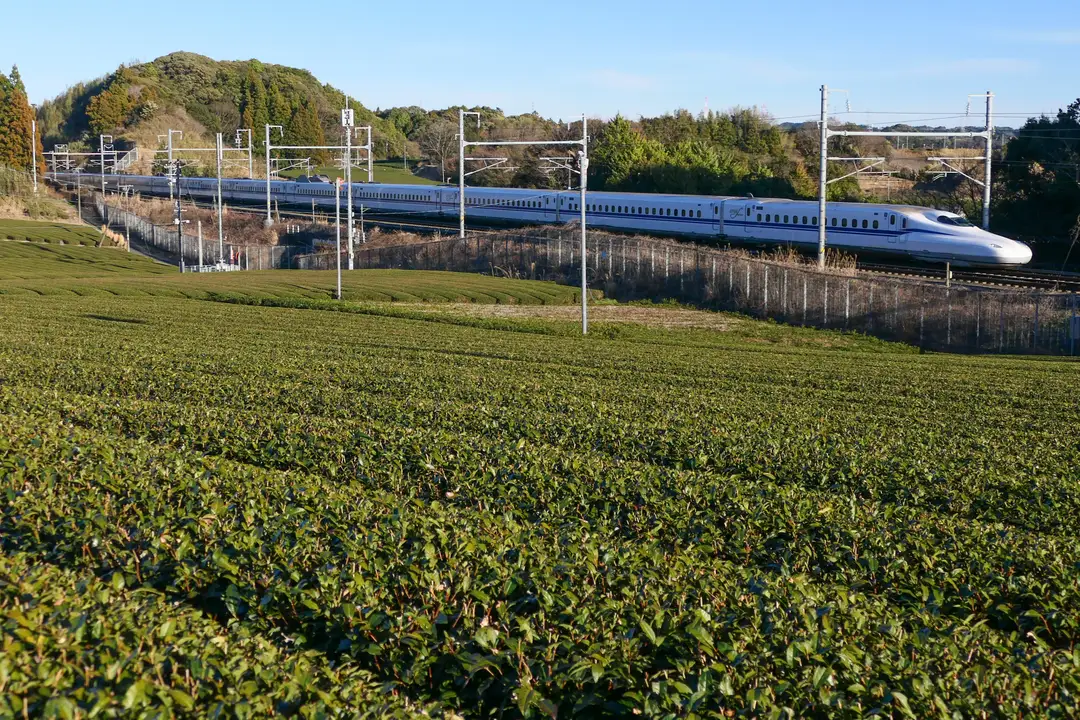
A white N700S Shinkansen gliding past green tea fields in the Shizuoka countryside under a clear sky
Around ten days

Two regions, joined by rail

Ten days lets the classic Tokyo-to-Kyoto golden route breathe — a few days at each end, the Shinkansen in between, and no day that turns into a sprint. Fly into one city and home from the other, so you never double back. There's even room to slip the mountains of central Japan into the middle, or fold in a Hakone onsen night, without the days tightening up.

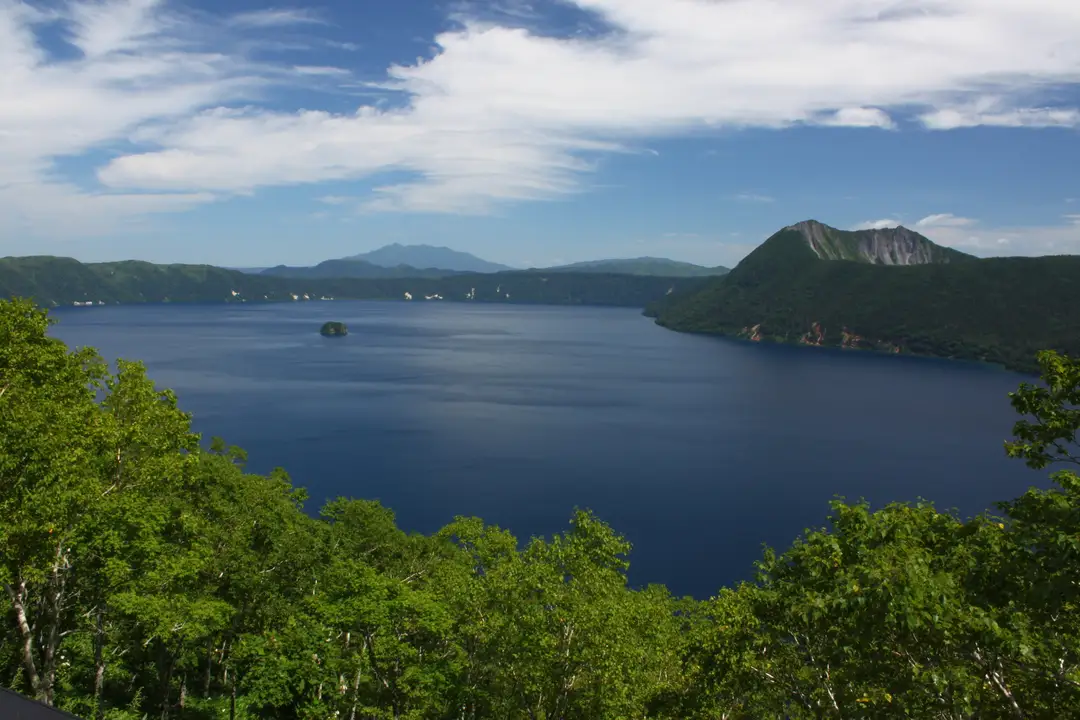
The deep-blue caldera water of Lake Mashu ringed by forested slopes in eastern Hokkaido
Two weeks and up

Add a far end of the country

With two weeks or more, you can keep the golden route gentle and still add a far leg — the cool green north of Hokkaido and Tohoku, or the warm volcanic south of Kyushu and the islands of Okinawa. The far ends are a flight rather than a long train, so they cost a day either way; the reward is a Japan that feels nothing like the corridor between Tokyo and Kyoto. It's also the natural shape for a second trip, going deeper rather than wider.

Still not sure how long?

A first trip, and time is tight
I'd give a single week to one region, unhurried — it's the trip people tend to come home loving.
A first trip, with room to breathe
Ten days lets the Tokyo-to-Kyoto route open up without a single rushed morning.
You've been before, or it's a once-in-a-lifetime trip
Two weeks and a far leg north or south is where a deeper, second-trip Japan lives.
Travelling with kids or at a gentle pace
Fewer places and more downtime — the days get kinder the shorter the list.
Flying a long way with limited time off
Even then I'd resist cramming — one region you remember tends to outlast three you blur together.

Good to know — fares & times

Tokyo to Kyoto
The fastest Tokaido Shinkansen runs it in about 2 hours 20 minutes — close enough that two regions sit comfortably inside ten days.
The Japan Rail Pass comes in lengths too
The nationwide pass is sold in 7-, 14- and 21-day versions — a rough mirror of these trip shapes. The fastest Nozomi and Mizuho trains need a small extra ticket as well.
Tokyo to Kyushu (Hakata)
The Shinkansen runs all the way through to Fukuoka, but it's a long haul — far enough that many travellers fly, which is why a southern leg tends to want extra days. Check the official route search for current times.
Tokyo to Hokkaido (Sapporo)
About 90 minutes by air to New Chitose Airport, against roughly eight hours by Shinkansen and limited express — a far northern leg is a flight, and worth the day it saves.

Sources