Skip to content
WMJS
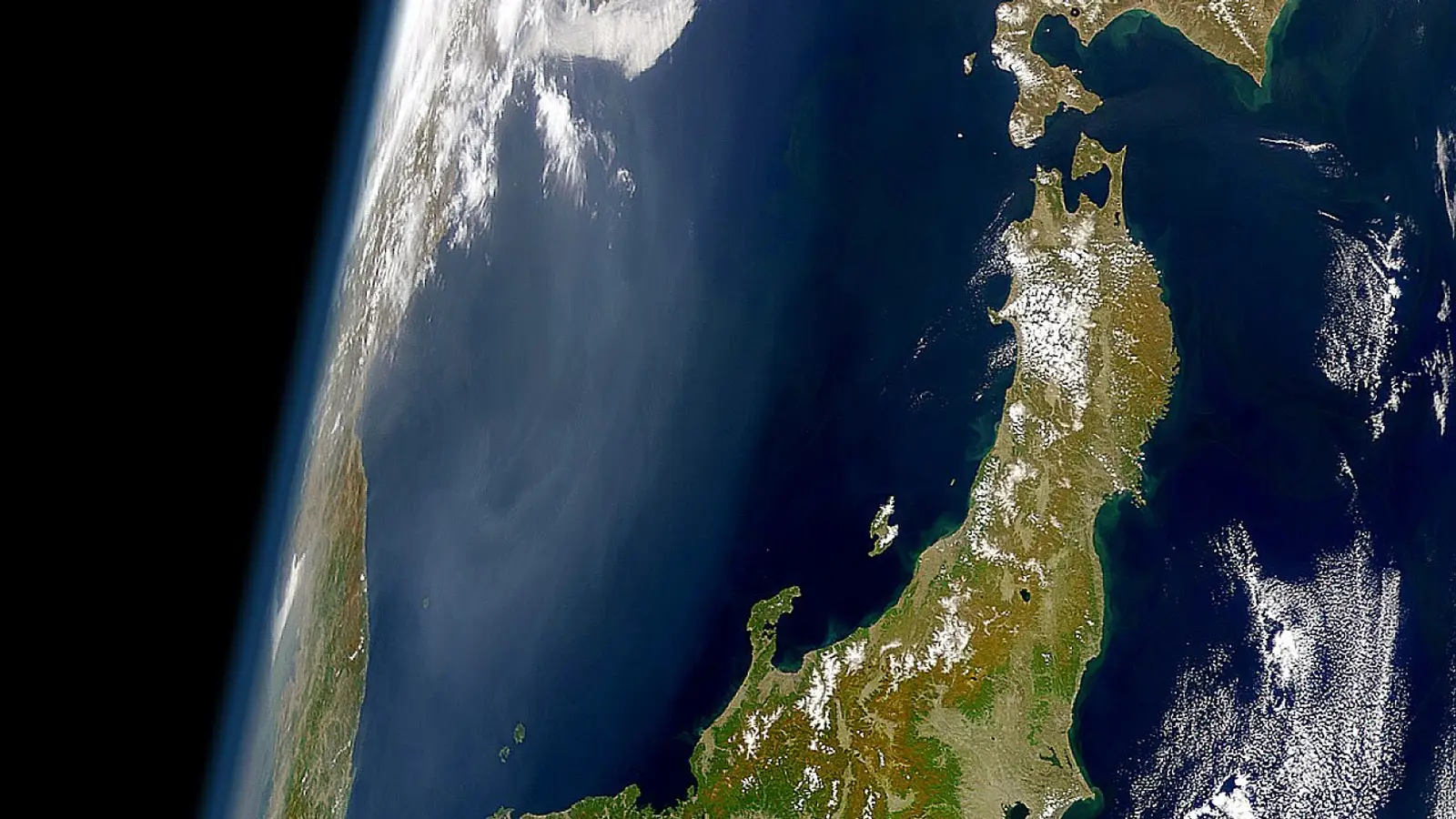
Japan seen from space, the archipelago sweeping north past Tohoku to Hokkaido under drifting cloud at the curve of the Earth
Compare & decide

North or south — the cool green north, or the warm volcanic south?

An add-on or a second trip, and the honest trade between Japan's two far ends — which one the season is already pointing you toward, and where each one leads.

Last verified: 2026-06-26

Neither one is the 'better' half — the north and the south simply trade places through the year. So the real question is when you're travelling.

This one usually comes up for a second trip, or as an add-on to the Tokyo–Kyoto core, and it's a question I love — because the honest answer isn't a ranking. The cool green north and the warm volcanic south sit at opposite ends of the country, with opposite weather, so they don't really compete. They take turns.

When the cities are sweltering, the north stays cool and green. When the rest of Japan turns grey with winter, the far south stays mild and its sea is still blue. So rather than which is better, let me help you read which one your dates are already pointing toward.

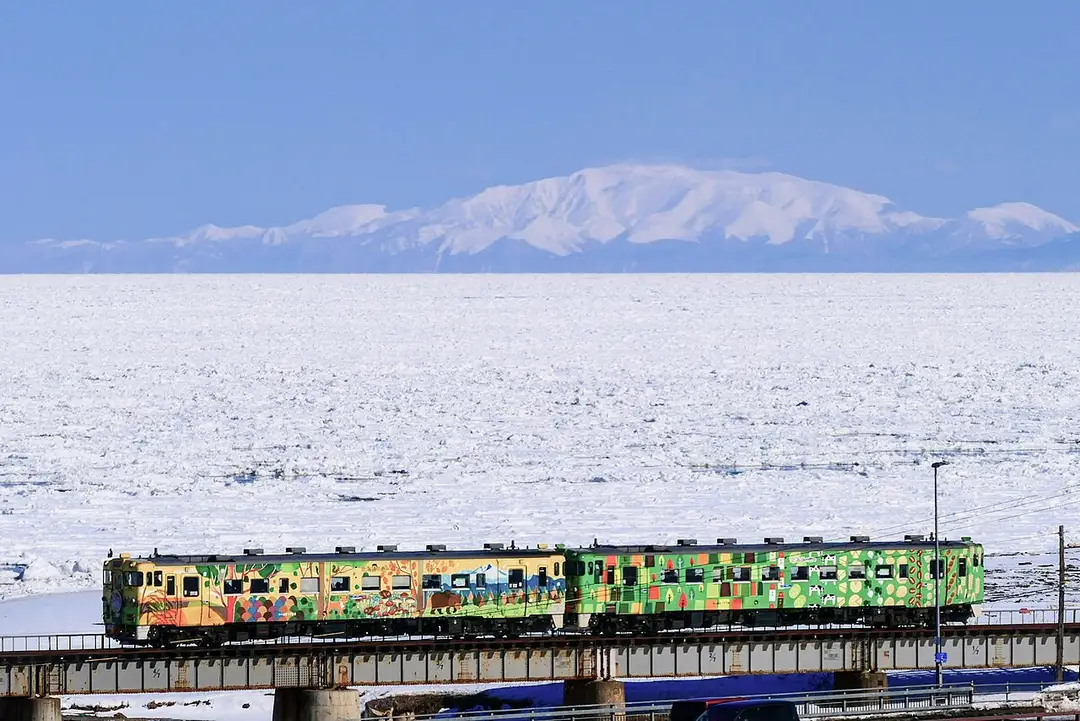
A local train crossing a bridge above a sea packed with drift ice, a snow-capped Hokkaido mountain beyond
The cool green northHokkaido & Tohoku
  • Cool green summers
  • Lavender & big nature
  • Powder snow & onsen
  • Drift ice & festivals
  • Sapporo · Sendai · Hakodate

The north breathes. Big skies, long horizons, and a coolness the rest of the country loses in high summer — Hokkaido's flower-covered hills and easy cycling when you'd be wilting further south, its powder snow and steaming open-air baths when the year turns. Below it lies Tohoku, the 'deep north', keeping the old festivals, the snow country and a quiet that many visitors still pass straight over. This is the spacious, unhurried end of Japan.

Honest note. The distances up here are real — the north is its own scale of travel, more flying and longer hops than a tidy Tokyo–Kyoto week. And I don't have a Tohoku plan written yet, so for now the north's day-by-day lives in the Hokkaido pages.
Plan the north — Hokkaido →
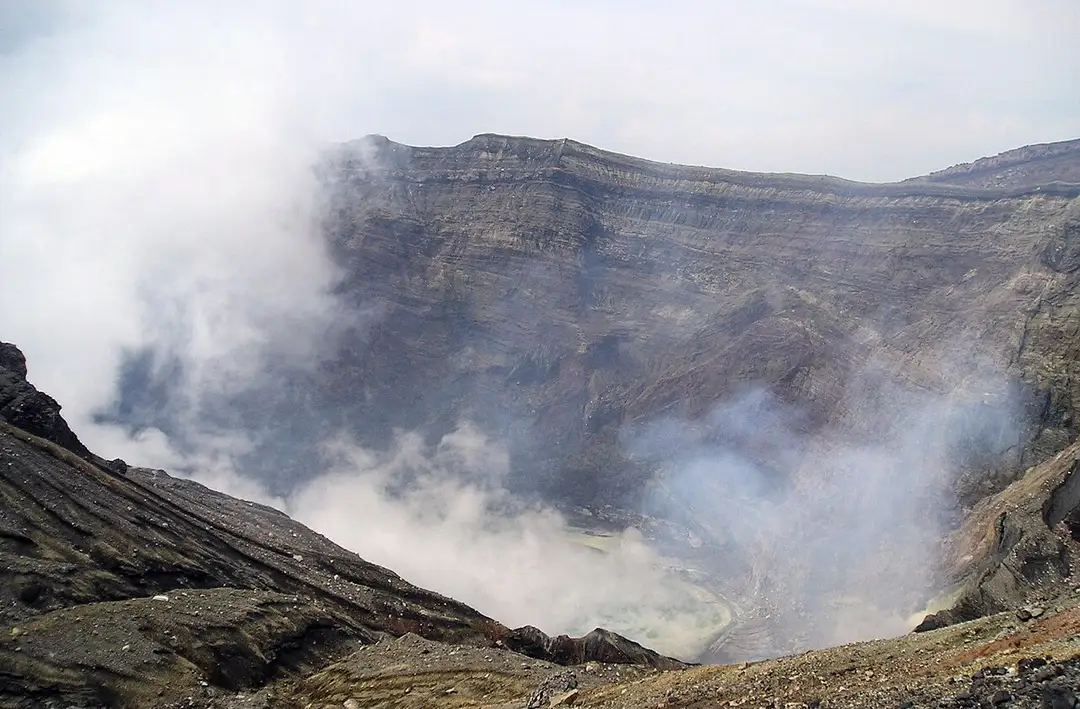
The steaming crater of Mount Aso, a layered volcanic caldera in central Kyushu
The warm volcanic southKyushu & Okinawa
  • Volcanoes & onsen
  • Steaming hells
  • Subtropical reefs
  • Mild winters
  • Fukuoka · Kagoshima · Naha

The south runs warm and elemental. Kyushu is volcano country — the steaming 'hells' of Beppu, the vast caldera of Aso, Sakurajima smoking across the bay from Kagoshima — strung along a tidy bullet-train line, with a deep hot-spring culture threaded in between. Further south again, Okinawa is another world: coral reefs, a subtropical sea, and the old Ryukyu kingdom's own food, music and gentler pace.

Honest note. The south is really two trips. Kyushu is rail-linked and easy; Okinawa has almost no train at all, so a rental car does the driving — and high summer brings heat and the odd typhoon. I'd take one warm region per trip and keep the other for next time.
Plan the south — Kyushu →

If you're set on doing both

The north
4–6 days
Tokyo, to change planes
hub
The south
4–6 days

North and south sit at the far ends of the country, so 'both' means flying, usually back through Tokyo in between — a longer, two-region trip. Most travellers happily take one per visit and keep the other for the next one. That's the WMJS way of it: fewer places, more fully.

Decide by your season

Coming in summer (roughly July–August)
I'd lean north. Hokkaido and Tohoku stay cool and green while the cities swelter, the lavender's out, and the great summer festivals are on. The south, by then, is hot.
Coming in the depths of winter
Either — for opposite reasons. The north for powder snow, drift ice and snow festivals; the south for the mild winters of the far end of the country. If snow is the dream, my winter plan carries the whole thread.
You're chasing beaches and reefs
That's Okinawa — Japan's subtropical sea. The milder shoulder months either side of high summer tend to be the calmer, clearer time. Here's the Okinawa plan.
You're drawn to volcanoes and hot springs
The south leans this way — Aso, Sakurajima and Beppu's hells — though the north keeps its own fine onsen valleys too.
Just adding a few days onto a Tokyo–Kyoto trip
Both ends are a short flight from Tokyo, so I'd let the season choose and simply fly, rather than give a day to the rails getting there.

Good to know — fares & times

Reaching the north
Direct flights from Tokyo reach Sapporo's New Chitose Airport in about 90 minutes; overland it is around eight hours by Shinkansen plus a transfer, so most travellers fly.
The bullet train to Sapporo
The Hokkaido Shinkansen currently ends at Shin-Hakodate-Hokuto in the south of the island; the roughly 212 km extension on to Sapporo is still under construction and is now expected to open around 2039.
Reaching the south
The Tokaido–Sanyo Shinkansen runs all the way through to Hakata in Fukuoka, but from Tokyo it is a long haul — far enough that many travellers fly to Kyushu instead. Check the official route search for current times.
Okinawa runs on cars, not rails
Okinawa has no Shinkansen — its only railway is the Yui Rail monorail in Naha (19 stations, about 17 km). Beyond the city the islands run on rental cars, and you arrive by air.

Sources